
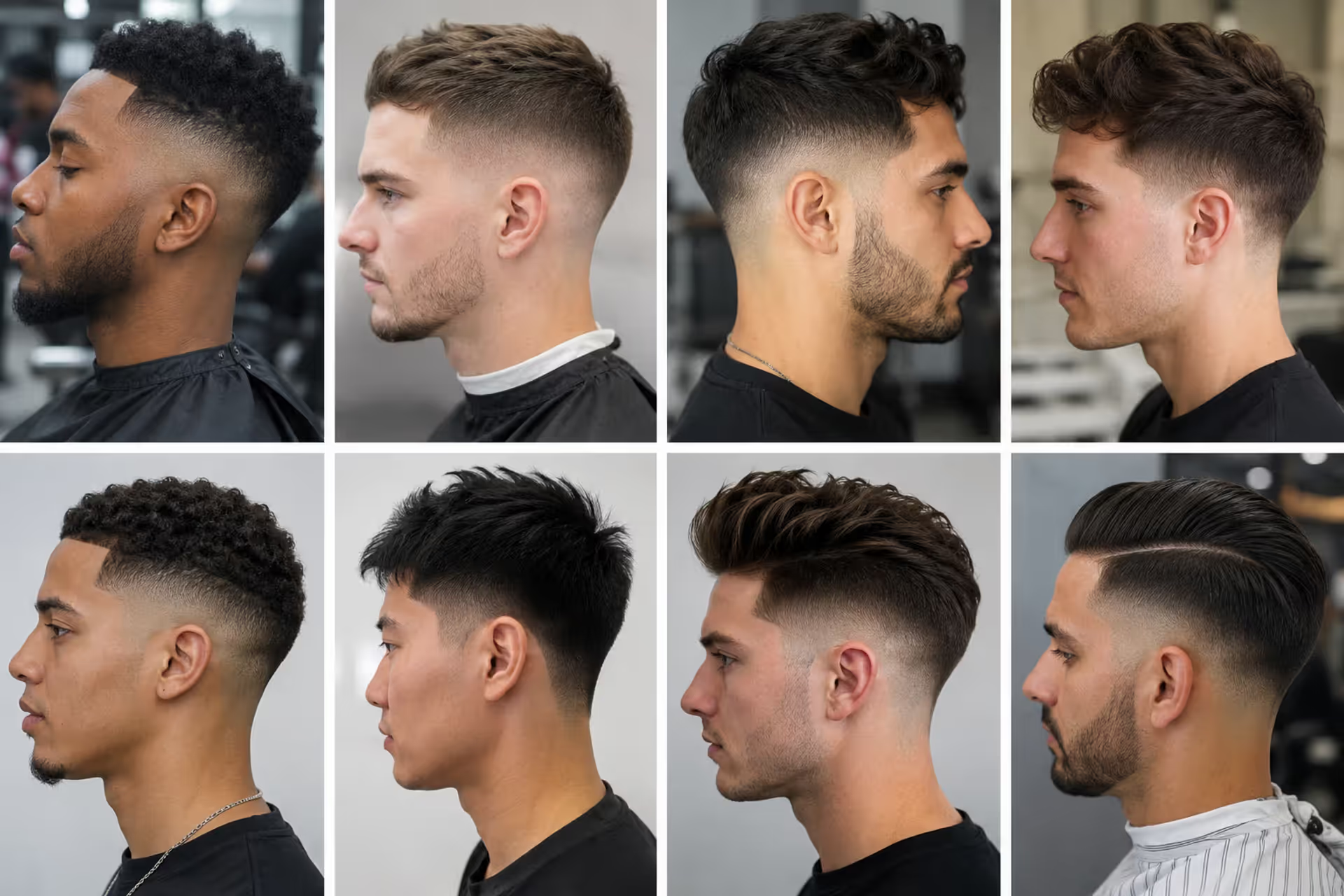
Different Types of Fades for Men Explained
Different Types of Fades for Men Explained

Knowing the different types of fades for men before you sit down in the barber's chair can save you from walking out with a cut that doesn't suit your face or your lifestyle. A lot of guys point at a photo and hope for the best. That approach works sometimes. But understanding what separates a low fade from a high fade, or a taper from a skin fade, gives you real control over the result. This guide breaks down every major fade style — where it sits, who it suits, and how to pick the right one.
What Makes a Fade Haircut Different from a Taper
These two terms get mixed up constantly. They're related, but they're not the same thing.
A fade cuts the hair down to the skin — or very close to it — at some point along the sides or back. The hair transitions from longer on top to virtually nothing at the baseline. It's a sharp, clean gradient that disappears into the skin.
A taper is more conservative. The hair gets shorter as it moves toward the neckline and temples, but it doesn't reach skin level. You still see hair throughout the sides — it just gets progressively shorter. Most traditional men's haircuts include some form of taper.
The taper fade sits in between: it uses the tapered length progression but pushes the gradient low enough to blend into the skin at the base. That's why you'll hear both terms used together so often.
One common mistake: assuming a taper and a fade are interchangeable when talking to your barber. Ask for a taper and you'll get a more blended, natural finish. Ask for a fade and you're getting a sharper, more defined gradient. Know which one you actually want before you say a word.
Low Fade vs High Fade Haircut Breakdown
The position of the fade on your head changes the entire look of the cut. This is probably the most searched comparison for a reason — the difference is significant.
Where Each Fade Sits on the Head
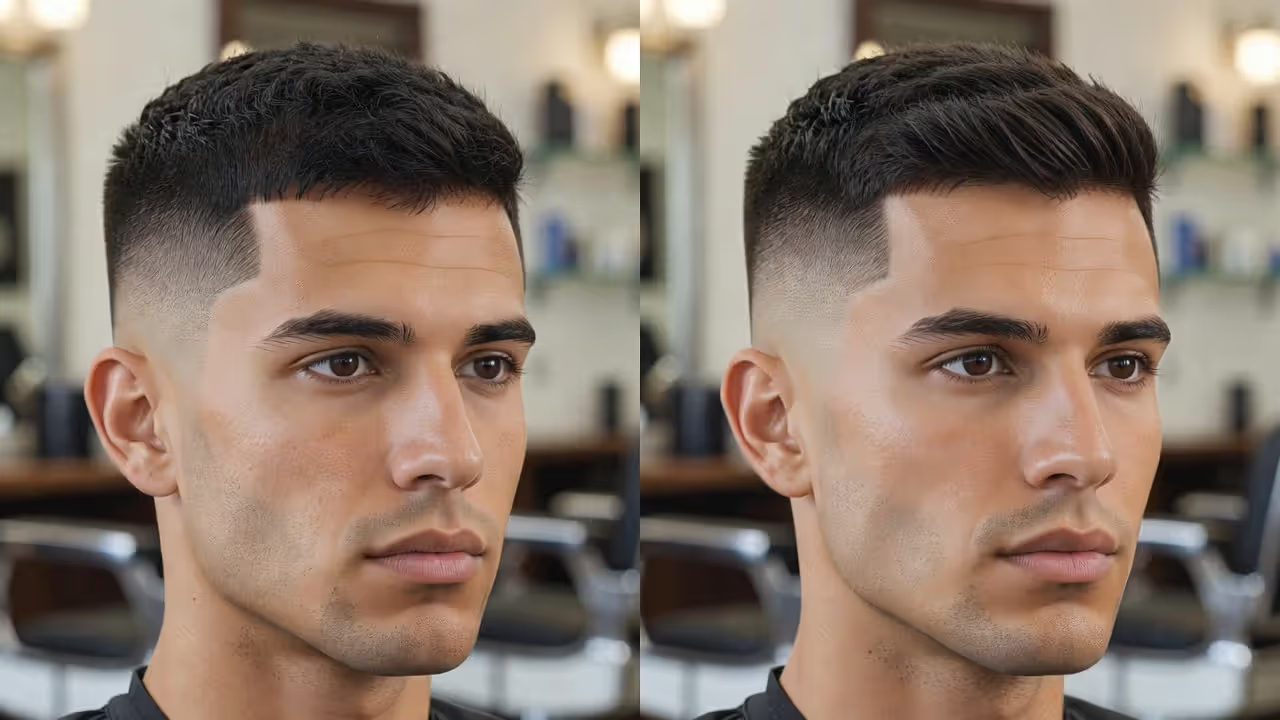
A low fade starts just above the ear and at the neckline. The skin-level point sits roughly one to two inches above the natural hairline. From there, the hair gradually increases in length as it moves up the sides. The transition is subtle. You get a clean baseline without a dramatic contrast between the top and sides.
A high fade is the opposite. It starts high — typically two to three inches above the ear, sometimes reaching the temple area. The gradient is more aggressive. There's a lot of contrast between the longer hair on top and the nearly-bare sides. Think of a high-top fade or a mohawk-adjacent style. Bold, sharp, and hard to miss.
Author: Vivienne Ashmore;
Source: juneoils.com
Which Face Shapes Suit Each Style
Low fades are more forgiving. They work across most face shapes because they don't dramatically alter the perceived width of the head. If you have a round face, a low fade keeps the sides from looking too bare, which can actually make a round face appear wider. Oval faces handle low fades well — almost any cut works on an oval face, honestly.
High fades suit longer or more angular face shapes better. The height and contrast draw the eye upward, adding visual length. If you have a square jaw or a rectangular face, a high fade can emphasize that structure in a way that looks intentional and sharp.
Avoid a high fade if you have a very narrow face or a long forehead. It'll exaggerate the length even more.
Mid Fade vs Low Fade Side by Side
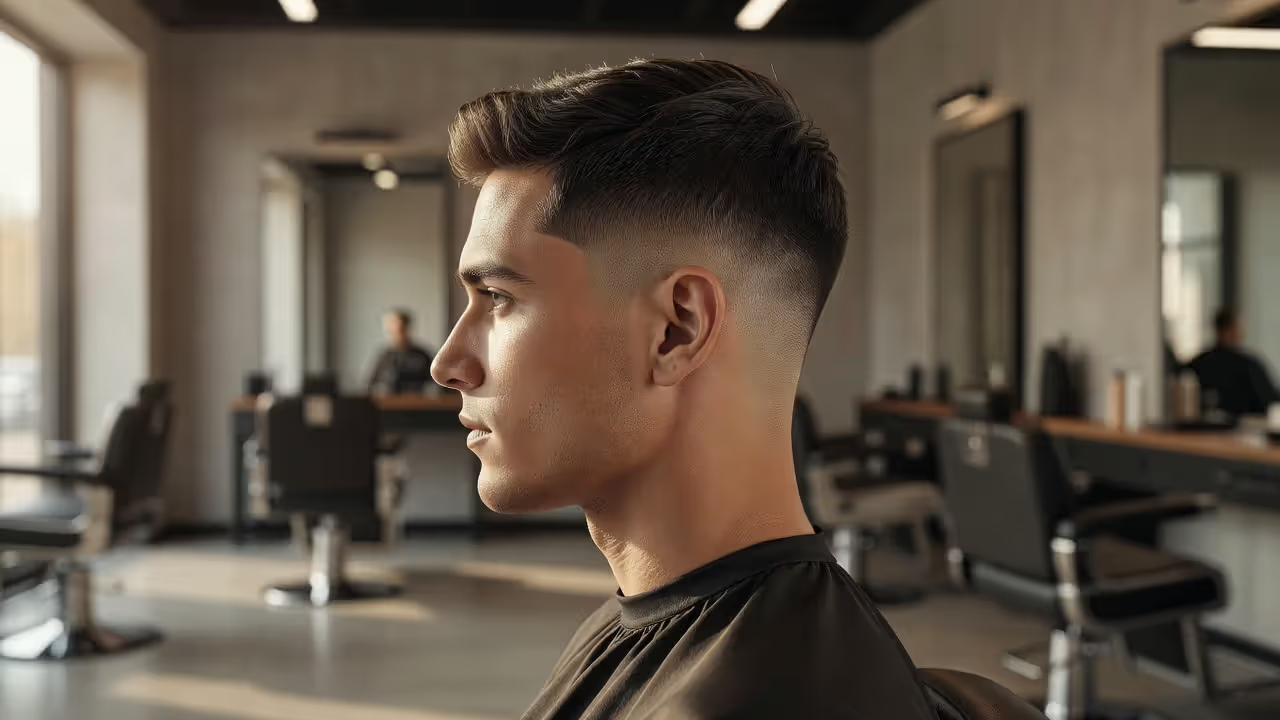
The mid fade sits between the low and high positions — roughly at the temple line, about two to three inches above the ear. It's become the most popular fade style for a reason: it balances contrast and wearability better than either extreme.
Compared to a low fade, the mid fade gives more visual separation between the top and sides. It reads as a more styled, deliberate cut. The low fade, by contrast, looks cleaner and more understated — it's the choice for professional settings or guys who want a cut that doesn't shout.
The pattern I see most often is that men who aren't sure what they want end up with a mid fade and are happy with it. It's versatile enough to pair with textured crops, pompadours, curly tops, or even longer slicked-back styles. It doesn't commit too hard in any direction.
One counterintuitive point: the mid fade actually requires more precision from the barber than a low fade. Because it sits in the middle of the head, any unevenness in the gradient is immediately visible. A low fade hides minor inconsistencies better near the baseline.
Author: Vivienne Ashmore;
Source: juneoils.com
Bald Fade Haircuts and Skin Fade Variations
Bald fade haircuts are the sharpest version of the fade. The hair goes all the way down to bare skin — zero guard, nothing. The gradient moves from the full length on top to completely bare skin at the sides and back. It's a high-maintenance look, but the contrast is striking.
A skin fade is essentially the same thing. In most barbershop conversations, "bald fade" and "skin fade" are used interchangeably. Some barbers make a slight distinction: a skin fade might use a razor or foil shaver to get even closer than a clipper zero, but the practical difference is minimal for most clients.
The gradient in a bald fade is what makes it technical. A skilled barber blends the clipper sizes — typically going from a 3 or 4 at the top of the sides, down through a 2, a 1, a 0.5, and finally a zero or open blade at the base. Done right, it looks seamless. Done wrong, you get visible lines or "steps" in the blend.
Bald fades suit darker hair on lighter skin most visibly — the contrast is highest. But they work on all skin tones and hair types. Men with coarse or very curly hair often prefer a bald fade because the tight texture at the top creates a natural visual break that looks intentional.
Maintenance is real with this style. Expect to be back in the chair every one to two weeks to keep it sharp.
Types of Taper Fades and How They Differ
The taper fade family includes several distinct variations. They all share the same core principle — hair shortens progressively toward the baseline — but the starting point and degree of skin exposure change the look considerably.
Low vs High Taper Compared
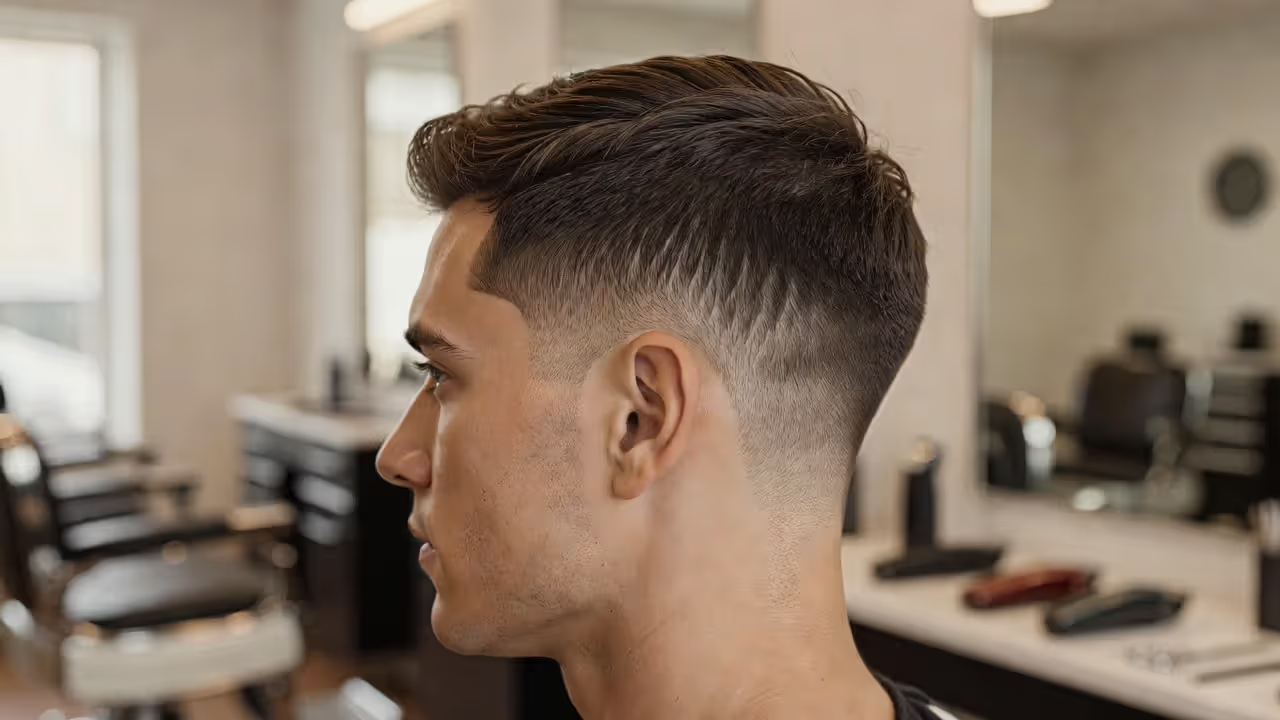
A low taper keeps most of the hair on the sides intact. Only the bottom inch or two tapers down toward the skin or near-skin level. It's the most conservative option. You'll see this on classic barbershop cuts, business-appropriate styles, and traditional side-part cuts.
A high taper starts the taper much higher — sometimes at or above the temples. More of the side hair is shortened or removed. The result is closer to a traditional fade in terms of contrast, but the transition is slightly less severe because the hair doesn't always reach zero.
The practical difference: a high taper is more dramatic and modern-looking. A low taper is subtle and traditional. Both work for professional environments, but the low taper is safer if you're in a conservative workplace.
When a Taper Works Better Than a Fade
If your hair is fine or thin, a full bald fade can make the sides look almost translucent — not always the effect you want. A taper preserves some density on the sides, which can actually make the overall cut look fuller.
Tapers also work better for men who want longer grow-out between cuts. A fade shows its age within a week. A taper can hold its shape for three to four weeks before it starts looking overgrown. Simpler upkeep, lower cost.
Author: Vivienne Ashmore;
Source: juneoils.com
How to Choose a Fade Haircut for Your Hair Type
Hair texture plays a bigger role in fade selection than most guys realize. It's not just about what looks good in a photo.
Thick or coarse hair holds a fade well. The density makes the gradient visible and defined. A mid fade or bald fade on thick hair looks intentional and clean. The main challenge is that thick hair grows faster, so you'll need more frequent cuts.
Curly hair — especially tight coils — pairs naturally with a bald fade or skin fade. The contrast between the curly top and bare sides is part of the aesthetic. Men with type 4 hair often use this combination as the foundation for styles like a high-top or a defined curl sponge look.
Fine or thin hair needs more care. A low fade or low taper preserves side density and avoids making the hair look sparse. Avoid high fades if your hair is very fine — the transition from nearly nothing to thin hair on top can look uneven.
Wavy hair is flexible. A mid fade works well here because wavy texture on top creates natural volume that balances the shorter sides without needing a dramatic contrast.
Lifestyle matters too. If you train daily, sweat regularly, or work outdoors, a lower-maintenance cut like a low taper or mid fade will hold up better between appointments than a bald fade that needs weekly touch-ups.
Questions to Ask Your Barber Before Getting a Fade
Walking in with a photo is a good start. But knowing what to say takes it further.
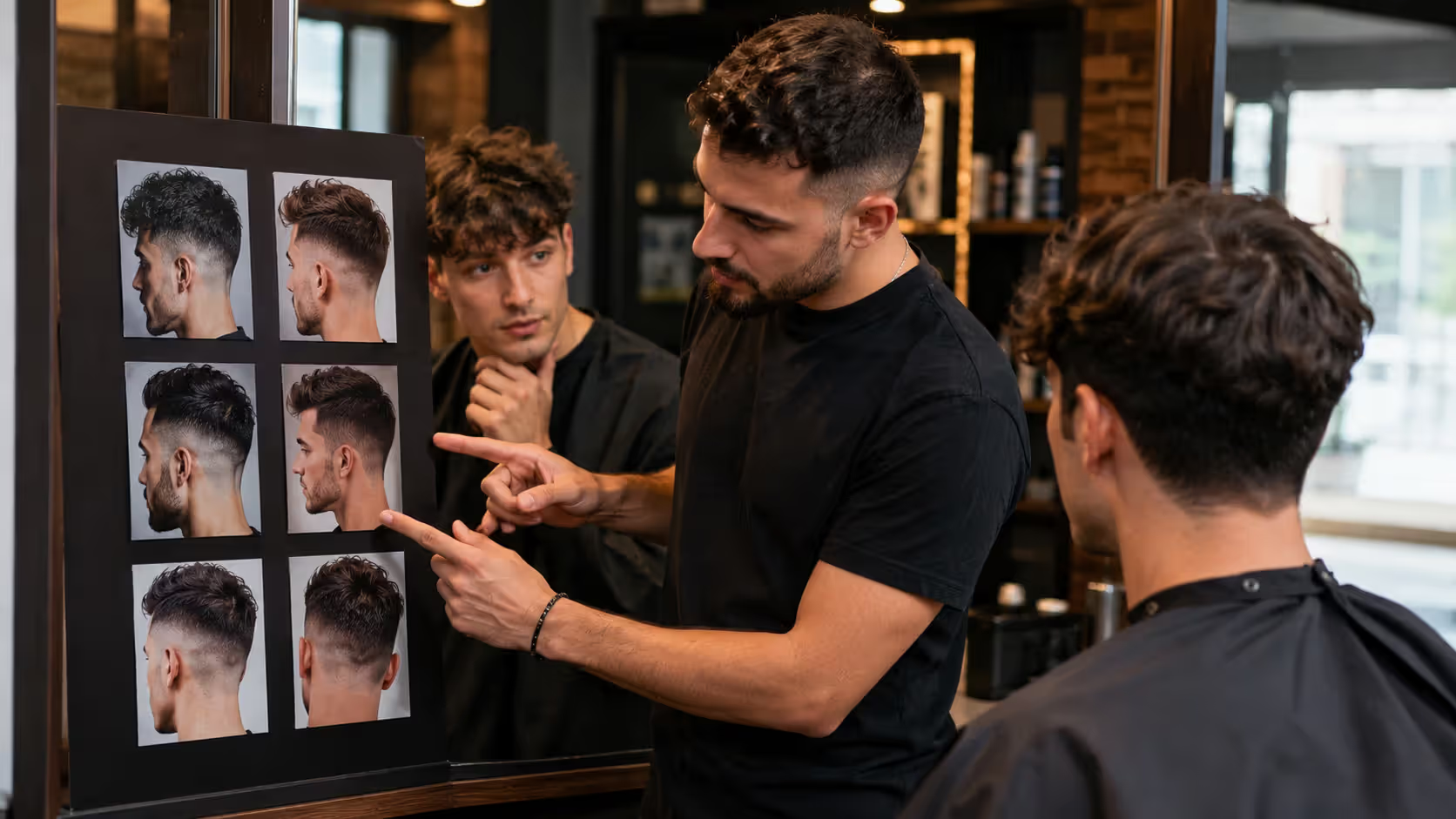
Start with the position: "I want a low, mid, or high fade." That one sentence immediately tells your barber where the gradient should start. Without it, they'll make a judgment call — and it might not match what you had in mind.
Ask about the blend. Say: "Can you blend it down to skin, or leave a little hair at the base?" This is the difference between a bald fade and a standard fade. Not every barber defaults to zero unless you ask.
Author: Vivienne Ashmore;
Source: juneoils.com
Mention your maintenance habits. If you can only come in every four to six weeks, say that. A skilled barber will adjust the starting point slightly to give the cut more grow-out room before it looks unkempt.
Ask about the top separately. The fade is only half the cut. Be specific about what you want on top — length, texture, part placement. A lot of miscommunications happen because the client described the sides perfectly but left the top vague.
One more thing: don't be afraid to ask the barber what they'd recommend for your face shape. A good barber will tell you honestly. That input is free expertise — use it.
Fade Haircut Types Compared
| Fade Type | Starting Point on Head | Gradient Length | Best Face Shape Match | Maintenance Frequency | Skill Level Required |
| Low Fade | Just above the ear / neckline | Short (1–2 inches) | Most face shapes, especially round | Every 3–4 weeks | Intermediate |
| Mid Fade | Temple line, ~2–3 inches above ear | Medium (2–3 inches) | Oval, square, heart | Every 2–3 weeks | Intermediate–Advanced |
| High Fade | At or above the temples | Long (3+ inches) | Oblong, rectangular, square | Every 1–2 weeks | Advanced |
| Bald / Skin Fade | Varies (low, mid, or high) | Full to zero | All, especially square and oval | Every 1–2 weeks | Advanced |
| Low Taper | Just at the neckline and temples | Very short (under 1 inch) | All, especially narrow or fine-haired | Every 4–6 weeks | Beginner–Intermediate |
| High Taper | At or above the temples | Medium-long | Oval, rectangular | Every 3–4 weeks | Intermediate |
The fade you choose should frame your face, not fight it. A guy with a round face who asks for a high skin fade is working against his own bone structure. My job is to give them what looks right, not just what they saw on Instagram.
— Capizzano John
FAQ: Fade Haircut Questions Answered
Getting the right fade comes down to knowing your face, your hair, and your schedule. Pick the position that suits your proportions, be honest about how much upkeep you'll actually do, and give your barber specific language instead of a vague request. The difference between a cut you love and one you're just tolerating is usually about thirty seconds of clear communication before the clippers start.
Related Stories

Read more
Read more


The content on this website is provided for general informational and educational purposes only. It is intended to explain concepts related to cosmetology, hair care, skincare, aesthetic treatments, and beauty procedures.
All information on this website, including articles, guides, and examples, is presented for general educational purposes. Results may vary depending on individual skin type, hair type, or treatment protocols.
This website does not provide professional medical, dermatological, or cosmetic services, and the information presented should not be used as a substitute for consultation with licensed aestheticians, dermatologists, or medical professionals.
The website and its authors are not responsible for any errors or omissions, or for any outcomes resulting from decisions made based on the information provided on this website.