
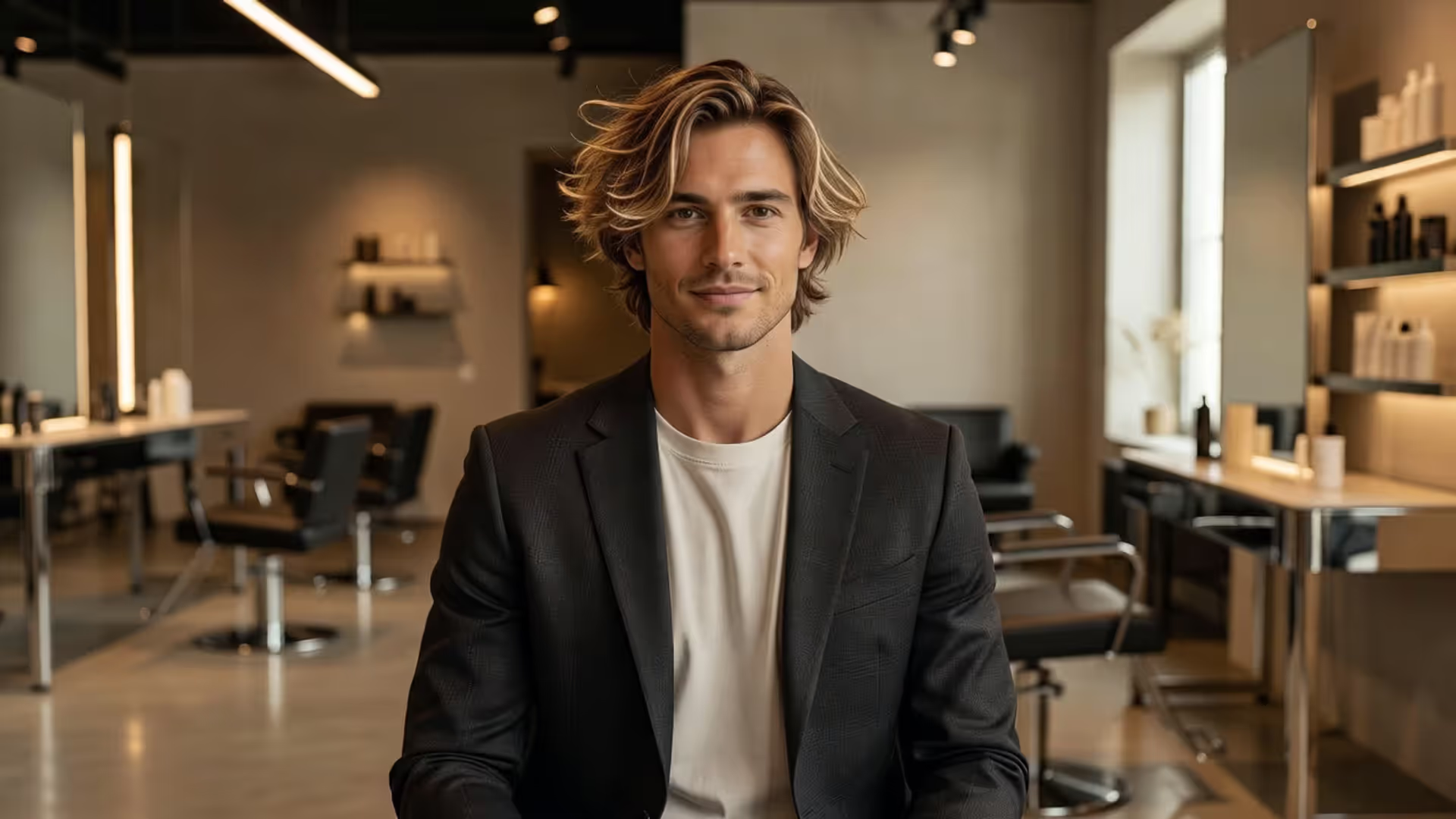
Mens Balayage Guide for Natural-Looking Hair Color
Mens Balayage Guide

Hair color for men has come a long way from box dye and frosted tips. If you've been noticing guys walking around with naturally sun-kissed hair that looks effortless — not overdone — there's a good chance that's balayage at work. The technique has quietly become one of the most requested color services for men in US salons, and for good reason. It delivers subtle dimension without the harsh lines or high-maintenance schedule that other methods demand.
What Is Mens Balayage and How Does It Differ from Traditional Color
Balayage is a French freehand coloring technique where a stylist paints lightener or color directly onto the hair surface without foils. The word itself translates roughly to "sweeping," which describes exactly how the product is applied — swept onto sections in a way that mimics how the sun would naturally lighten hair over time.
Traditional hair color — whether all-over tint or foil highlights — works differently. Foils isolate strands and process them uniformly from root to tip. That creates a more precise, consistent result. But it also creates a visible regrowth line as your hair grows out, which means you're back in the salon chair every six to eight weeks.
Mens balayage sidesteps that problem entirely. Because color is applied mid-shaft to ends with a gradual fade toward the root, the grow-out is soft and natural-looking. Most men can go three to five months between appointments without the color looking obviously grown out. That's a major selling point for guys who don't want a high-maintenance routine.
The technique has grown popular among men because it works with your natural hair rather than against it. There's no dramatic transformation here — it's about adding depth and movement. Hair color techniques for guys have shifted toward subtlety, and balayage fits that direction perfectly.
Balayage vs Highlights for Men
This is the comparison most men are actually trying to figure out before booking an appointment. Both techniques lighten the hair, but the results look and behave very differently.
| Criteria | Balayage | Traditional Highlights |
| Placement method | Freehand painted onto surface | Foil-wrapped sections |
| Finish appearance | Soft, blended, sun-kissed | More defined, uniform streaks |
| Grow-out visibility | Low — gradual fade from root | High — visible regrowth line |
| Average touch-up frequency | Every 3–5 months | Every 6–8 weeks |
| Typical cost range | $100–$250+ | $80–$200+ |
| Best suited hair length | Medium to long; possible on short | Works across most lengths |
The simpler option usually wins here for men who want low-effort upkeep. Balayage's grow-out behavior alone makes it the more practical choice for most lifestyles.
Which Technique Works Better for Short Hair
Short hair — think a textured crop, tapered cut, or anything under two inches on top — is tricky for balayage. There simply isn't enough length to create the gradient effect the technique relies on. A skilled stylist can work with it, but the result tends to be subtle to the point of barely visible.
Traditional highlights, or a technique called "baby lights," often work better on shorter cuts. Baby lights use very fine foil sections to create a softer, more scattered lightening effect. It reads less structured than classic highlights and can mimic the look of balayage on shorter lengths.
Which Technique Works Better for Medium and Long Hair
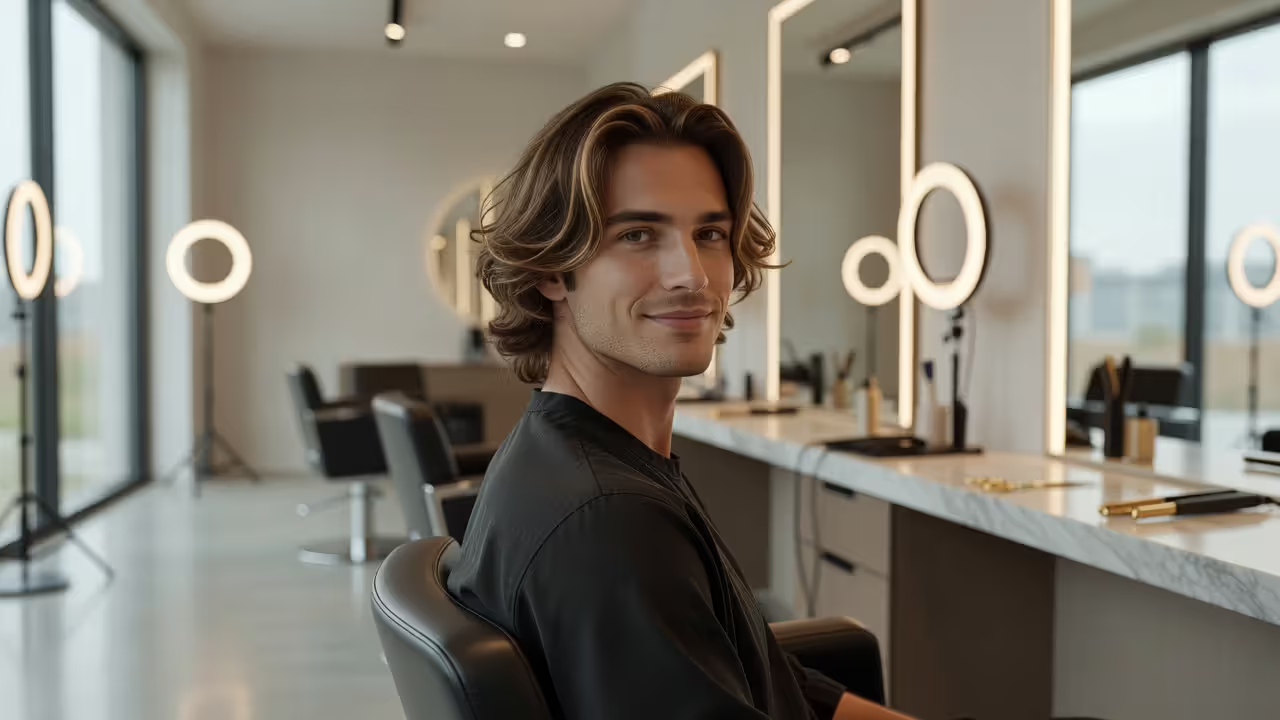
Medium and longer hair — anything from a few inches on top to shoulder length — is where balayage genuinely shines. The stylist has room to create a real gradient, painting color from mid-shaft down and leaving the roots darker. The result is dimensional and natural.
Curly or wavy hair at medium length benefits especially well. The color catches on the curves of each wave, creating contrast that looks completely organic. Straight hair at medium length works too, though the effect is slightly more visible since there's less texture to diffuse the color.
Author: Colton Everly;
Source: juneoils.com
Hair Types and Styles That Work Best with Balayage
Not every hair type responds to balayage the same way. The technique is flexible, but knowing where it excels helps you set realistic expectations.
Dark brown and medium brown base colors are the sweet spot. The contrast between your natural color and the lightened sections creates dimension without looking jarring. Going too light on a very dark base in a single session can cause brassiness — more on that in the process section.
Natural blondes and light brown hair can still benefit from balayage, though the contrast is softer. The result looks more like a tonal refresh than a dramatic color change. Some men with light hair use balayage to add warmth or cool tones rather than lightness.
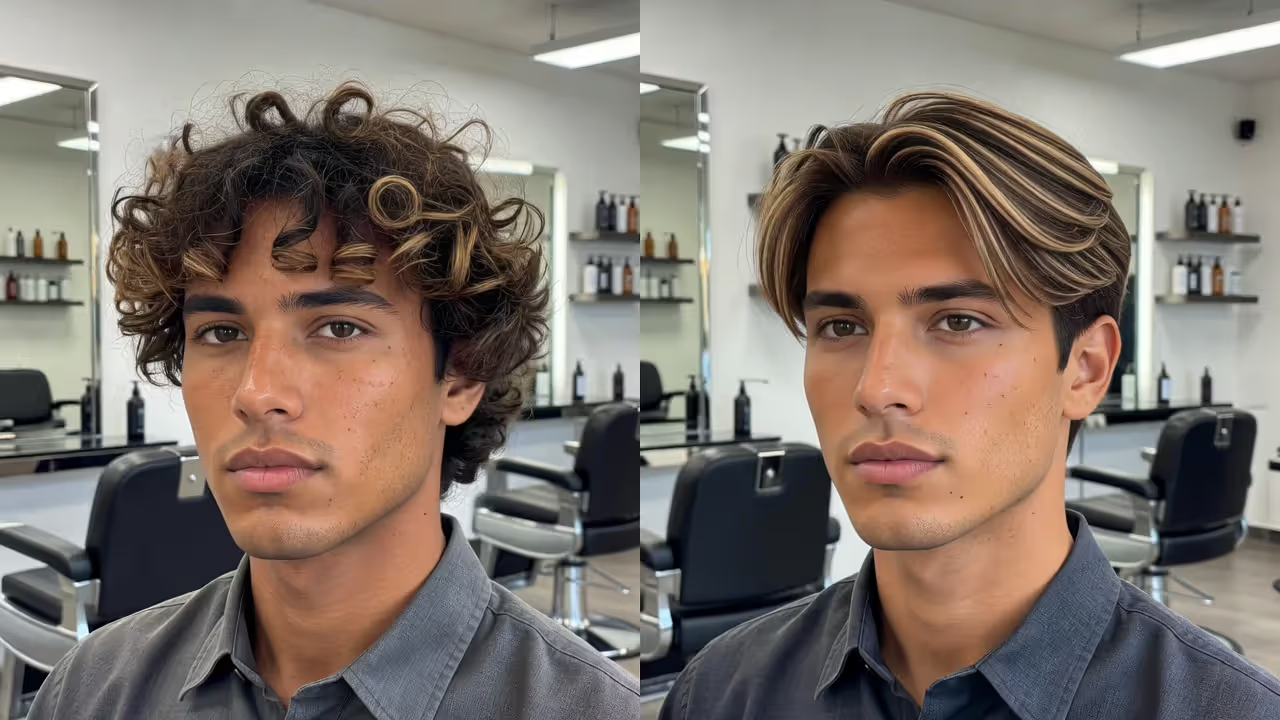
Curly, coily, and wavy hair textures are arguably the best candidates for subtle hair color for men through balayage. The natural movement of the hair blends the color transitions beautifully. Straight hair works fine, but it requires more precise placement to avoid obvious stripes.
Author: Colton Everly;
Source: juneoils.com
Popular cuts that pair well with the technique include the textured quiff, the modern mullet, the shag cut, and longer surfer-style cuts. Cuts with movement and layering naturally complement the way balayage distributes color. A blunt, very uniform cut can make the color look more deliberate — not necessarily bad, just a different effect.
The pattern I see most often is men with medium-length layered cuts getting the best results. The layers catch color in a way that looks genuinely effortless.
How to Do Balayage for Men Step by Step
The process isn't something you should attempt at home. Freehand painting sounds simple, but the technique requires an understanding of hair structure, porosity, and how lightener processes at different speeds. A botched DIY attempt can mean uneven color, orange brassiness, or damage that takes months to correct.
Balayage on men is all about restraint — the goal is dimension, not drama.
— Lordet Guy
That mindset should guide your entire consultation and appointment. Here's what to expect.
What to Tell Your Stylist Before the Appointment
Come in with reference photos. Not to copy someone else's hair exactly, but to communicate the level of contrast and warmth you want. Words like "subtle" or "natural" mean different things to different stylists. A photo eliminates ambiguity.
Tell your stylist your hair history — any previous color, chemical treatments, or heat damage. This affects how the hair will lift and process. Also mention your maintenance tolerance honestly. If you're not coming back for five months, your stylist needs to know that upfront so they can plan placement that grows out gracefully.
The Coloring and Toning Process Explained
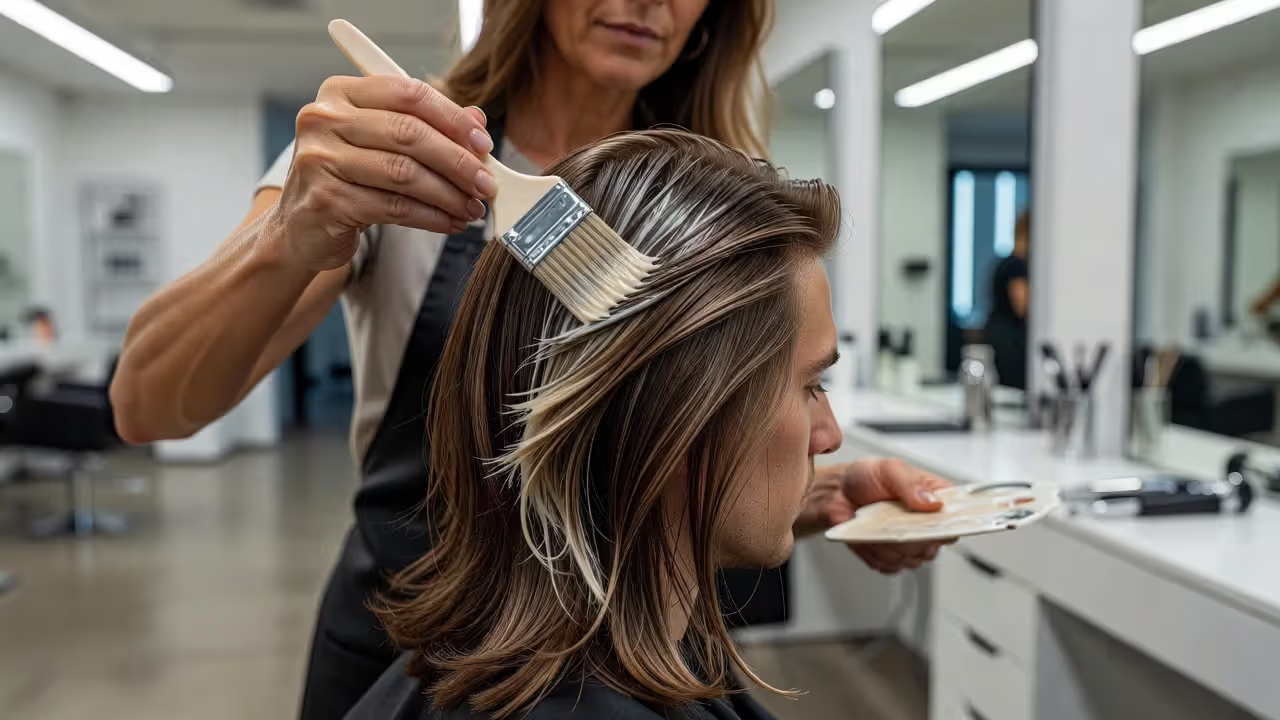
The stylist will section your dry hair and begin painting lightener onto selected sections using a balayage board or paddle. They'll work in a sweeping motion, concentrating product toward the ends and feathering it upward. The roots are intentionally left untouched or barely kissed with color.
Processing time typically runs 20 to 45 minutes depending on your base color and the level of lift needed. After rinsing, most stylists apply a toner. This step is not optional — it neutralizes brassiness and shifts the color toward the desired tone, whether that's ashy, beachy blonde, or warm caramel. The whole appointment usually takes 90 minutes to two and a half hours.
A common mistake: men skipping the toner because they think it's an upsell. It's not. Without toner, the lifted sections often look orange or yellow rather than the clean, natural tone you were aiming for.
Author: Colton Everly;
Source: juneoils.com
Keeping the Color Looking Fresh with Low Maintenance Upkeep
One of the biggest draws of balayage as a low maintenance hair color for men is how little it demands between appointments. But "low maintenance" doesn't mean zero maintenance.
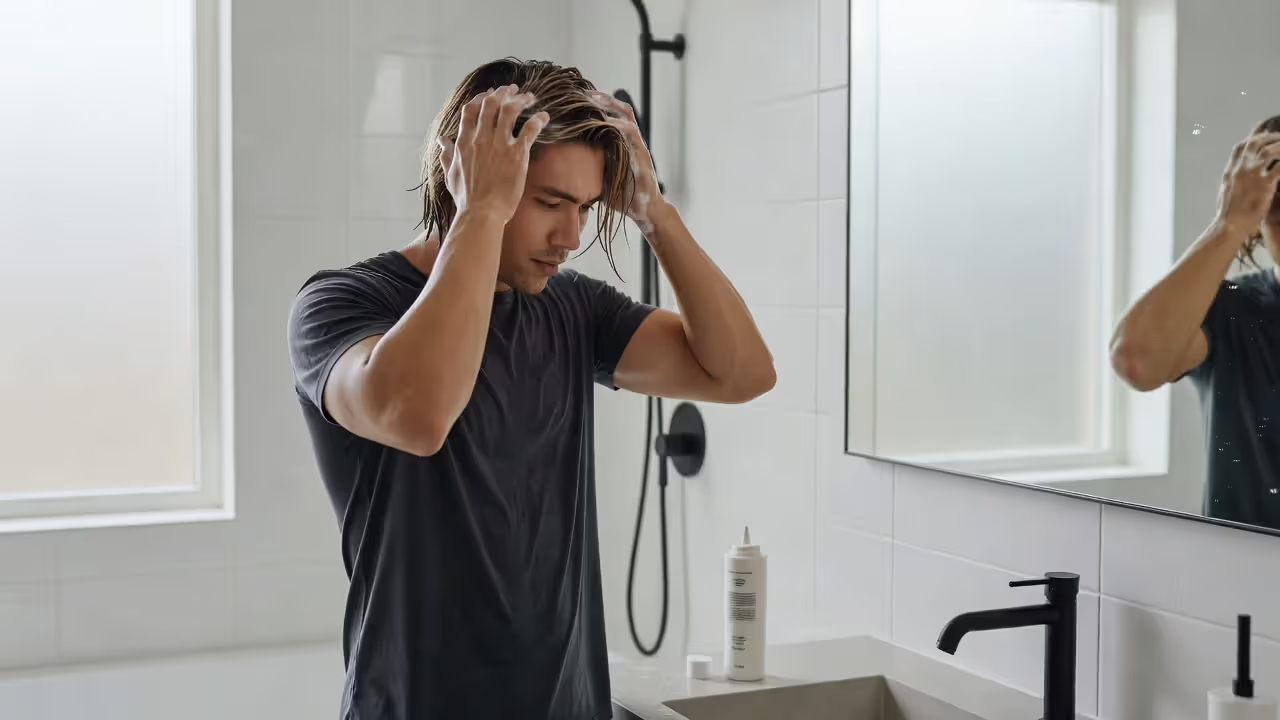
Use a sulfate-free shampoo. Sulfates strip color faster, which means your toner fades quicker and the warm brassy tones come back sooner. A color-safe shampoo used two to three times a week is enough for most guys.
A purple or blue toning shampoo once a week helps if your hair is on the lighter side. These deposit small amounts of cool pigment to counteract brassiness. Don't overuse them — twice a week max, or your hair can start looking dull or grayish.
Deep conditioning matters more after color. Lightener opens the hair cuticle, which can leave strands more porous and prone to dryness. A weekly conditioning mask keeps the hair looking healthy and the color appearing vibrant.
Touch-ups for balayage typically fall every 12 to 20 weeks. Some men stretch it to six months without any issue. Compare that to foil highlights, which usually need refreshing every six to eight weeks, and the time and cost savings add up significantly.
Author: Colton Everly;
Source: juneoils.com
Cost Factors for Mens Balayage in the US
Pricing varies widely depending on where you live and where you go. A mid-tier salon in the Midwest might charge $100 to $150 for a full balayage service on medium-length hair. The same service at a high-end salon in New York City or Los Angeles can run $250 to $400 or more.
Hair length plays a role too. Short hair uses less product and takes less time, so it's typically priced lower — sometimes starting around $80 to $100. Medium to long hair requires more lightener, more time, and often more toning product, pushing the price up.
Toner is sometimes included in the base price and sometimes charged separately — usually $30 to $60 extra. Ask before you book. A stylist who specializes in men's color or has a strong balayage portfolio may also charge a premium, but the results tend to justify it.
As a rough benchmark for 2026, expect to budget $120 to $200 for a quality balayage service at a reputable US salon for medium-length hair, not including tip. Tipping 18 to 20 percent is standard for color services.
FAQ: Mens Balayage Questions Answered
If you've been on the fence about trying hair color, balayage is genuinely one of the lowest-risk entry points. It's subtle enough that most people won't even realize you've had color done — they'll just think your hair looks good. And that's exactly the point.
Related Stories
Read more
Read more


The content on this website is provided for general informational and educational purposes only. It is intended to explain concepts related to cosmetology, hair care, skincare, aesthetic treatments, and beauty procedures.
All information on this website, including articles, guides, and examples, is presented for general educational purposes. Results may vary depending on individual skin type, hair type, or treatment protocols.
This website does not provide professional medical, dermatological, or cosmetic services, and the information presented should not be used as a substitute for consultation with licensed aestheticians, dermatologists, or medical professionals.
The website and its authors are not responsible for any errors or omissions, or for any outcomes resulting from decisions made based on the information provided on this website.