

How to Style Short Wavy Hair Men Actually Like Wearing
How to Style Short Wavy Hair Men Actually Like Wearing?

Wavy hair doesn't behave. That's the honest truth. It shrinks when it dries, puffs in humidity, and falls flat when you cut it wrong. But here's the thing — when you work with the wave instead of against it, short wavy hair on men can look genuinely sharp. The key is understanding what your hair is actually doing and making decisions around that, not around what works for your straight-haired friend.
What Makes Wavy Hair Different from Straight Hair in Men
Straight hair grows and falls in a single plane. Wavy hair doesn't. It curves at the follicle level, which means each strand exits the scalp at an angle and bends as it grows. That structural difference changes everything — how the hair sits, how much volume it creates, and how it responds to cutting and product.
Short straight hair men typically deal with hair lying flat and predictably. Short wavy hair men deal with hair that has memory. It wants to curl a certain way. Cut it against that pattern and it'll fight you every morning.
The other big difference is shrinkage. A wave pattern can make hair appear 20–30% shorter once it dries. If you're used to straight hair, that's a surprise you don't want to discover after a haircut.
Wave Types Men Should Know Before Choosing a Cut
Hair texture in men with waves generally falls into three categories: loose waves (Type 2A), medium waves (Type 2B), and tighter waves that border on curly (Type 2C). The looser the wave, the more flexibility you have with shorter cuts. The tighter the wave, the more you need to account for shrinkage and volume.
Type 2A waves are subtle. They add movement without much volume. These guys can usually pull off very short cuts without much drama.
Type 2B and 2C waves are where things get interesting. They add real body and texture — which looks great, but only if the cut is designed for it. A blunt cut on tight waves creates a triangle shape. That's not the goal.
Short Haircuts for Wavy Hair Men Should Consider
There are a handful of cuts that consistently work well for wavy texture. The pattern I see most often is men defaulting to a basic short back and sides, which can look fine — but leaves a lot of potential on the table.

Author: Vivienne Ashmore;
Source: juneoils.com
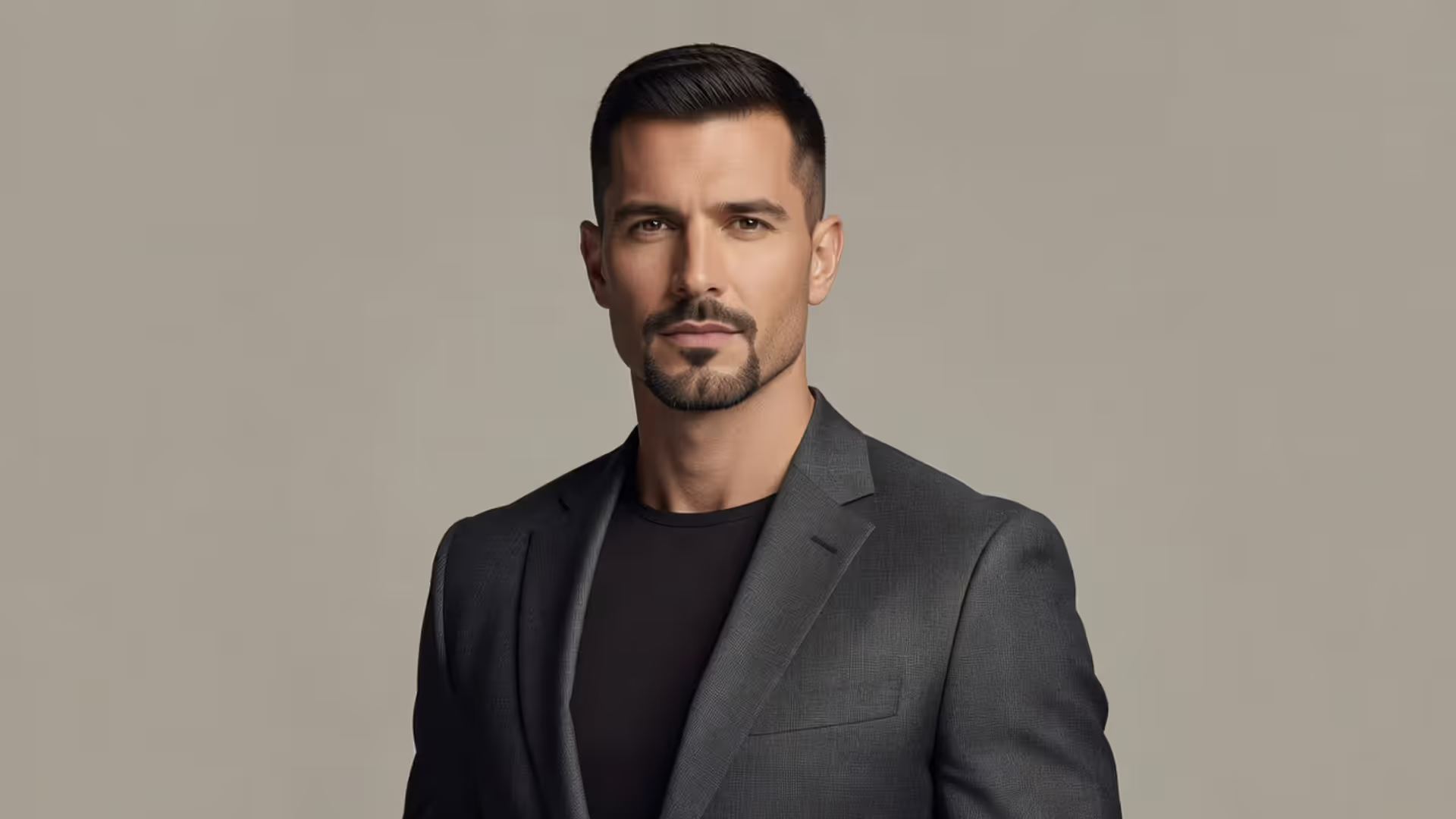
The textured crop is probably the best all-around option for short wavy hair men. The top is cut with point-cutting or razor techniques to remove bulk while keeping movement. The sides are usually faded or tapered short, which balances the texture on top.
The disconnected undercut works well for guys with stronger wave patterns. The contrast between the longer, wavy top and the closely clipped sides makes the wave the focal point. It reads as intentional rather than unmanaged.
The taper fade with texture is a cleaner, more versatile version. You get the wave working on top, but the gradual fade keeps things sharp around the ears and neck. Works in an office or a bar.
The French crop — sometimes called a textured fringe — keeps the top short but lets the wave push the fringe forward naturally. Low maintenance. Looks effortless.
Cuts That Work for Thick Wavy Hair vs. Fine Wavy Hair
Thick wavy hair needs weight removal. Without it, the hair puffs outward instead of falling with shape. Ask your barber for point-cutting or slide-cutting through the bulk, not just a length trim.
Fine wavy hair is the opposite situation. You want to keep enough length so the wave can form. Cut fine wavy hair too short and the wave disappears entirely — you're left with something that just looks messy. Keeping the top at 2–3 inches typically gives fine waves enough room to do their thing.
Here's a comparison of the most popular short cuts for wavy-haired men:
| Haircut Name | Best Wave Type | Works for Thick Hair | Styling Difficulty | Recommended Product Type |
| Textured Crop | 2A–2B | Yes | Low | Light pomade or sea salt spray |
| Disconnected Undercut | 2B–2C | Yes | Medium | Medium-hold cream |
| Taper Fade with Texture | 2A–2B | Yes | Low | Matte clay |
| French Crop | 2A–2B | No (fine hair preferred) | Low | Light styling paste |
| Wavy Quiff | 2B–2C | Yes | High | Strong hold mousse or gel |
| Ivy League (Side Part) | 2A | No | Medium | Light pomade |
How Wavy Hair Compares to Straight Hair When Cut Short
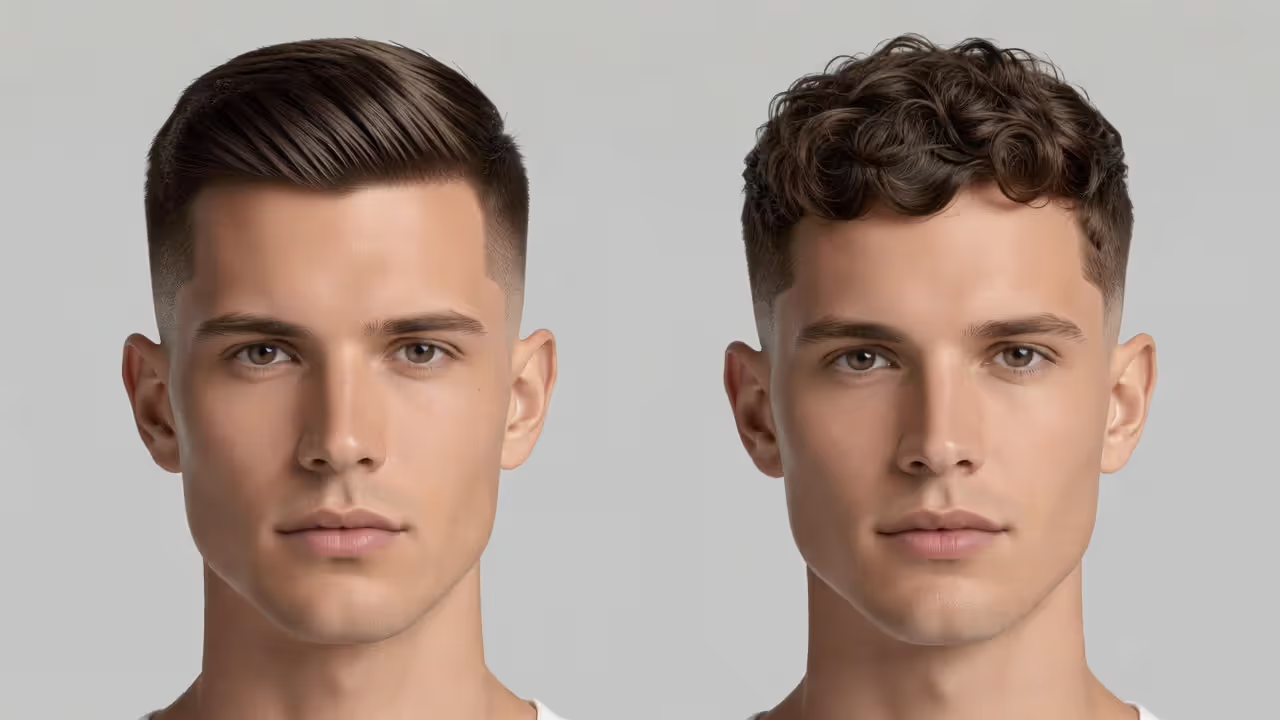
Same haircut. Completely different result. That's the reality when you compare short wavy hair men to short straight hair men side by side.
Take a classic taper fade. On straight hair, it looks clean and structured — every strand sits where it's placed. On wavy hair, the same cut picks up volume on top, the wave creates natural movement, and the overall look has more personality with zero extra effort.
But there's a flip side. Wavy hair can look unintentional if it's not cut right. Straight hair forgives a mediocre cut more easily. Wavy hair magnifies both good and bad decisions.
Author: Vivienne Ashmore;
Source: juneoils.com
The shrinkage point matters here too. A man with straight hair who asks for two inches off gets two inches off. A man with wavy hair who asks for two inches off might lose three inches of visual length once the hair dries and the wave sets. Always communicate this with your barber before the scissors come out.
Step-by-Step Guide to Styling Short Wavy Hair at Home
Getting the cut right is half the job. The other half is the daily routine. Here's what actually works for styling short wavy hair at home.
Step 1: Don't towel-dry aggressively. Rough towel drying breaks up the wave pattern and creates frizz. Use a microfiber towel or an old t-shirt and scrunch gently. This preserves the wave clumping, which is what gives you definition.
Step 2: Apply product to damp hair. Not soaking wet, not fully dry. Damp is the sweet spot. Work a small amount of product through the hair using a scrunching motion from the ends up.
Step 3: Let it air dry or use a diffuser. Air drying works fine if you've got time. A diffuser attachment on a blow dryer speeds things up without destroying the wave. Keep the heat on medium, hold the diffuser at the roots, and don't touch the hair while it dries.
Step 4: Finish with a light touch. Once dry, you can break the cast (if you used a gel) by scrunching lightly. Don't brush. Don't comb. Just separate with your fingers if needed.
Which Products Work Best for Short Wavy Texture
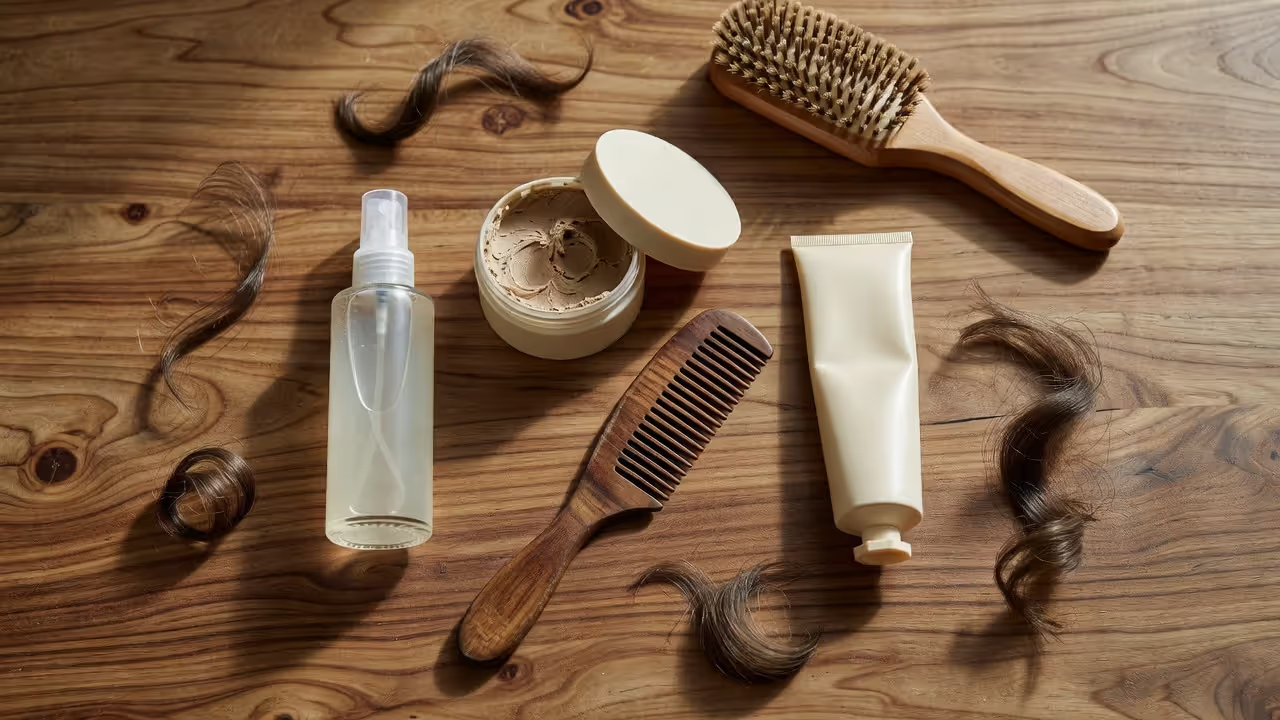
For textured short hairstyles for men with waves, product choice matters more than most guys realize. The wrong product either weighs the wave down or makes it crunchy.
Sea salt spray adds texture and enhances the wave pattern without weight — great for casual, beachy looks. A light curl cream defines the wave and controls frizz without stiffness. Matte clay gives hold and texture for more structured styles. Avoid heavy waxes and thick pomades; they flatten the wave and leave buildup.
Author: Vivienne Ashmore;
Source: juneoils.com
Short Cuts for Thick Hair Men with Waves
Thick wavy hair is genuinely one of the more challenging combinations to manage short. The volume is there — sometimes too much of it. And the wave adds more. Without the right cut, you end up with a shape that looks more like a helmet than a hairstyle.
The fix is in the technique, not just the length. When you go to a barber, use specific language. Ask for "weight removal through the interior" rather than just a shorter cut. Point-cutting, channel cutting, and razor texturizing are all techniques that thin the bulk without shortening the overall style.
Short cuts for thick hair men with waves work best when the sides are kept tighter — a low or mid fade usually does the job — while the top retains enough length for the wave to move. Around 2–3 inches on top is typically the right range.
When a client comes in with wavy hair, I always cut it dry first. Water stretches the wave out and you lose all the information about how the hair actually behaves. If you cut it wet, you're guessing. Dry cutting lets the wave tell you where the weight needs to come out.
— Capizzano Mark
Don't make the mistake of going too short trying to "control" the thickness. Cutting thick wavy hair very short — say, under an inch on top — often makes the hair stand up rather than wave, and you lose the texture that made the style interesting.
Common Styling Mistakes Men Make with Short Wavy Hair
The biggest mistake? Brushing. Brushing wavy hair separates the wave clumps and turns texture into frizz. Use your fingers or a wide-tooth comb on wet hair only. Once it's dry, hands only.
Second most common: using the wrong product. Heavy pomades, thick waxes, and anything with a lot of oil will weigh the wave down and make short wavy hair look greasy and flat. Lighter products — creams, sprays, light clays — preserve the texture.
Cutting too short is a real trap for guys new to wavy hair. They see the volume and think shorter will fix it. It usually doesn't. Shorter often means more volume in the wrong places, especially with thick wavy hair.
And then there's fighting the wave entirely. Some guys spend 15 minutes every morning trying to straighten short wavy hair with a flat iron. It's a losing battle with short hair — the wave comes back fast. Working with the natural pattern is almost always the better call, and honestly, it looks better too.
FAQ: Short Wavy Hair Men Questions Answered
Short wavy hair rewards guys who understand it. Once you know your wave type, find a barber who cuts dry, and build a simple product routine around lighter formulas, the whole thing becomes low-effort and high-result. It's not about taming the wave — it's about letting it do the work for you.
Related Stories

Read more
Read more


The content on this website is provided for general informational and educational purposes only. It is intended to explain concepts related to cosmetology, hair care, skincare, aesthetic treatments, and beauty procedures.
All information on this website, including articles, guides, and examples, is presented for general educational purposes. Results may vary depending on individual skin type, hair type, or treatment protocols.
This website does not provide professional medical, dermatological, or cosmetic services, and the information presented should not be used as a substitute for consultation with licensed aestheticians, dermatologists, or medical professionals.
The website and its authors are not responsible for any errors or omissions, or for any outcomes resulting from decisions made based on the information provided on this website.