
Perm Haircut Men Guide to Styles, Results and Upkeep
Perm Haircut Men Guide

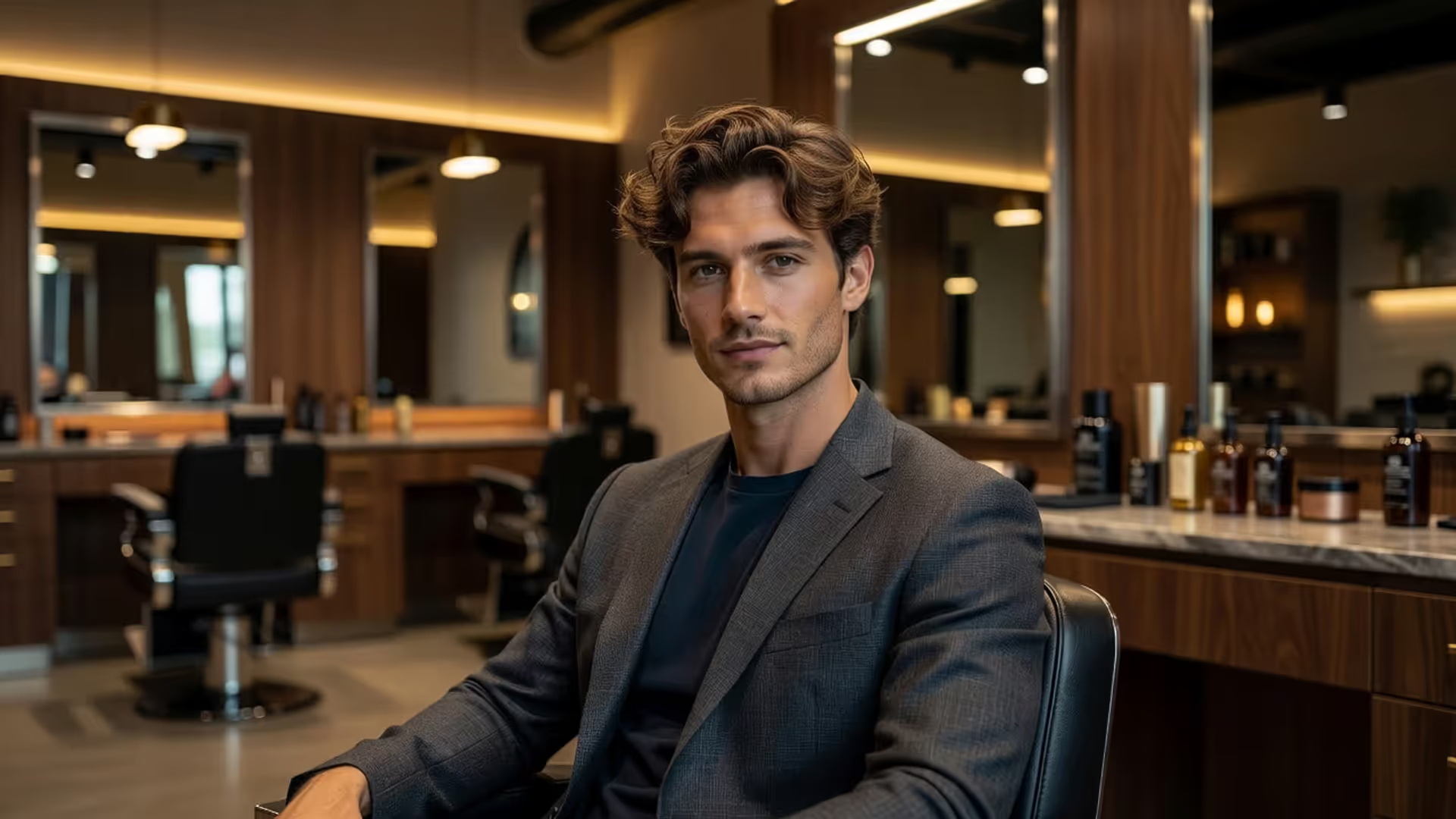
A perm haircut for men has made a serious comeback. What once felt like a relic of the 1980s is now one of the more requested services at barbershops and salons across the US. Men are showing up with photos of loose beach waves, tight spiral curls, and everything in between — and they want to know if it's right for them.
If you're doing your research before booking that appointment, you're already ahead. A perm isn't a small commitment. It changes your hair's structure at the chemical level, and the results stick around for months. Getting clear on what the process involves, which style fits your hair, and how to take care of the results afterward — that's what this guide is for.
What a Perm Actually Does to Men's Hair
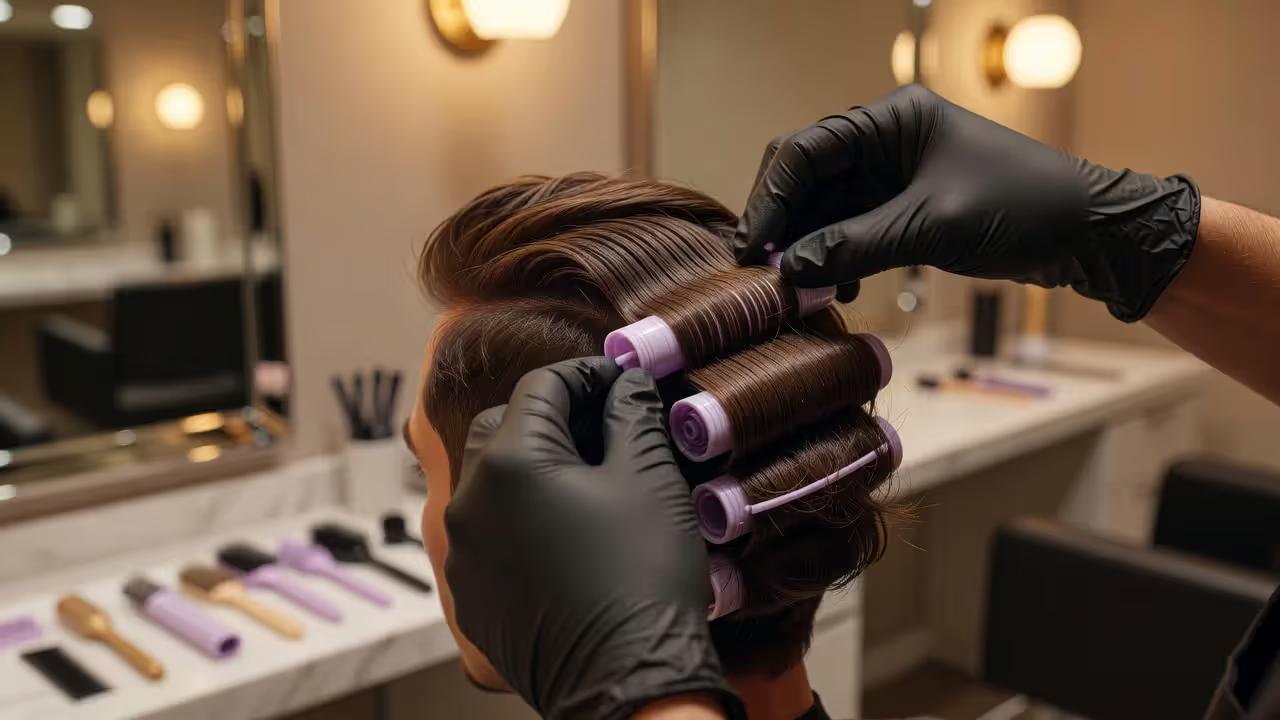
A perm works by chemically breaking down the bonds inside each hair strand, reshaping it around a rod, and then locking that new shape in place. The technical name for it is a permanent wave, and the process has been refined significantly over the decades. Modern perms use gentler formulas than the harsh ammonia-heavy solutions of the past.
So are perms good for men's hair? Honestly, it depends. Healthy hair handles the process well. Hair that's already been bleached, heavily colored, or chemically relaxed is a different story — the bonds are weaker, and adding a perm on top can cause breakage or uneven results. A good stylist will do a strand test before committing.
The realistic expectation: your hair will be slightly more porous after a perm. It'll absorb moisture faster but also lose it faster. That's not a dealbreaker — it just means your routine needs to adjust. Men who already have dry or coarse hair may notice more frizz if they skip the right products.
One counterintuitive point worth knowing: a perm doesn't add volume to all hair types equally. Fine, thin hair can actually look fuller after a body wave. But if your hair is already thick and dense, some perm styles can make it harder to manage rather than easier.
Author: Marissa Penrose;
Source: juneoils.com
Types of Perms for Men
Not all perms produce the same result. The curl pattern, intensity, and overall look vary significantly depending on the technique and rod size used. Here's a breakdown of the main types of perms for men and what each one actually delivers.
| Perm Type | Best Hair Length | Curl Intensity | Maintenance Level | Typical Cost Range (US) |
| Body Wave | Medium to long | Low — loose, soft movement | Low | $80–$150 |
| Spiral Perm | Medium to long | High — tight, defined spirals | High | $100–$200 |
| Beach Wave | Medium | Medium — relaxed, textured waves | Low to medium | $90–$160 |
| Light Perm | Short to medium | Very low — subtle texture | Very low | $70–$130 |
| Spot Perm | Any (targeted areas) | Varies by rod used | Low | $60–$120 |
Body waves are the go-to for men who want movement without obvious curl. Spiral perms create defined, bouncy coils — great for men who want a bold textured look. Beach waves land somewhere in the middle and work well for men who want that effortless, just-back-from-the-coast texture. Spot perms target specific sections, like the top of the head, while leaving the sides alone.
Light Perm for Men — When Subtle Waves Work Best
The light perm is the option most men should probably start with if they've never done this before. It uses larger rods and a shorter processing time to create a soft, barely-there wave pattern rather than defined curls.
It works best on hair that's at least 3 to 4 inches long — shorter than that and there's not enough length for the wave to form properly. The result looks natural, not processed. On straight hair, a light perm men can barely detect in photos is often the goal: just enough texture to make the hair look thicker, more structured, and easier to style.
Men with oval or square face shapes tend to get the most flattering results from this style. It's also a smart choice for men who want low-maintenance texture without committing to full curls.

Author: Marissa Penrose;
Source: juneoils.com
How Long a Men's Perm Lasts
The honest answer: typically 3 to 6 months. That's the range most stylists will quote, and it holds up for most men. But there's real variation inside that window.
Hair growth rate matters a lot. If your hair grows fast — say, half an inch or more per month — the new growth at the roots will start showing a straight-to-wavy contrast sooner. Some men notice this at the 10-week mark. Others don't think about a touch-up until month five.
Hair type is the other big variable. Coarser, thicker hair tends to hold a perm longer. Fine hair can relax out of the curl pattern faster, sometimes dropping to a looser wave by month three. Aftercare plays into this too — men who use sulfate-heavy shampoos or skip moisturizing products often see their perm fade faster than it should.
A realistic scenario: a man with medium-thick hair who follows a proper maintenance routine can expect strong results for about 4 months, with gradual softening through month 6. After that, the curl is mostly grown out or relaxed, and it's time for a fresh service.
Men's Perm Maintenance Week by Week
The first 48 hours after your perm are the most important. Don't wash your hair. Don't pull it into a ponytail. Don't tuck it behind your ears. The bonds are still setting, and anything that disrupts the shape during this window can affect the final result. This is the rule most men break — and then wonder why their curls didn't turn out right.
After that initial 48-hour period, here's how to maintain a men's perm properly:
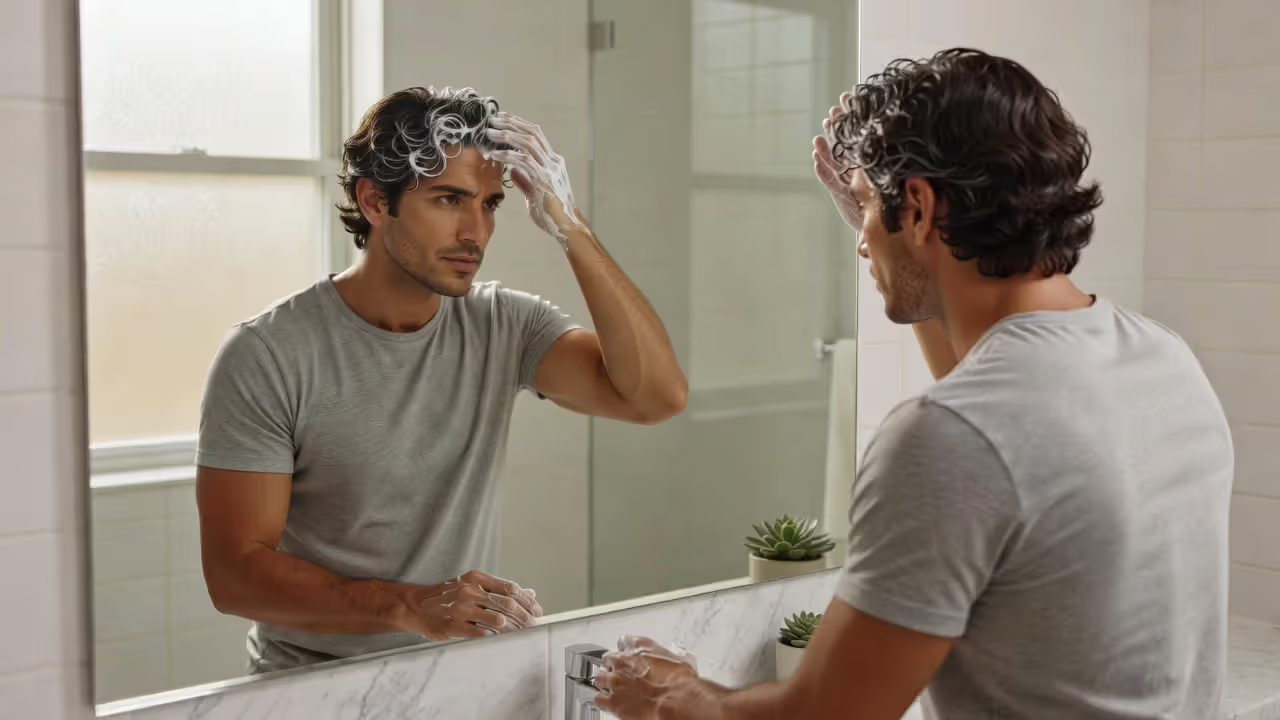
Washing: Keep it to 2–3 times per week. Daily washing strips the natural oils your permed hair now needs more than ever. Use a sulfate-free shampoo every time.
Conditioning: Non-negotiable. A moisturizing conditioner after every wash, and a deep conditioning treatment once a week. Permed hair is more porous — it needs that moisture replaced consistently.
Products: A curl cream or light mousse applied to damp hair helps define the wave pattern and reduce frizz. Avoid heavy gels that leave buildup.
Drying: Air drying is the best option. If you're in a hurry, use a diffuser attachment on low heat. Rubbing your hair with a towel breaks up the curl pattern and causes frizz. Scrunch gently instead.
The pattern I see most often is men doing everything right for the first two weeks and then gradually slipping back into old habits — daily washing, rough towel drying, no product. By week six, they're wondering why the perm looks flat.
Author: Marissa Penrose;
Source: juneoils.com
What to Expect at the Salon
A men's perm appointment typically runs 2 to 3 hours. That's longer than most men expect. Here's what actually happens during that time.
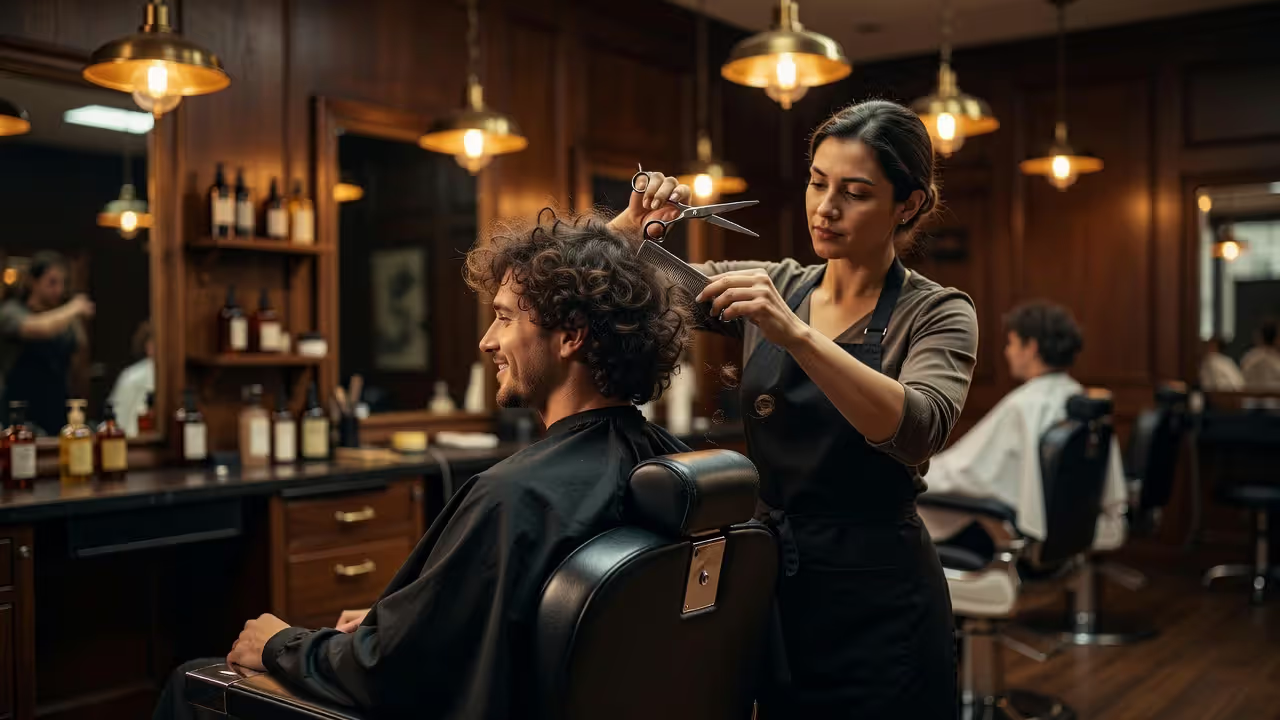
The consultation comes first. A good stylist will look at your hair's current condition, ask about any color or chemical treatments you've had, and discuss the curl pattern you want. Bring reference photos — vague descriptions like "wavy but not too curly" mean different things to different people.
Rod selection is where the final look gets decided. Smaller rods create tighter curls; larger rods produce looser waves. Your stylist will section the hair and wrap each section around the appropriate rod size.
Then the solution goes on. Processing time is usually 15 to 30 minutes, depending on your hair type and the desired result. After rinsing, a neutralizer is applied to lock the new shape in place. Another rinse, rods come out, and you're done.
Cost in the US ranges from $70 on the low end (basic light perm at a budget salon) to $200 or more at a high-end salon in a major city. Longer or thicker hair often costs more. Ask upfront whether the price includes a trim or if that's separate.
Questions worth asking before you sit down: Have you done perms on men's hair specifically? What solution strength do you use for my hair type? And — what happens if my hair reacts badly to the solution?
Common Mistakes Men Make With Perms
Washing too soon is the biggest one. The 48-hour rule exists for a real reason, and skipping it is probably the most common reason men are disappointed with their results.
Author: Marissa Penrose;
Source: juneoils.com
Using the wrong shampoo comes in close second. Sulfate shampoos are designed to strip oil and buildup aggressively — which is exactly what permed hair doesn't need. One bottle of the wrong shampoo won't ruin everything, but using it consistently will shorten your perm's lifespan noticeably.
Heat styling without a protectant is another mistake that shortens results and adds unnecessary damage. If you're using a blow dryer on high heat or a flat iron to smooth sections, you're working against the perm. Use heat protectant spray and keep the temperature below 350°F.
Skipping trims is one men rarely think about. Permed hair that's split and frayed at the ends looks frizzy and undefined, not curly. A trim every 8 to 10 weeks keeps the shape looking intentional.
And one that surprises people: swimming in chlorinated pools without rinsing afterward. Chlorine dries out permed hair fast and can cause the curl pattern to loosen prematurely. Rinse with fresh water immediately after swimming and follow up with conditioner.
Men's perms today are nothing like what people remember from the '80s. The chemistry is gentler, the results are more natural-looking, and with the right aftercare, healthy hair handles the process really well. The key is going to someone who specializes in texture work — not just any stylist who offers it on their menu.
— Garrett Markeson
FAQ: Men's Perm Questions Answered
A perm haircut for men is a real commitment — chemically, financially, and in terms of your daily routine. But for men who want texture, volume, or a low-effort style that looks good without much work, it delivers. Start with a consultation at a salon that has clear experience with men's texture services, be honest about your hair history, and go in with realistic expectations. The results, when done right, are worth it.
Related Stories

Read more
Read more


The content on this website is provided for general informational and educational purposes only. It is intended to explain concepts related to cosmetology, hair care, skincare, aesthetic treatments, and beauty procedures.
All information on this website, including articles, guides, and examples, is presented for general educational purposes. Results may vary depending on individual skin type, hair type, or treatment protocols.
This website does not provide professional medical, dermatological, or cosmetic services, and the information presented should not be used as a substitute for consultation with licensed aestheticians, dermatologists, or medical professionals.
The website and its authors are not responsible for any errors or omissions, or for any outcomes resulting from decisions made based on the information provided on this website.