
Alopecia Resources for Understanding and Managing Hair Loss
Alopecia Resources for Understanding and Managing Hair Loss
Content
Content
Hair loss is one of those experiences that catches people off guard. One morning you notice a quarter-sized bald patch near your temple, and suddenly you're deep in a rabbit hole of medical terminology, forum posts, and conflicting advice. If you're looking for solid alopecia resources — whether for yourself or someone you care about — this guide covers everything from basic definitions to treatment options, daily coping strategies, and where to find real support.
What Is Alopecia
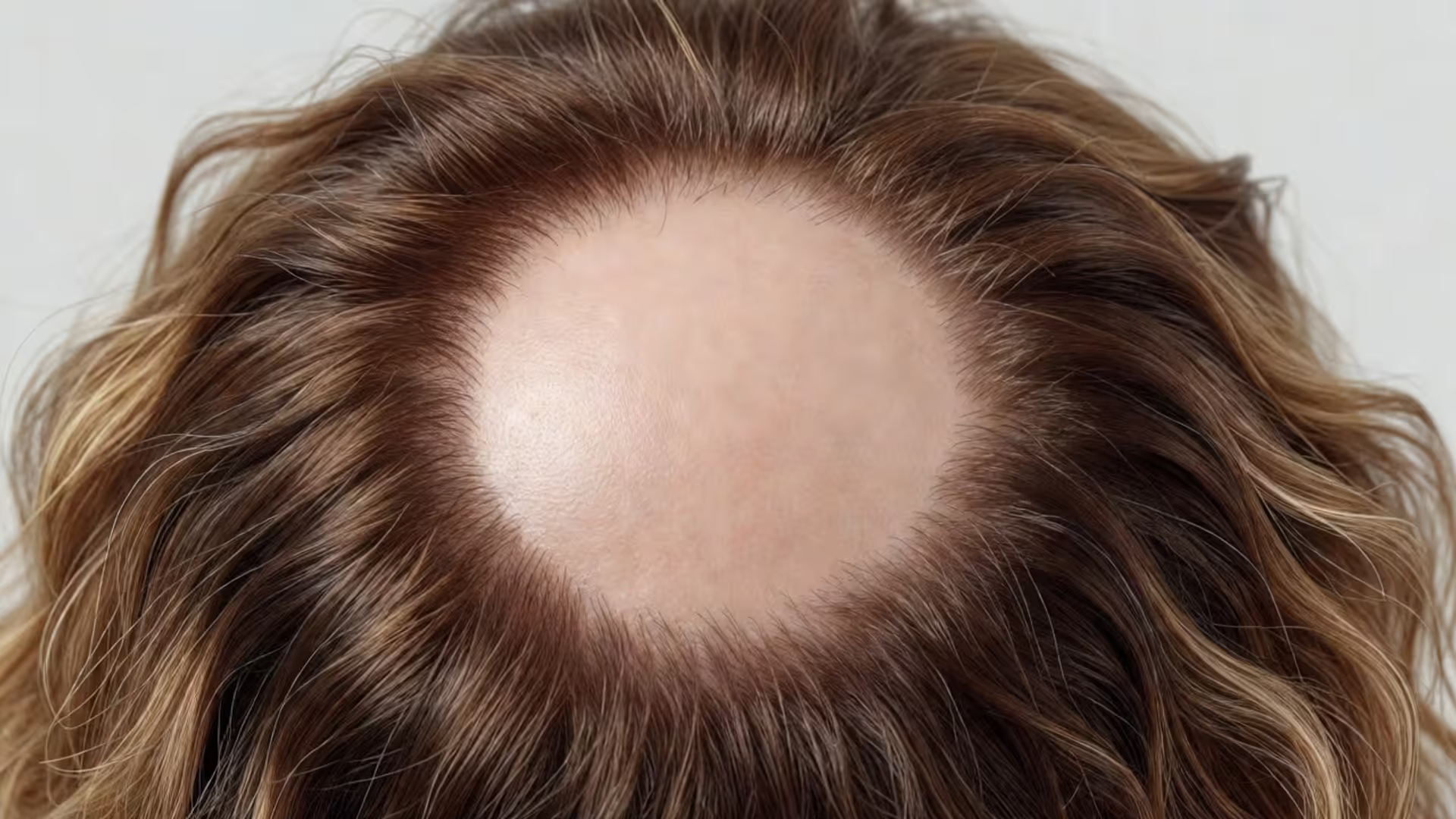
Alopecia is the medical term for hair loss. That's it at its core. But the word covers a wide range of conditions, from a small patch that grows back on its own to complete, permanent loss of hair across the entire body.
The most talked-about form is alopecia areata, an autoimmune condition where the immune system mistakenly attacks hair follicles. It's more common than most people realize — roughly 6.8 million Americans are affected at any given time. But alopecia isn't a single disease. It's a category, and the specific type you have shapes everything: how it progresses, what triggers it, and which treatments are worth trying.
One thing that trips people up is assuming alopecia only happens to older adults. Not true. Alopecia areata, for example, often appears before age 30, and it can affect children as young as toddlers.
Types of Alopecia Explained
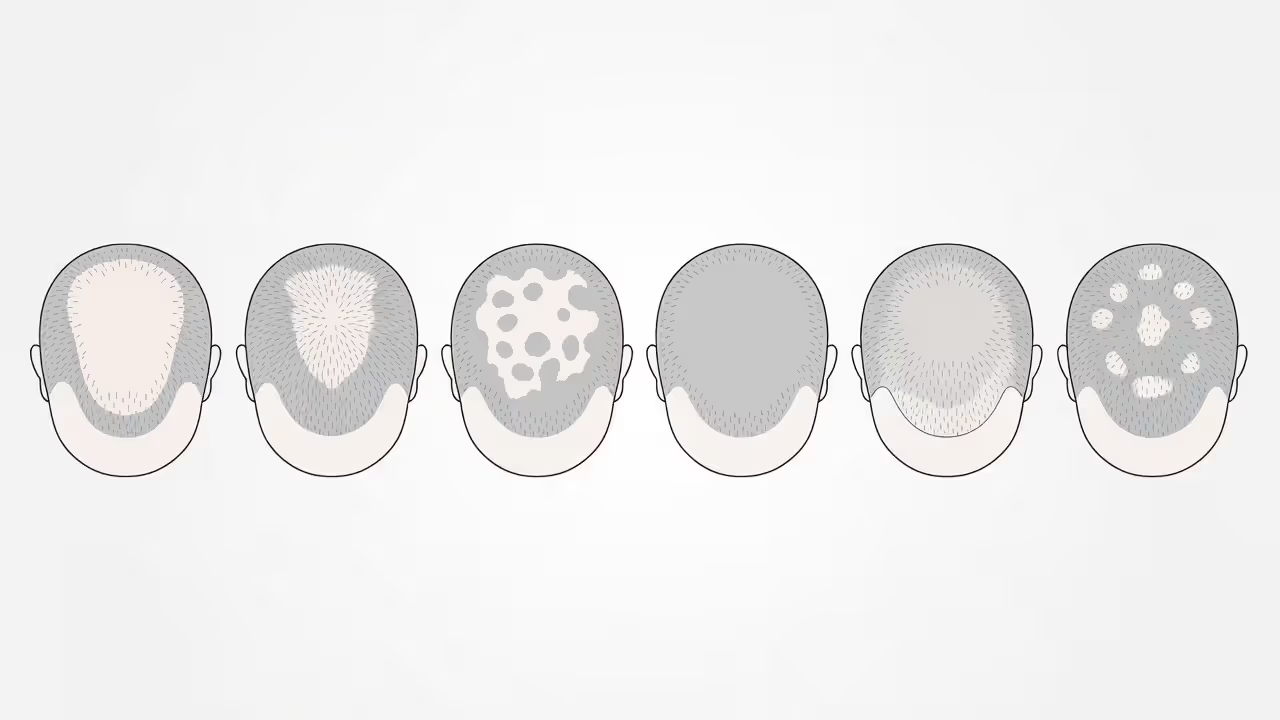
There are several distinct forms of alopecia, and knowing which one you're dealing with matters enormously. The pattern of hair loss, the underlying cause, and whether regrowth is possible all vary significantly between types.
Here's a quick comparison to orient you:
| Type Name | Hair Loss Pattern | Primary Cause | Reversibility |
| Alopecia Areata | Patchy, round or oval areas | Autoimmune | Often reversible |
| Alopecia Totalis | Complete scalp hair loss | Autoimmune | Partially reversible |
| Alopecia Universalis | All body and scalp hair | Autoimmune | Rarely reversible |
| Androgenetic Alopecia | Gradual thinning (temples, crown) | Genetics, hormones | Manageable, not curable |
| Scarring Alopecia | Irregular patches with scarring | Inflammation, infection | Irreversible |
| Traction Alopecia | Hairline recession, edges | Physical tension | Reversible if caught early |
Author: Vivienne Ashmore;
Source: juneoils.com
Alopecia Areata vs. Androgenetic Alopecia
These two get confused constantly, and the confusion leads to wrong treatment choices.
Alopecia areata shows up as sudden, well-defined patches — often circular, often on the scalp but sometimes in the beard, eyebrows, or eyelashes. It can come and go unpredictably. Some people have one episode and never experience it again. Others cycle through flares for years.
Androgenetic alopecia — commonly called male-pattern or female-pattern baldness — is a completely different animal. It's driven by genetics and the hormone dihydrotestosterone (DHT), and it progresses gradually over years or decades. Men typically see a receding hairline and thinning at the crown. Women more often experience a widening part and overall diffuse thinning. The pattern I see most often described in clinical literature is the classic "M-shape" recession in men, which is almost never how alopecia areata presents.
Scarring Alopecia and Why It Differs
Scarring alopecia — technically called cicatricial alopecia — is in a category of its own because it permanently destroys hair follicles. Inflammation, whether from conditions like lichen planopilaris, discoid lupus, or folliculitis decalvans, damages the follicle to the point where scar tissue replaces it. Once that happens, hair won't grow back in that area.
This is why early diagnosis matters so much with scarring types. The window to slow or stop the damage is real, but it's not unlimited.
What Causes Patchy Hair Loss
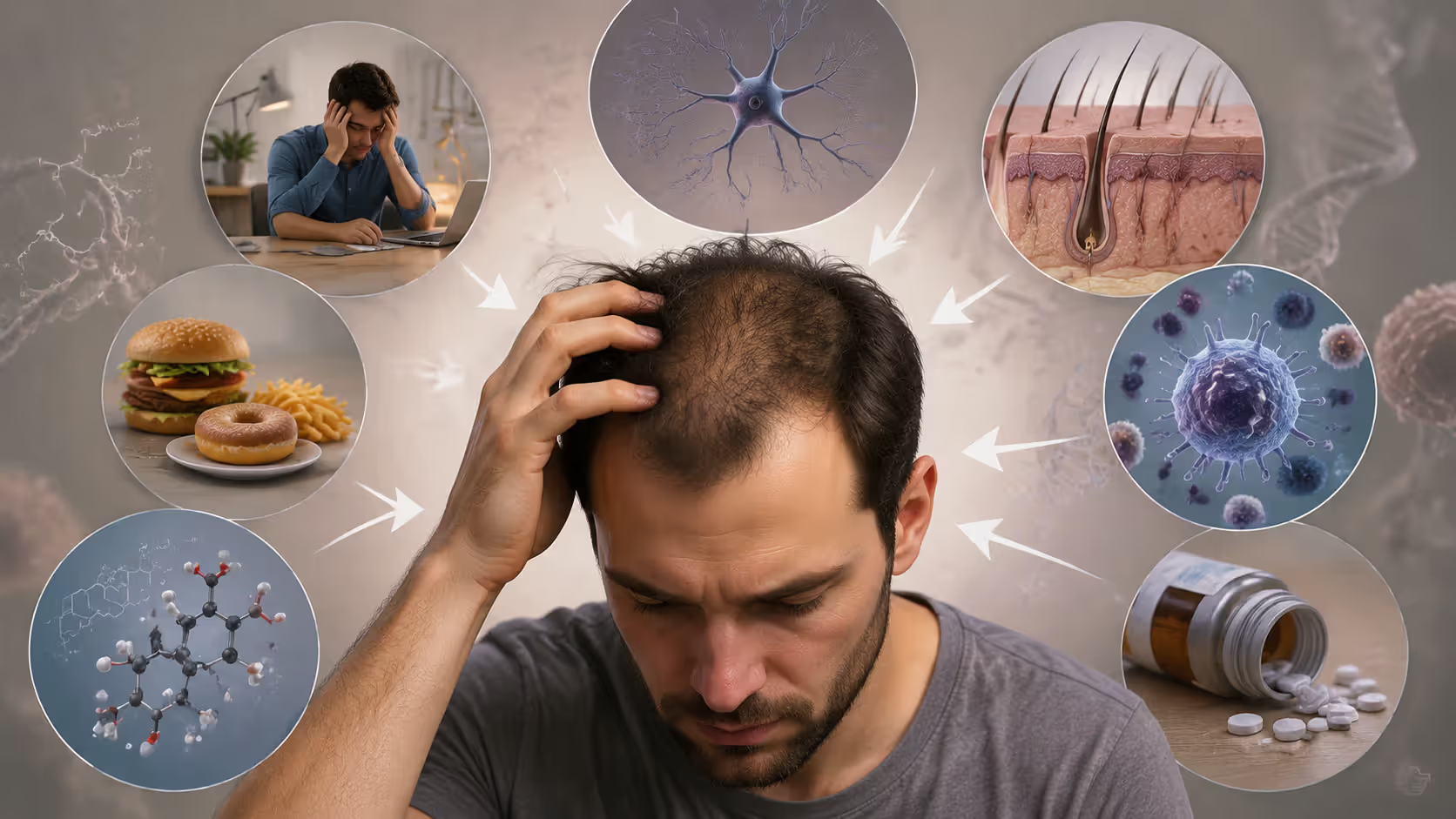
Patchy hair loss — the kind that shows up suddenly in discrete spots — is most often tied to alopecia areata and its autoimmune mechanism. But the causes of patchy hair loss are broader than that.
Autoimmune triggers. In alopecia areata, the immune system treats hair follicles as foreign tissue. What sets this off isn't fully understood, but researchers point to a combination of genetic predisposition and environmental triggers. Having a first-degree relative with the condition roughly doubles your risk.
Stress. Severe physical or emotional stress can trigger a type of hair loss called telogen effluvium, where large numbers of follicles shift into a resting phase simultaneously. This produces diffuse shedding rather than neat patches, but it can overlap with other conditions and make diagnosis trickier.
Scalp conditions. Fungal infections like tinea capitis (ringworm of the scalp) cause patchy hair loss, especially in children. These are treatable and reversible with antifungal medication.
Hormonal shifts. Thyroid disorders, postpartum hormonal changes, and polycystic ovary syndrome (PCOS) all affect the hair growth cycle. Patchy loss in these cases often resolves once the underlying hormonal imbalance is addressed.
Nutritional deficiencies. Low iron, low ferritin, or deficiencies in zinc and biotin can contribute to hair loss, though they're rarely the sole cause of well-defined patches.
A common mistake here: people assume stress alone caused their alopecia areata. Stress may have been a trigger, but in most cases, there's a genetic vulnerability that stress activated. Treating only the stress won't resolve the autoimmune component.
Author: Vivienne Ashmore;
Source: juneoils.com
How Alopecia Is Diagnosed and Treated
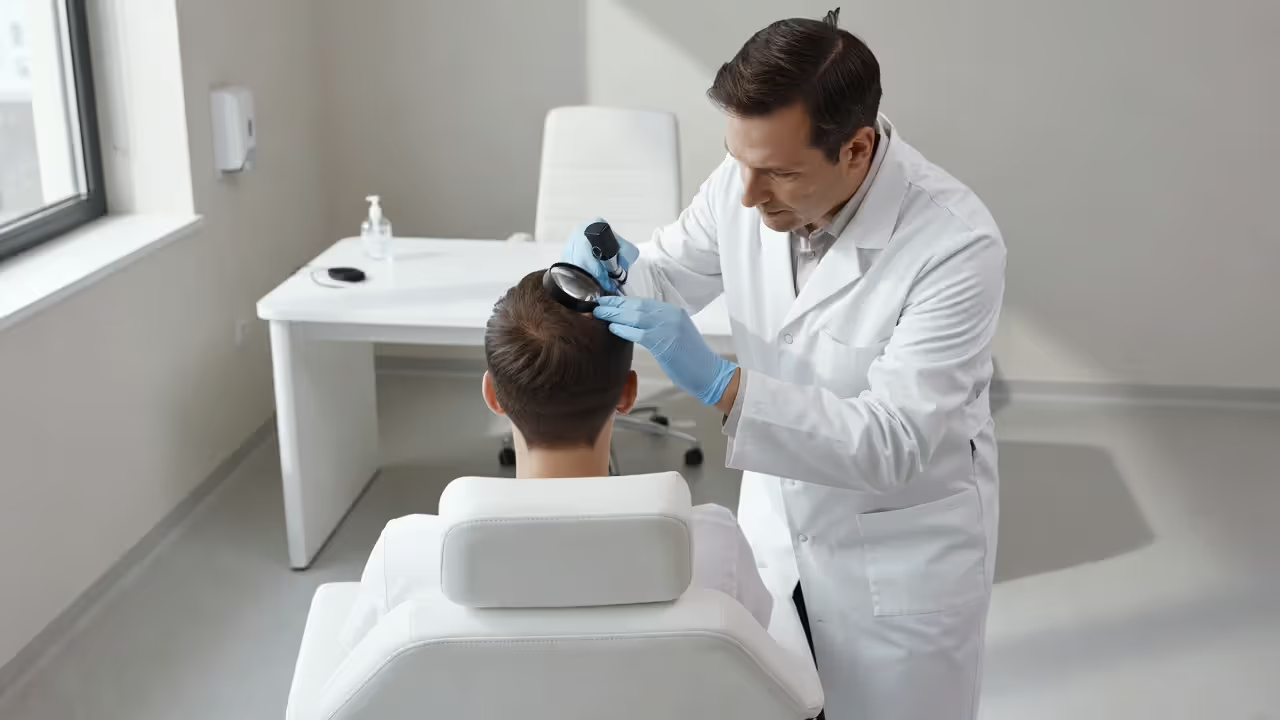
Getting a proper diagnosis starts with a dermatologist — specifically one with experience in hair disorders if you can access one. The visit typically includes a visual exam, a review of your medical history, and sometimes a pull test, where the doctor gently tugs on clusters of hair to see how much sheds.
If the diagnosis isn't clear from the surface, a scalp biopsy can confirm the type of alopecia and rule out scarring forms. Blood work helps identify thyroid issues, hormonal imbalances, or nutritional deficiencies.
Treatment options vary by type:
- Corticosteroids. Injected directly into bald patches, topical steroids, or oral steroids can suppress the autoimmune response in alopecia areata. Intralesional injections are often the first-line option for patchy cases.
- Minoxidil. Available over the counter in 2% and 5% formulations, minoxidil stimulates hair growth and is used for both androgenetic alopecia and as an adjunct in areata cases.
- JAK inhibitors. This is the most significant development in alopecia treatment in recent years. The FDA approved baricitinib (Olumiant) in 2022 and ritlecitinib (Litfulo) in 2023 specifically for severe alopecia areata. These oral medications work by blocking the immune signals that trigger follicle attacks. Results in clinical trials were striking — many patients saw substantial regrowth within six to twelve months.
- Platelet-rich plasma (PRP). Some dermatologists offer PRP injections as an off-label option, with mixed but generally encouraging evidence.
- Hair transplant surgery. Appropriate only for stable androgenetic alopecia, not for active autoimmune forms.
There's no one-size-fits-all answer here. What works for androgenetic alopecia won't necessarily touch alopecia areata, and vice versa. The simpler option — like minoxidil — is usually worth trying first before escalating to systemic treatments.
Author: Vivienne Ashmore;
Source: juneoils.com
Living With Alopecia Day to Day
The practical side of living with alopecia doesn't get enough attention. Managing the condition medically is only part of the picture.
Wigs and hairpieces. The wig industry has changed dramatically. High-quality human hair wigs, lace-front options, and medical-grade hairpieces are more accessible and more natural-looking than they were even a decade ago. Some insurance plans cover wigs as a prosthetic device — it's worth checking your policy and asking your dermatologist for a prescription letter.
Scalp care. Without hair, the scalp is more exposed to sun, cold, and friction. Broad-spectrum SPF applied to the scalp, soft hats or head coverings, and gentle moisturizers all help protect skin that's no longer insulated by hair.
Talking to employers and schools. Alopecia can affect anyone at any age, and navigating disclosure is a real challenge. In the US, the Americans with Disabilities Act (ADA) may offer some protections depending on how alopecia affects daily functioning. For kids, working with school counselors to address teasing or bullying proactively makes a significant difference.
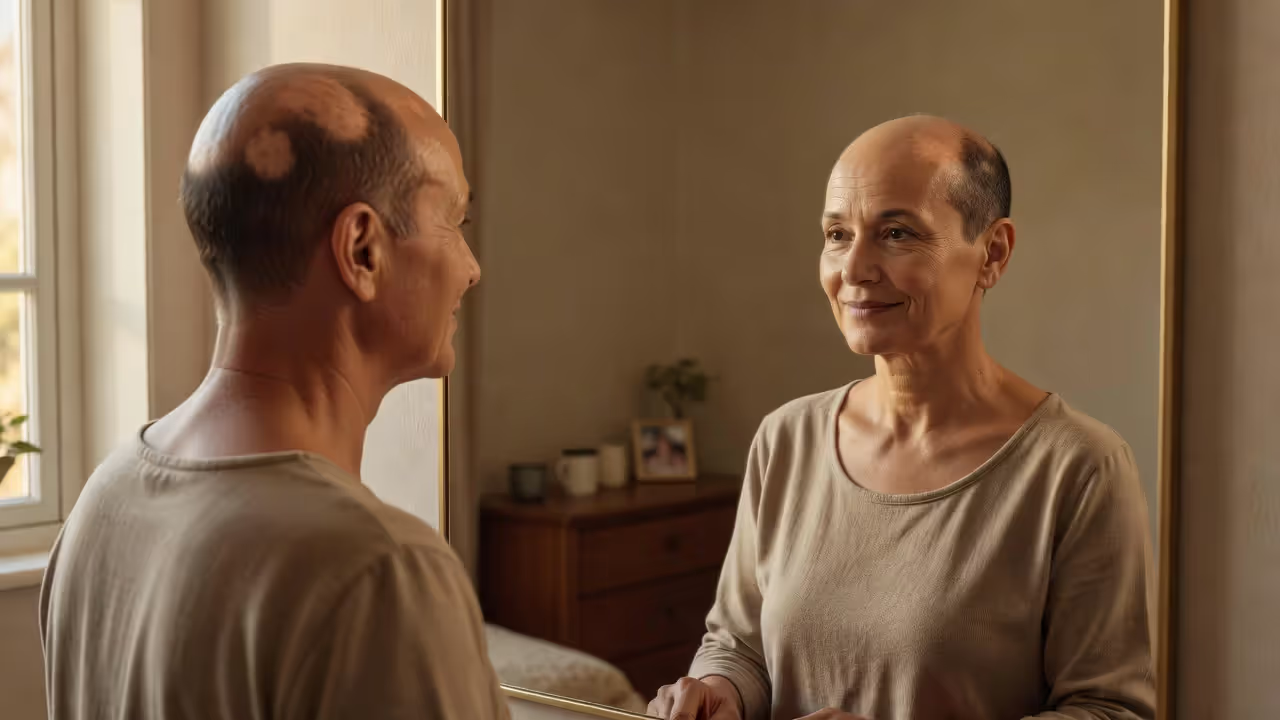
Mental health impact. This is where living with alopecia gets genuinely hard. Hair is tied to identity, gender expression, and social confidence in ways that are difficult to overstate. Anxiety and depression are significantly more common in people with alopecia areata compared to the general population. Acknowledging that isn't weakness — it's accurate.
Author: Vivienne Ashmore;
Source: juneoils.com
Alopecia Support and Coping Strategies
You don't have to figure this out alone. There are real, active communities and professional resources built specifically for people dealing with alopecia.
National Alopecia Areata Foundation (NAAF). The NAAF is the largest US-based organization dedicated to alopecia areata. They run support groups across the country, an annual conference, and a resource hotline. Their website (naaf.org) is one of the most reliable alopecia resources available in plain English.
Children's Alopecia Project. Focused on kids and teens, this nonprofit provides wigs, educational support, and peer connection programs. If you're a parent navigating this for a child, it's worth a look.
Online communities. Reddit's r/alopecia community has tens of thousands of members sharing treatment experiences, product recommendations, and emotional support. It's not a substitute for medical advice, but the peer knowledge there is genuinely useful.
Therapy and counseling. Cognitive behavioral therapy (CBT) has solid evidence behind it for managing the psychological impact of chronic skin and hair conditions. Look for therapists who specialize in chronic illness or body image. The American Psychological Association's therapist locator at apa.org can help narrow your search.
Peer support groups. NAAF facilitates in-person and virtual support groups where people share coping strategies in a structured setting. Many participants describe these groups as more helpful than any single medical appointment.
Alopecia areata is not just a cosmetic condition — it is an autoimmune disease that can significantly affect a person's emotional and psychological well-being.
— Senna Maryanne Makredes
That framing matters. Treating the emotional dimension of alopecia isn't optional — it's part of the actual treatment picture.
Frequently Asked Questions About Alopecia
FAQ: Alopecia Questions Answered
Managing alopecia is a long game, and it looks different for everyone. Some people find a treatment that works and move on with minimal disruption. Others navigate years of trial, error, and emotional adjustment. What stays consistent is that good information, the right medical team, and a solid support network make a measurable difference — and all three are more accessible now than they've ever been.
Related Stories
Read more
Read more



The content on this website is provided for general informational and educational purposes only. It is intended to explain concepts related to cosmetology, hair care, skincare, aesthetic treatments, and beauty procedures.
All information on this website, including articles, guides, and examples, is presented for general educational purposes. Results may vary depending on individual skin type, hair type, or treatment protocols.
This website does not provide professional medical, dermatological, or cosmetic services, and the information presented should not be used as a substitute for consultation with licensed aestheticians, dermatologists, or medical professionals.
The website and its authors are not responsible for any errors or omissions, or for any outcomes resulting from decisions made based on the information provided on this website.