
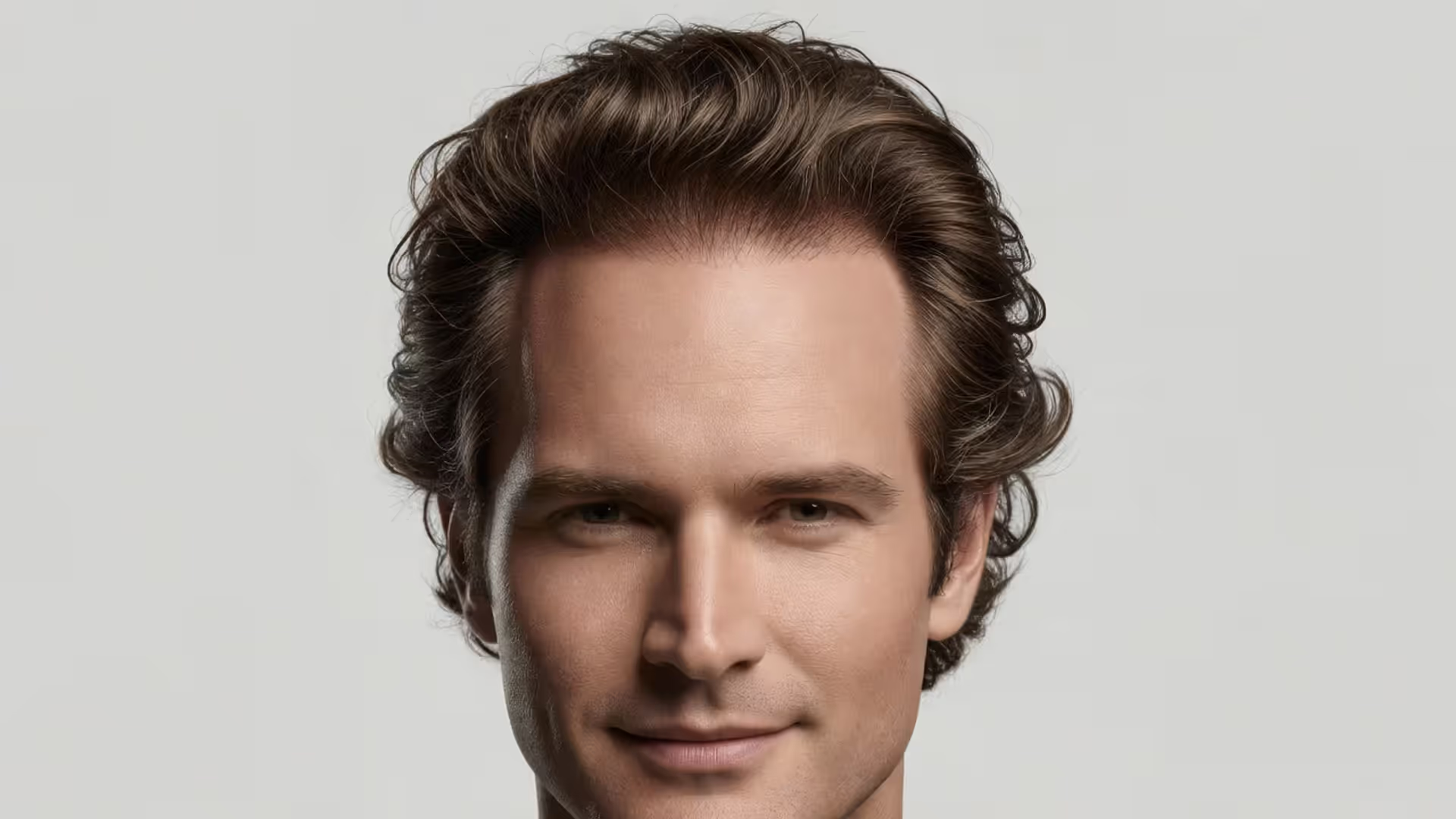
What Is a Toupee and How Does It Work for Hair Loss
What Is a Toupee?

If you've ever typed "what is a toupe" into a search bar, you're not alone — and yes, the correct spelling is toupee. It's a small word with a surprisingly loaded history, and for millions of American men dealing with hair loss, it represents a very real solution worth understanding. Whether you're just starting to research options or you've been curious for years, this guide breaks down everything — what a toupee actually is, how it works, whether people can tell you're wearing one, and how modern versions have completely rewritten the old stereotype.
The Basic Definition of a Toupee
A toupee is a small hairpiece designed to cover partial baldness — typically on the top or crown of the head. Unlike a full wig, which covers the entire scalp, a toupee targets a specific area. That's the key distinction. It's a partial coverage solution, not a full replacement.
The word itself comes from the French "toupet," meaning a tuft of hair. Toupees have been around for centuries — European aristocrats wore them in the 1700s, often as elaborate powdered pieces. By the 20th century, they became associated with a very specific look: stiff, obvious, and slightly desperate. That reputation stuck for decades.
But here's where it gets interesting. The product itself never really went away. It evolved. What most people picture when they hear "toupee" — a rigid, ill-fitting cap of synthetic hair — barely resembles what's available today. The core concept remains: a hairpiece that covers a bald or thinning area. The execution has changed dramatically.
How Does a Toupee Work on the Scalp
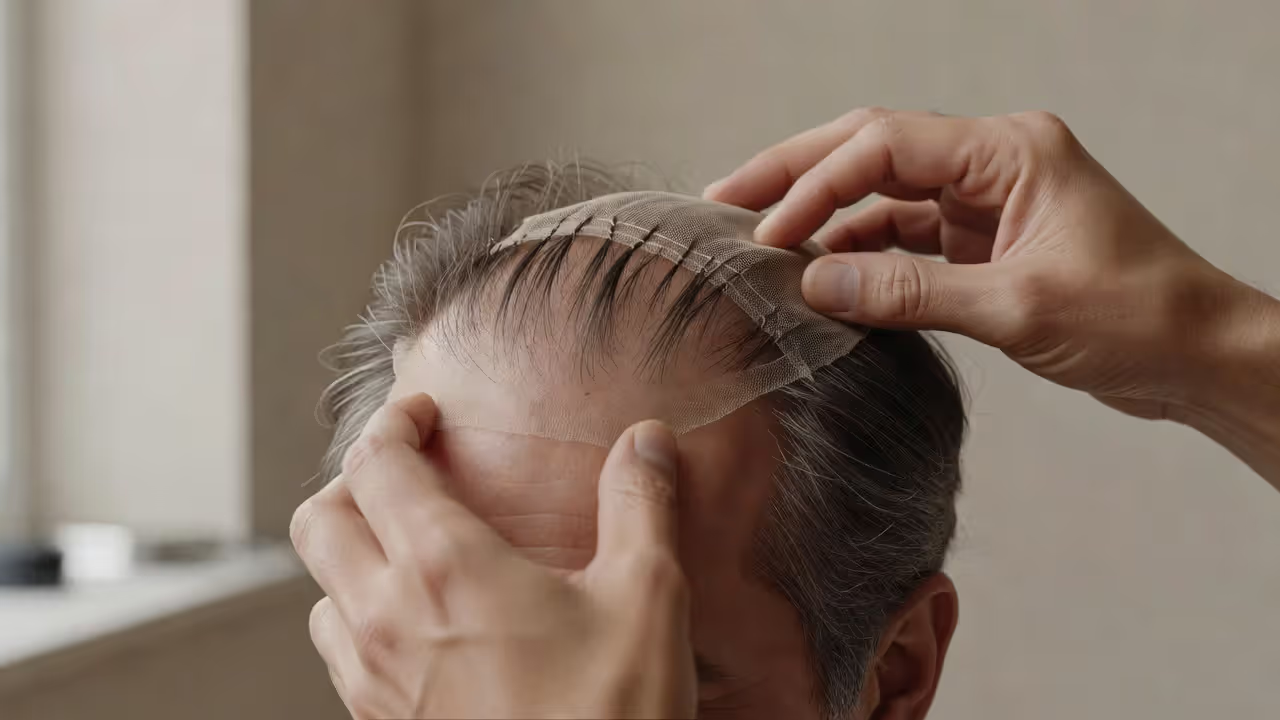
The basic mechanics are straightforward. A toupee sits on top of the scalp and is held in place through one of several attachment methods. The base — the foundation layer that contacts your skin — is cut or pre-shaped to match the area of hair loss. Human or synthetic hair is then attached to that base, styled to blend with your existing hair.
Fit matters more than most people realize. A poorly fitted toupee shifts, looks unnatural, and draws attention. A well-fitted one stays put, moves with your head, and feels like part of you.
Author: Julian Crestwell;
Source: juneoils.com
Common Attachment Methods Used Today
There are four main ways a toupee stays on your head:
Tape — Double-sided toupee tape is the most common method for beginners. It's affordable, easy to apply, and easy to remove. Most tape holds for 1–7 days depending on the brand and your skin type.
Liquid adhesive (glue) — Stronger than tape and better for active lifestyles. Some adhesives create a bond that lasts 2–6 weeks. The tradeoff is a more involved removal process.
Clips or combs — These attach directly to your existing hair. No adhesive needed. Great for people who want to take the piece off daily. Less secure than bonding methods, though.
Integration systems — A more advanced option where the base weaves into remaining hair. Rarely used for basic toupees, but common in full hair systems.
The simpler option usually wins for first-time wearers. Start with tape, get comfortable, then upgrade if needed.
How Long a Toupee Stays in Place
This depends almost entirely on the attachment method and your daily activity level. Tape typically holds 3–5 days with light activity. Adhesive bonds can last up to 4–6 weeks with proper maintenance. Clips are the least secure — expect to re-adjust if you're active.
Sweat, oil, and water all affect bond strength. If you work out daily or live in a humid climate like Florida or Texas, you'll want a stronger adhesive or a base material designed for moisture resistance.
Toupee vs Hair System — What Is the Difference
The terminology gets confusing fast. "Toupee" and "hair system" are often used interchangeably, but there are real differences — mostly in quality, construction, and how the industry positions them.
The pattern I see most often is that "toupee" carries the old stigma, so manufacturers and stylists shifted to calling the same product a "hair system." But the distinction runs deeper than marketing.
| Feature | Traditional Toupee | Modern Hair System |
| Base material | Synthetic mesh or hard plastic | Lace, thin skin, mono, or hybrid base |
| Attachment method | Clips or basic tape | Medical-grade adhesive or tape bonds |
| Average lifespan | 3–6 months | 6–18 months depending on base and care |
| Natural appearance rating | Low to moderate | High to very high |
| Price range (US) | $50–$200 | $200–$800+ |
| Maintenance level | Low | Moderate to high |
A traditional toupee was built for convenience and low cost. A modern hair system is engineered for realism and durability. The base materials are thinner, the hairlines are more detailed, and the customization options are far more advanced.
So — is a toupee the same as a hair system? Technically, yes. Practically, no. Think of it like the difference between a basic sedan and a luxury car. Same category, very different experience.
Are Toupees Noticeable in Real Life
This is the question everyone actually wants answered. And the honest answer is: it depends on the quality of the piece and how well it's fitted.
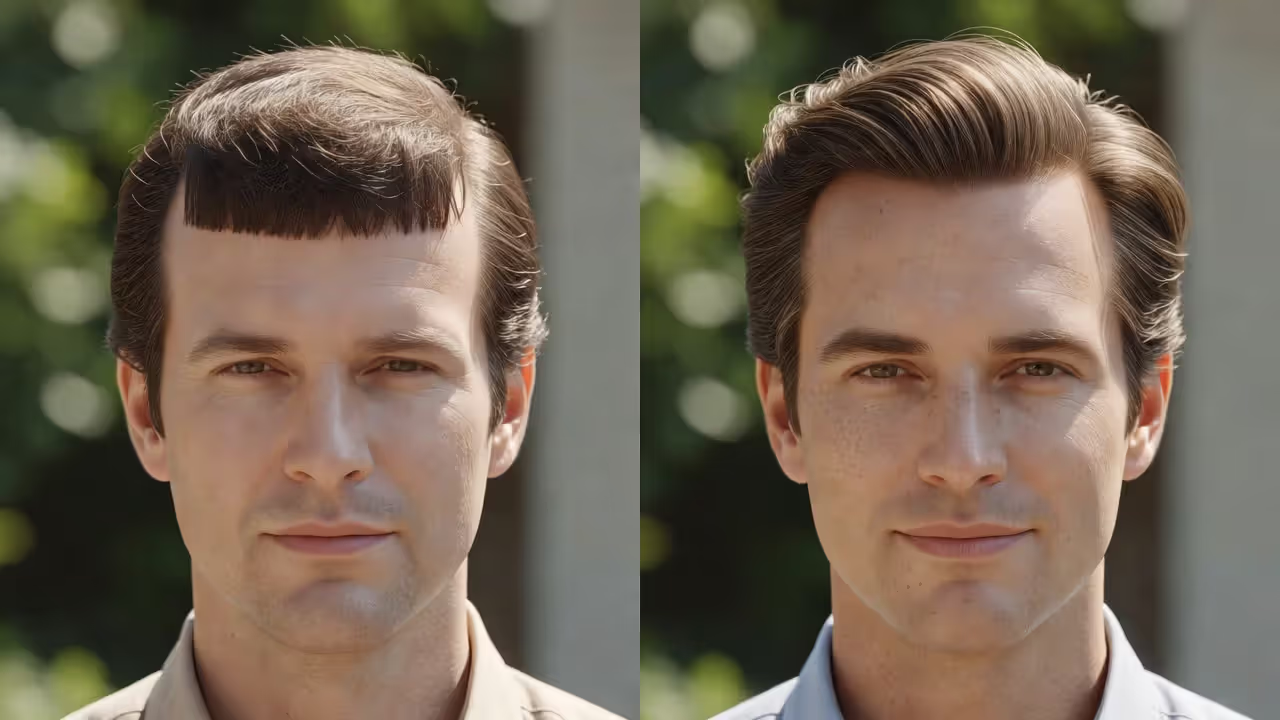
Older toupees were noticeable for three reasons: the hairline looked fake, the density didn't match, and the base was visible. Modern options have solved all three problems — when they're done right.
Author: Julian Crestwell;
Source: juneoils.com
Hairline realism is the biggest factor. Lace-front bases create a hairline that mimics how natural hair grows from the scalp — individual strands, not a solid edge. At a normal conversational distance, a well-made lace hairline is essentially undetectable.
Density matching is equally important. If your remaining hair is fine and light brown, your toupee needs to match that exactly. A mismatch in texture or color is what gives it away — not the piece itself.
One counterintuitive point: most people aren't looking for it. Unless someone is specifically checking, they won't notice. The fear of being "caught" is almost always bigger than the actual risk.
What Modern Hair Systems for Men Actually Look Like
Author: Julian Crestwell;
Source: juneoils.com
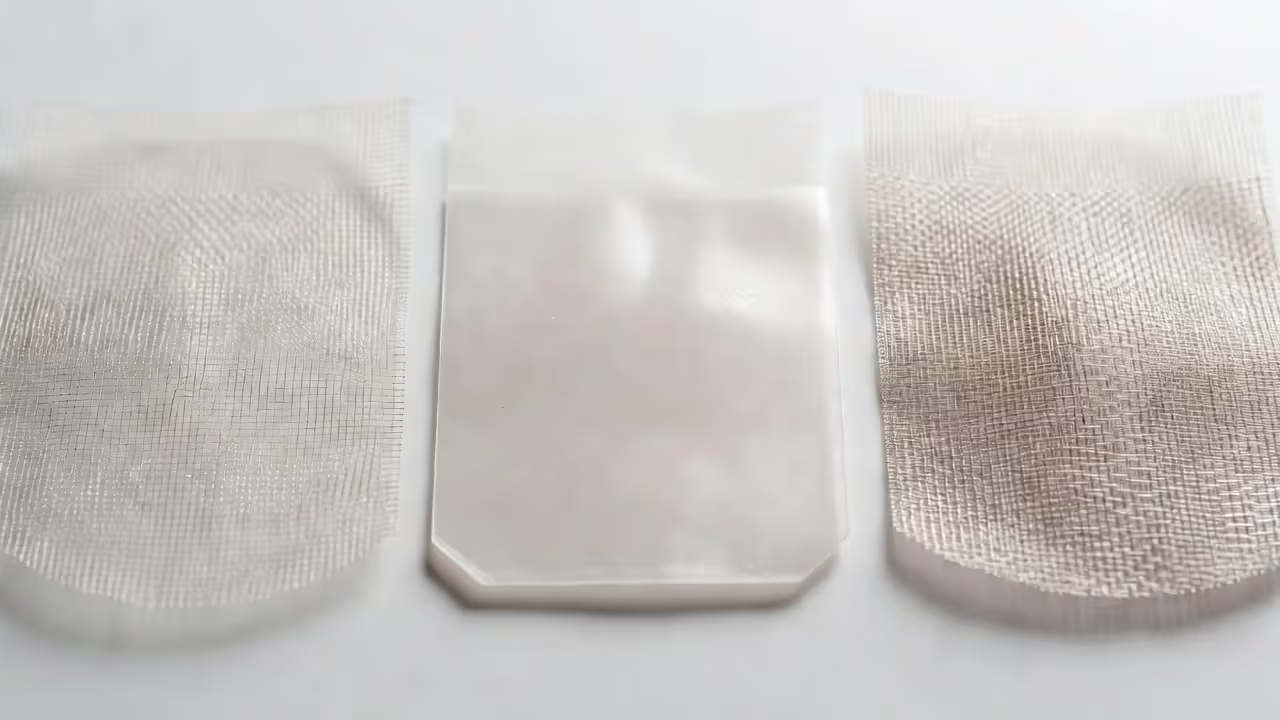
Forget the old image. Modern hair systems for men are thin, breathable, and built to last. The three most common base types are:
Lace — Ultra-thin, highly breathable, and the most natural-looking at the hairline. Best for men who prioritize realism. Lace bases typically last 1–3 months before needing replacement.
Thin skin (polyurethane) — Looks like a second skin. Nearly invisible when bonded correctly. Slightly less breathable than lace but more durable. Lasts 2–4 months.
Mono (monofilament) — More durable than lace or thin skin. Hair is individually knotted into a fine mesh. Great for active men. Lasts 6–12 months with proper care.
Hybrid bases combine two materials — often lace at the front for a natural hairline and thin skin or mono at the back for durability. Many professionals consider hybrid the best all-around option.
Today's hair systems are engineered with such precision that even a trained eye struggles to detect them at a normal conversational distance.
— Bauman Alan
The customization available now is genuinely impressive. You can specify hair origin (Indian, European, Chinese), curl pattern, density percentage, gray ratio, and even the direction of hair growth at the crown. This level of detail didn't exist in mainstream products even 10 years ago.
How to Care for a Hair Piece at Home
Good maintenance is what separates a hairpiece that looks great at 12 months from one that looks worn out at 3. The basics aren't complicated, but they do require consistency.
Washing — Remove the piece before washing if possible. Use a sulfate-free shampoo and cool water. Hot water weakens both the base and the hair fibers. Gently work the shampoo through the hair — don't scrub the base.
Conditioning — Always condition after washing. Focus on the hair, not the base. Leave-in conditioner works well for keeping the hair soft between washes. Wash every 7–14 days if you're wearing it full-time.
Adhesive removal — This is where most people make mistakes. Never pull the piece off dry. Use a dedicated adhesive remover — citrus-based removers are gentle and effective. Soak the bond, wait 30 seconds, then lift slowly from the edges.
Storage — When not wearing it, store the piece on a wig stand or a foam head. Don't fold it or stuff it in a drawer. Keep it away from direct sunlight and heat sources, both of which degrade the base material over time.
Lifespan tip — Rotating between two pieces extends the life of both. Each piece gets recovery time, and you're never caught without a wearable option if one needs repair.

Author: Julian Crestwell;
Source: juneoils.com
Frequently Asked Questions About Toupees and Hair Systems
The gap between what people imagine when they hear "toupee" and what's actually available in 2026 is enormous. Modern hair systems have made genuine, undetectable coverage accessible to most men — at a range of price points, with attachment options that fit every lifestyle. If you've been putting off researching this because of the old stigma, it's worth taking another look. The product has moved on. The stereotype hasn't caught up yet.
Related Stories

Read more
Read more



The content on this website is provided for general informational and educational purposes only. It is intended to explain concepts related to cosmetology, hair care, skincare, aesthetic treatments, and beauty procedures.
All information on this website, including articles, guides, and examples, is presented for general educational purposes. Results may vary depending on individual skin type, hair type, or treatment protocols.
This website does not provide professional medical, dermatological, or cosmetic services, and the information presented should not be used as a substitute for consultation with licensed aestheticians, dermatologists, or medical professionals.
The website and its authors are not responsible for any errors or omissions, or for any outcomes resulting from decisions made based on the information provided on this website.