
How to Get Rid of Nipple Hair Safely at Home
How to Get Rid of Nipple Hair Safely at Home?

Nipple hair is more common than most people realize. Both men and women can develop it, and for many people, it shows up quietly during puberty, pregnancy, or other hormonal shifts — then stays. If you've noticed a few stray hairs around your areola and wondered what to do about them, you're not alone. Millions of people search for safe ways to manage this exact thing. The good news: you have real options, and most of them are easy to do at home with minimal risk.
Why Do I Have Nipple Hair
Hair follicles exist all over the body, including around the areola. That's just anatomy. So technically, anyone can grow nipple hair — it's not a flaw or a medical problem in most cases.
The density and visibility of that hair, though, depends heavily on hormones and genetics. If your family members tend to have darker or coarser body hair, you're more likely to notice it yourself. That's the genetic piece, and there's not much you can do to change it. What you can understand is why it sometimes appears or gets more noticeable over time.
Hormonal Changes That Trigger Nipple Hair Growth
Androgens — hormones like testosterone — directly influence body hair growth. Everyone has some level of androgens, regardless of sex. When those levels shift, hair follicles respond. Puberty is the most obvious trigger. But pregnancy, breastfeeding, perimenopause, and even starting or stopping hormonal birth control can all cause new hair to appear or existing hair to darken.
Polycystic ovary syndrome (PCOS) is one of the most common hormonal conditions that leads to increased body hair. It affects roughly 1 in 10 women of reproductive age in the US. If your nipple hair appeared alongside irregular periods, acne, or unexplained weight changes, PCOS could be worth discussing with your doctor.
When Nipple Hair May Signal an Underlying Condition
In most cases, a few hairs around the nipple are completely normal. But if you're noticing rapid growth, coarse hair spreading well beyond the areola, or hair appearing alongside other symptoms, it's worth paying attention. This pattern — called hirsutism — refers to excess hair growth in women that follows a male-like pattern, often driven by elevated androgen levels. It can be linked to PCOS, adrenal disorders, or certain medications.
A dermatologist or OB-GYN can run a simple blood panel to check hormone levels if you're concerned. Don't skip that step if something feels off.
Is It Safe to Remove Nipple Hair
Short answer: yes, for most people, with the right method. But the area around the areola is genuinely more sensitive than, say, your legs or underarms. The skin is thinner, the nerve endings are closer to the surface, and the risk of irritation goes up fast if you're not careful.
The skin around the nipple is particularly delicate, so it's important to choose gentle hair removal methods and avoid anything that could cause trauma to the area. Waxing and depilatory creams are generally not recommended here due to the high risk of irritation and chemical burns.
— Garshick Marisa
Skin Sensitivity Around the Areola
The areola has Montgomery glands — small bumps that produce oils to protect the skin, especially during breastfeeding. Aggressive hair removal methods can irritate or block these glands. That's why dermatologists consistently steer people away from hot wax and chemical depilatories in this area. Even a product labeled "gentle" or "sensitive skin" can cause a reaction when applied directly to the areola.
Stick to mechanical methods (trimming, tweezing, shaving) or consult a professional for anything more permanent.
Signs You Should See a Doctor Before Removing
If you notice any of the following, pause before removing the hair and book an appointment instead: a lump under the skin near the hair follicle, redness or discharge that wasn't caused by shaving, hair growing from an unusual spot on the breast (not just the areola edge), or sudden rapid growth you can't explain. These aren't necessarily serious — but they're worth ruling out.

Author: Julian Crestwell;
Source: juneoils.com
Methods for Removing Nipple Hair at Home
The pattern I see most often is people reaching for a razor first — which isn't necessarily wrong, but it's also not the lowest-risk starting point. Here's a breakdown of what actually works and what to watch out for.
Trimming — The Lowest-Risk Option
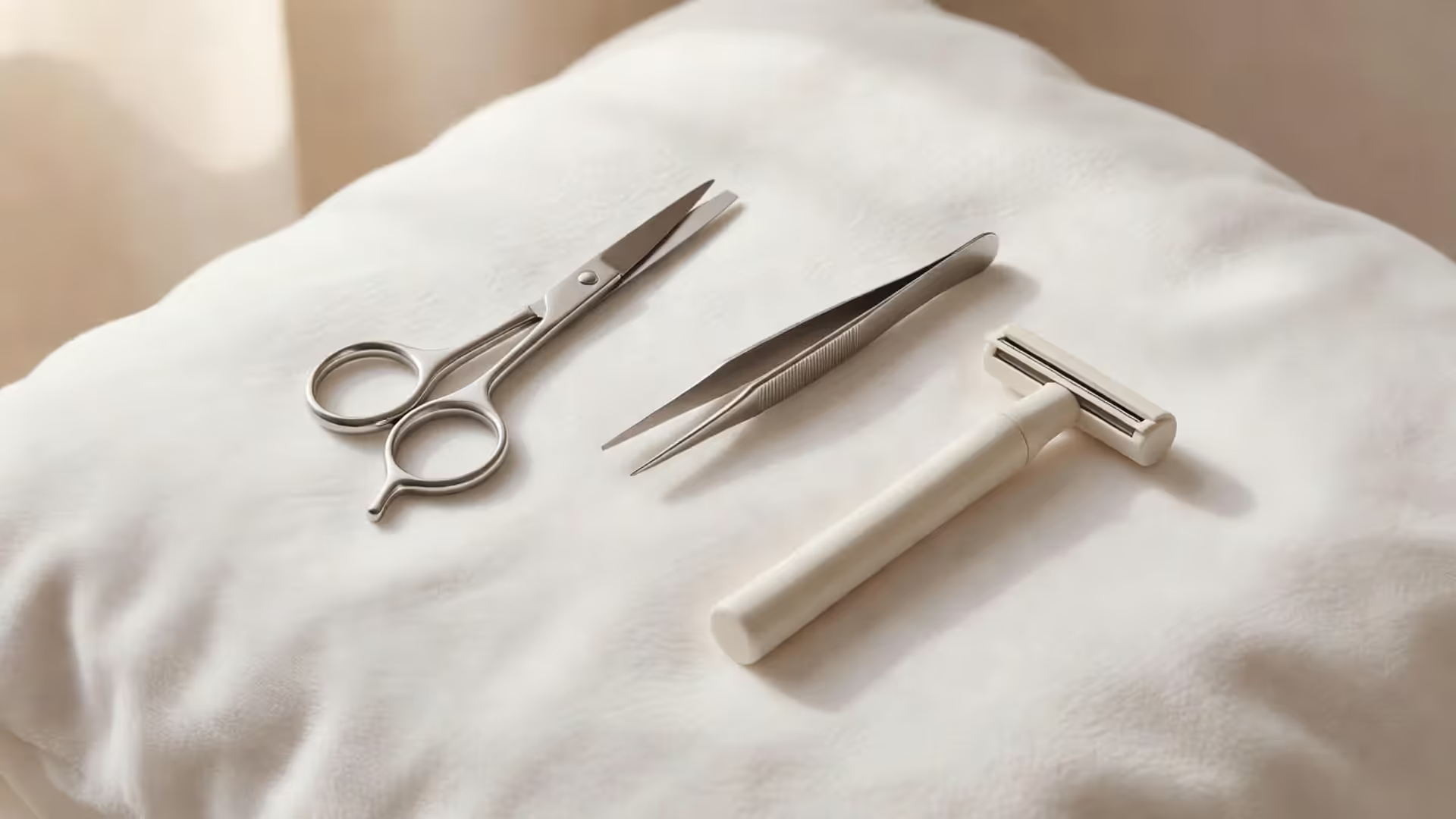
Trimming doesn't remove hair at the root, so there's no risk of ingrown hairs, follicle irritation, or infection. You're just shortening the hair until it's not visible. Use small, sharp scissors — nail scissors or facial hair scissors work well — and trim dry hair in good lighting. Results last a few days to a week. Not glamorous, but genuinely safe.
This is the best starting point if you've never removed nipple hair before or if your skin tends to react to most products.
Tweezing and Plucking
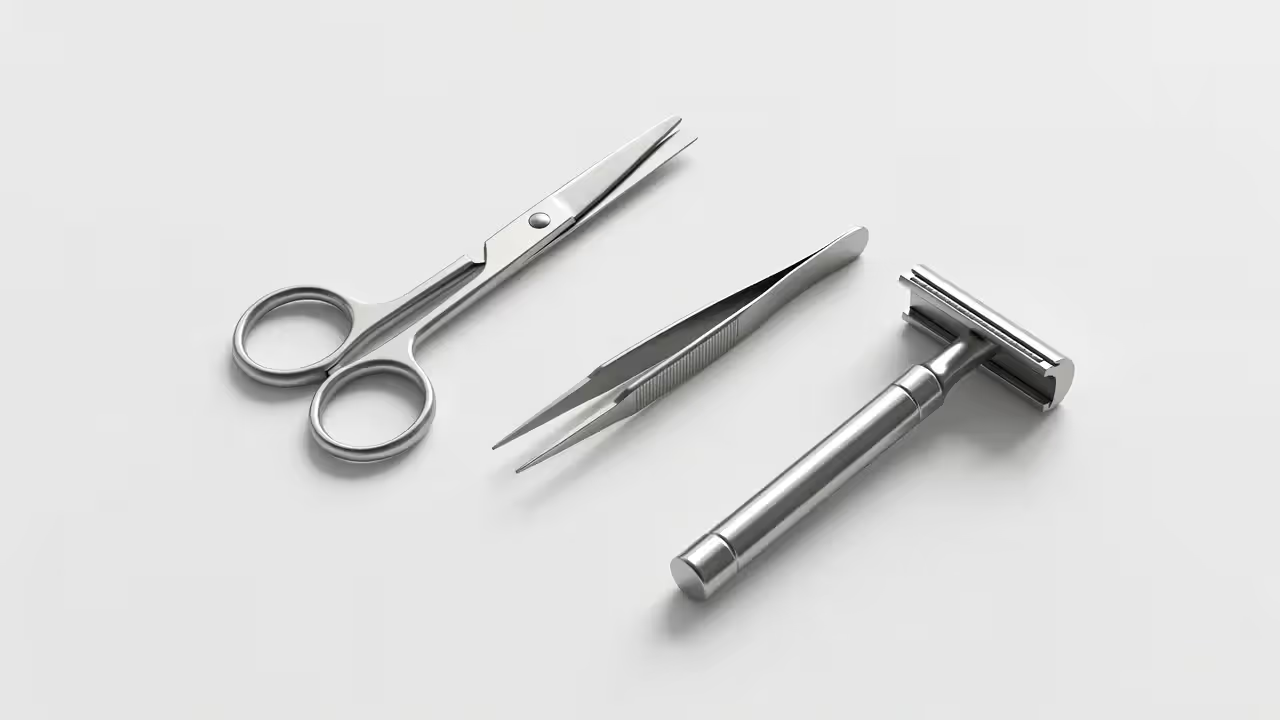
Tweezing pulls the hair from the root, so results last longer — typically two to four weeks. The downside is that it can cause ingrown hairs, especially if the hair is coarse. Always tweeze on clean skin, pull in the direction of hair growth, and avoid going over the same spot repeatedly. Redness is normal and usually fades within an hour or two.
One counterintuitive point: tweezing feels more precise than shaving, but it actually carries a higher infection risk if you're not using sanitized tools. Wipe your tweezers with rubbing alcohol before and after.
Shaving Around the Areola
Shaving works, but it requires care. Use a fresh, single-blade razor — multi-blade razors are more likely to cause irritation on curved, sensitive skin. Apply a fragrance-free shaving gel or just plain water. Shave in short, gentle strokes following the direction of hair growth. Rinse with cool water and skip any alcohol-based aftershave.
Results last one to three days before stubble appears. The biggest risk here is nicks, especially given the uneven terrain around the areola. Go slow.
Author: Julian Crestwell;
Source: juneoils.com
Longer-Lasting Removal Options Worth Considering
If you're tired of maintaining a weekly routine, there are longer-lasting options. These fall into the professional category and cost more upfront, but the results are significantly more durable.
Laser Hair Removal on Sensitive Skin
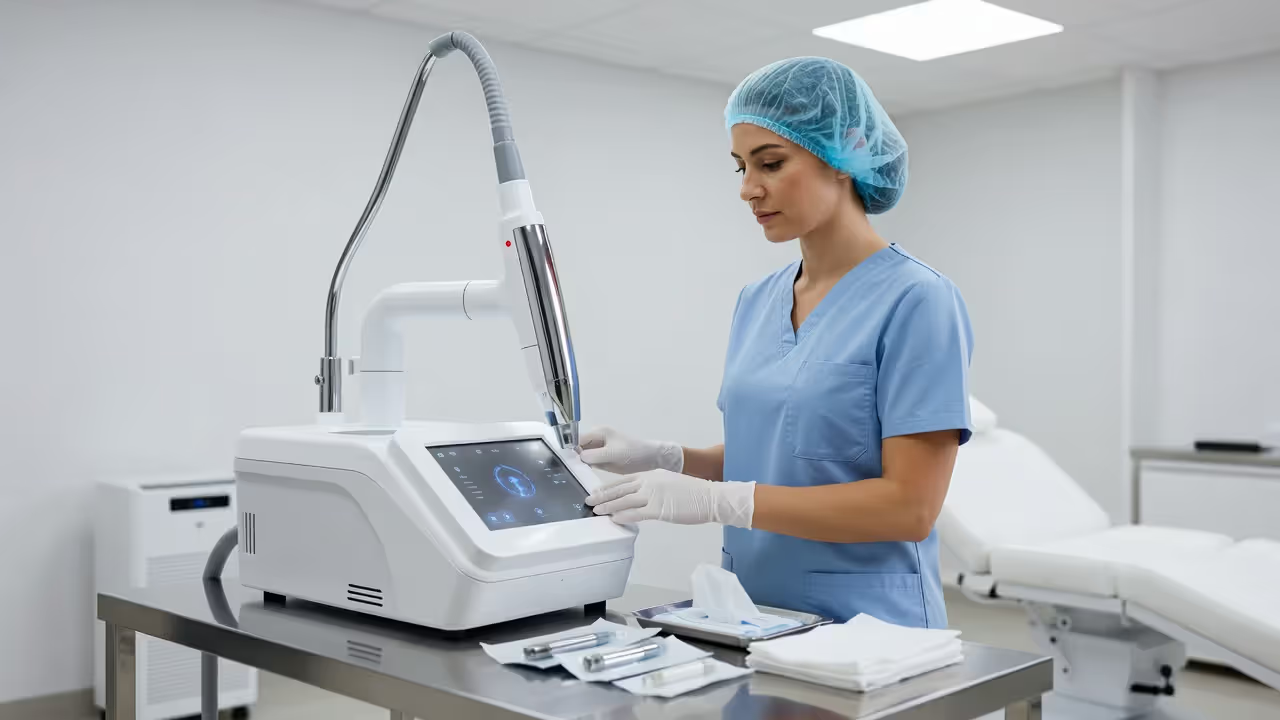
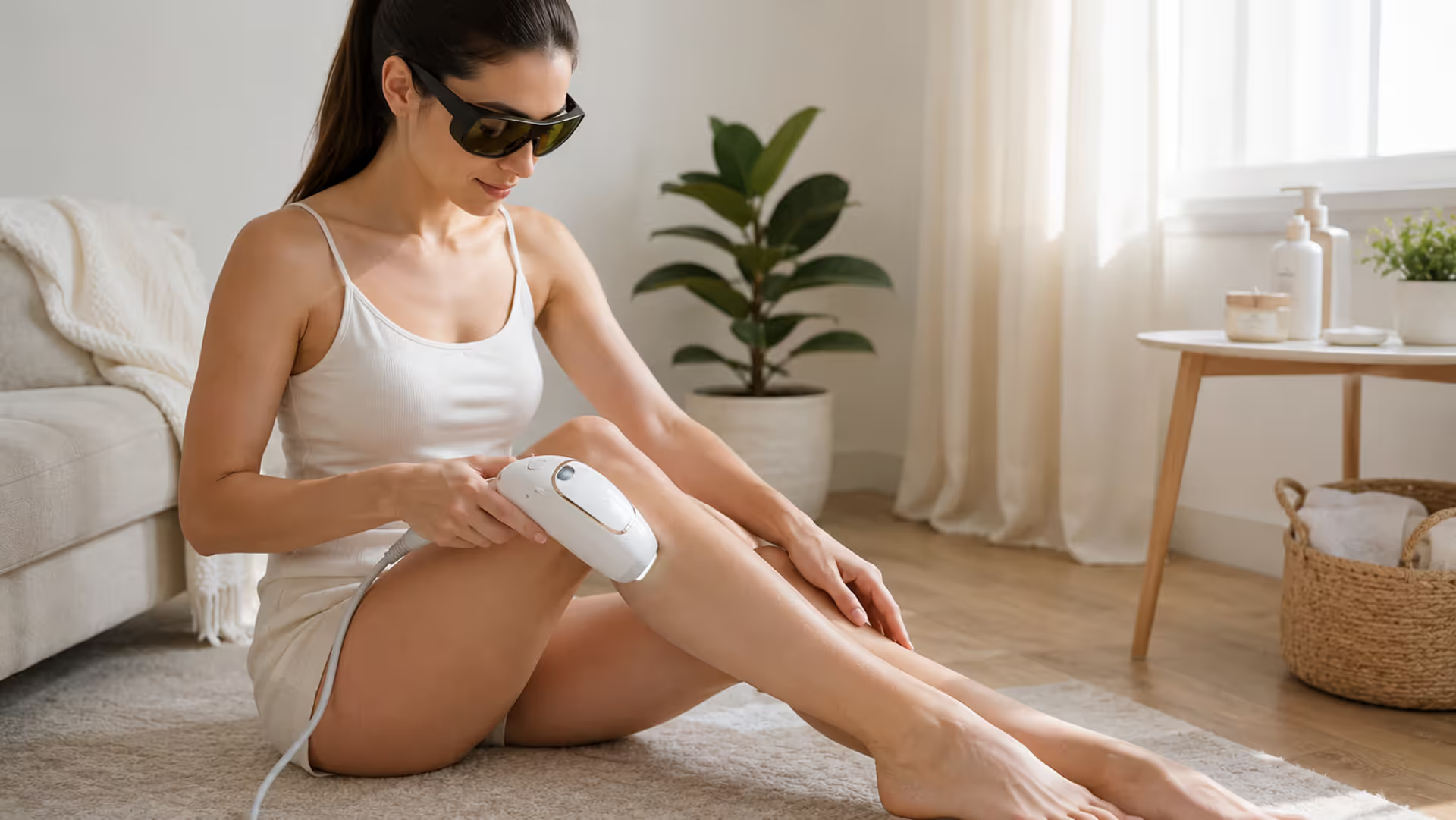
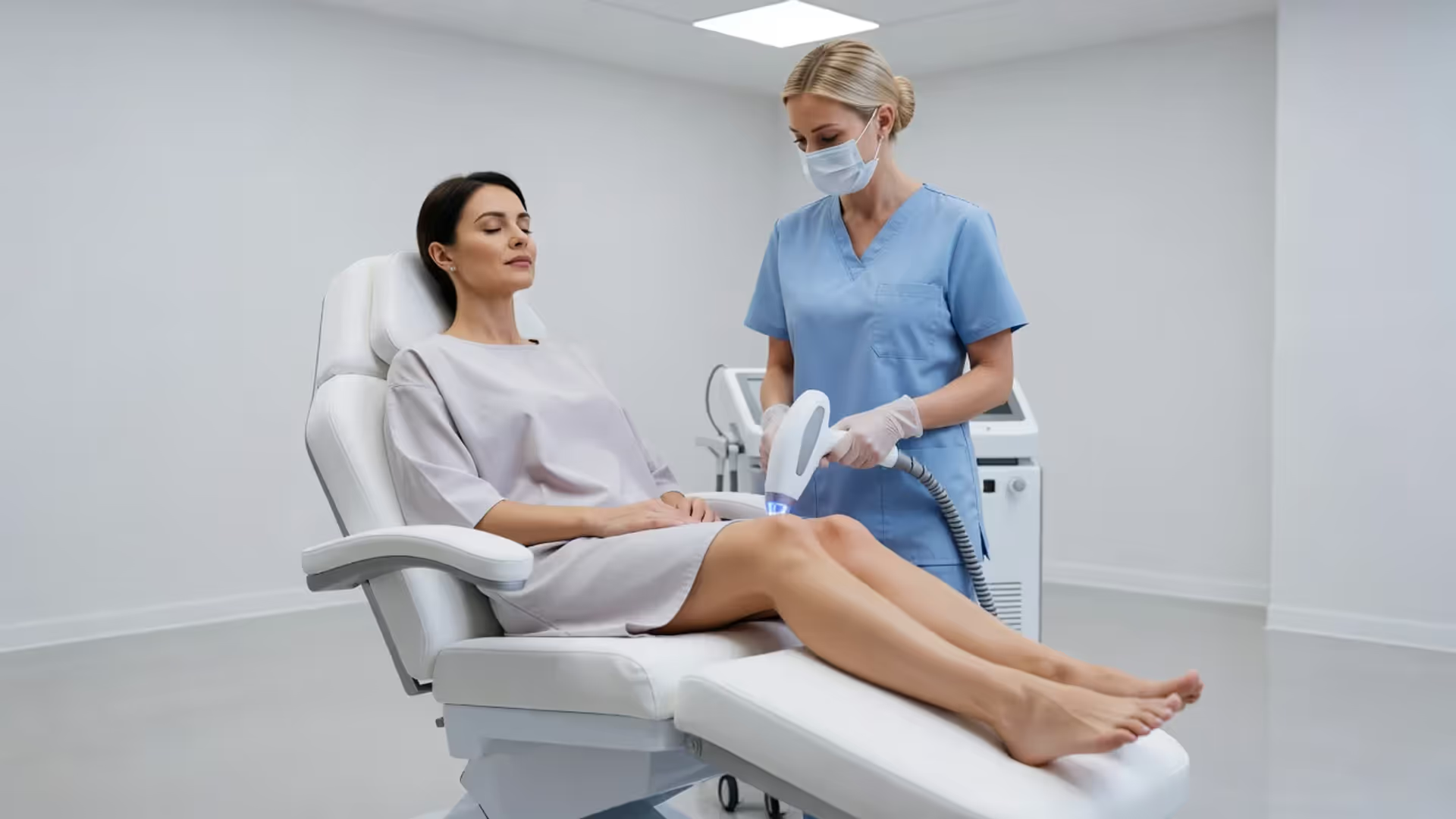
Laser hair removal targets the pigment in hair follicles, damaging them enough to slow or stop regrowth. On the nipple area, it's considered safe when performed by a licensed professional using appropriate settings for sensitive skin. Most people need six to eight sessions spaced four to six weeks apart. After that, hair is typically reduced by 70–90%.
The catch: laser works best on dark hair against light skin. If you have light hair or darker skin tones, results vary, and you'll want a provider experienced with your specific skin type. Always do a patch test first.
Electrolysis for Permanent Results
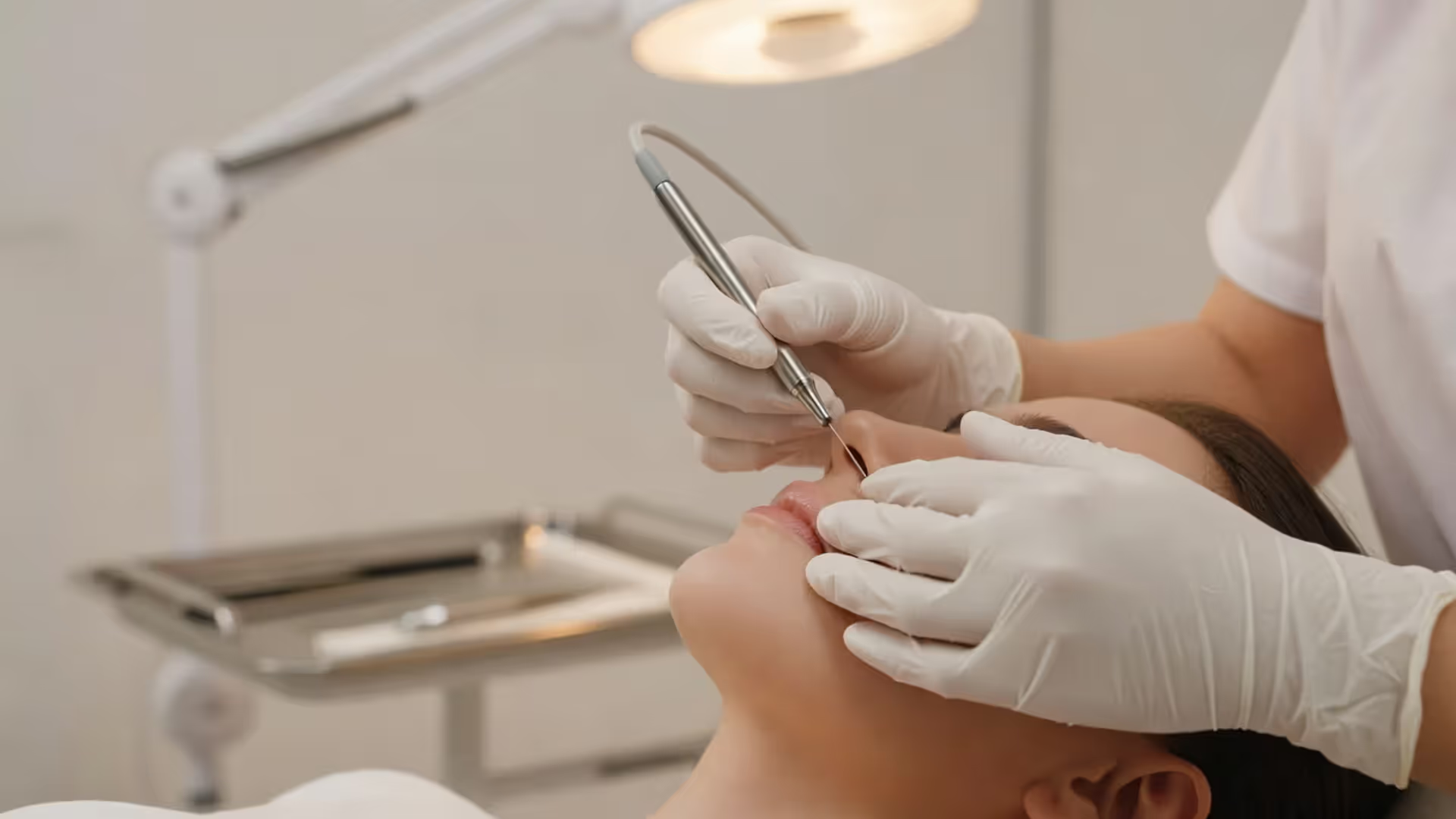
Electrolysis is the only FDA-recognized permanent hair removal method. It uses a tiny probe inserted into each follicle to deliver an electrical current that destroys the root. It's slower than laser — each hair is treated individually — but it works on all hair colors and skin tones.
For a small area like the nipple, a full treatment series might take 10–15 sessions. Expect mild discomfort and some temporary redness. The cost ranges from $30 to $100 per session depending on location and provider.
Removing Facial and Upper Lip Hair Using Similar Natural Approaches
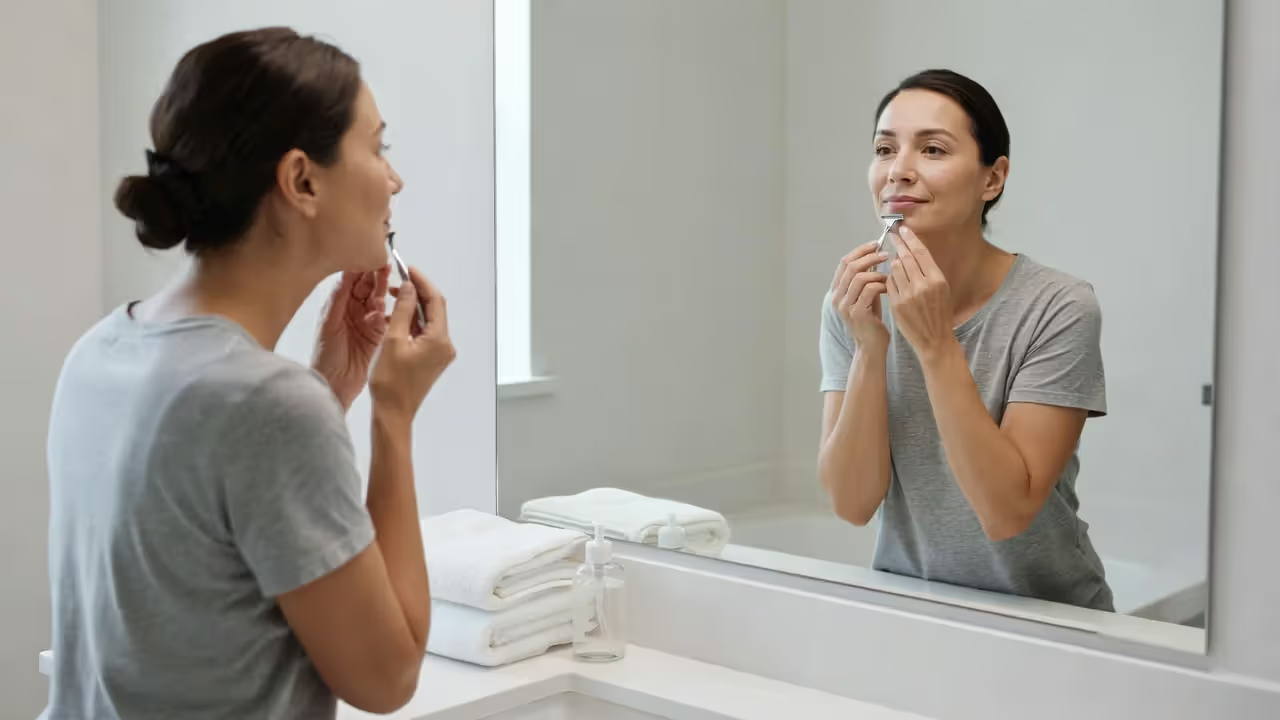
Many of the same principles that apply to nipple hair removal translate directly to facial areas. If you're figuring out how to remove upper lip hair at home, trimming and tweezing work just as well — and the same sensitivity rules apply. The upper lip skin is thin, prone to redness, and doesn't respond well to harsh chemicals.
For removing facial hair naturally, threading is one of the most popular options in the US. It uses a twisted cotton thread to pull multiple hairs at once — precise, chemical-free, and relatively gentle. You can learn to do it at home, though the learning curve is real. Dermaplaning (using a small facial razor) is another approach that's gained popularity; it removes fine facial hair along with dead skin cells.
A before/after worth noting: many people who switch from waxing their upper lip to threading report significantly less redness and fewer breakouts within the first month. The method matters as much as the area.
Author: Julian Crestwell;
Source: juneoils.com
Mistakes to Avoid When Removing Hair in Sensitive Areas
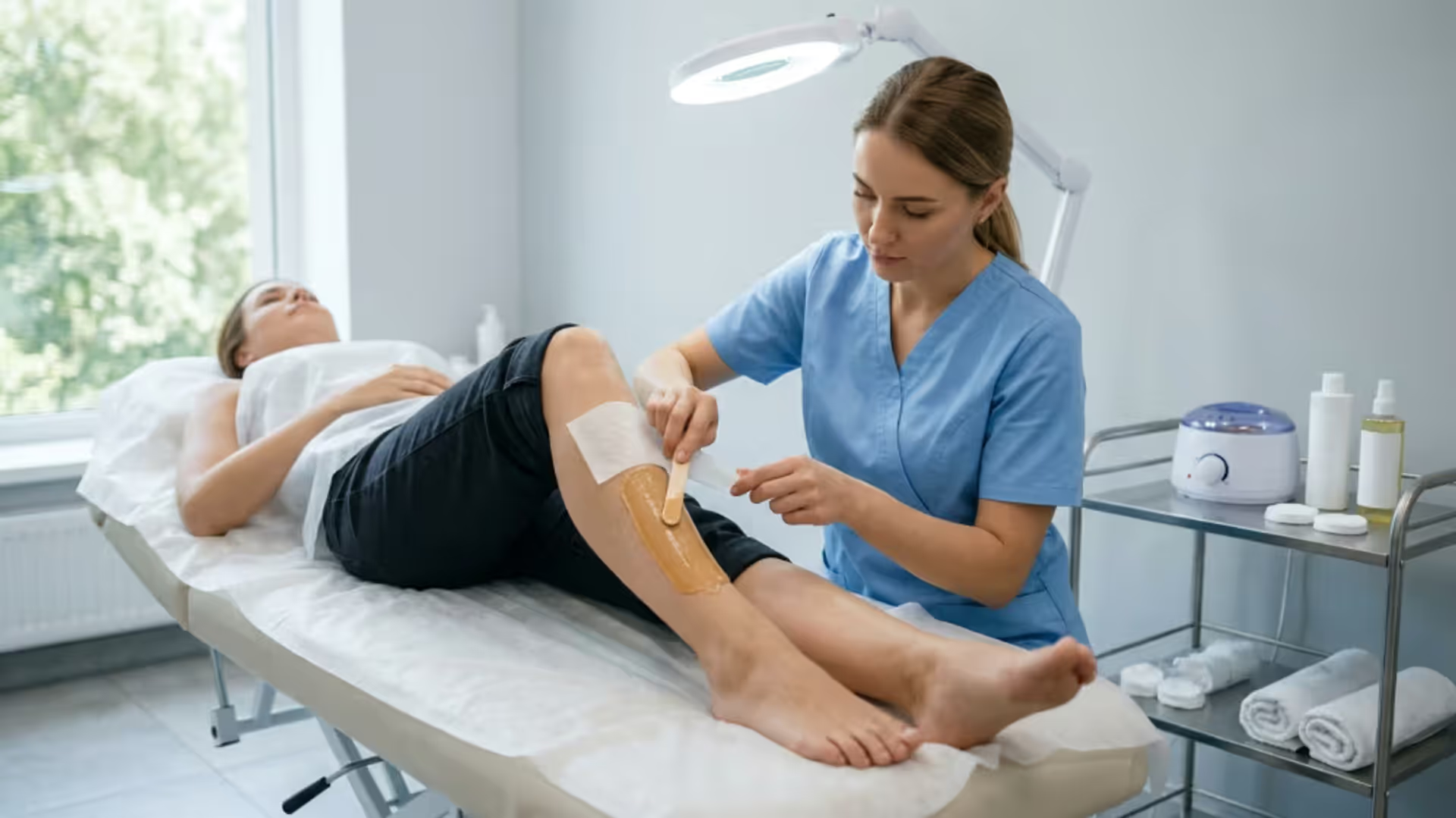
Waxing the nipple area is probably the most common mistake. Hot wax can burn the delicate skin around the areola, and the pulling action can cause bruising or broken skin. Even cold wax strips carry significant risk here. Skip it entirely.
Using depilatory creams (like Nair) on or near the areola is another one to avoid. These products work by dissolving the hair shaft with chemicals — strong enough to irritate or chemically burn thin skin. The label says to do a patch test, but even a successful patch test doesn't guarantee safety on the areola specifically.
And don't ignore ingrown hairs. If you tweeze or shave regularly, you may develop them. An ingrown hair that gets infected can turn into a painful cyst. If you notice a red, swollen bump that doesn't resolve in a week, see a doctor rather than trying to extract it yourself.
Comparison of Nipple Hair Removal Methods
Nipple Hair Removal Methods Compared
| Method | At-Home or Professional | Average Cost | Pain Level (1–5) | How Long Results Last | Key Risk |
| Trimming | At-home | $5–$15 (scissors) | 1 | 3–7 days | None significant |
| Tweezing | At-home | $5–$20 (tweezers) | 2 | 2–4 weeks | Ingrown hairs, infection |
| Shaving | At-home | $5–$15 (razor) | 1 | 1–3 days | Nicks, irritation |
| Laser hair removal | Professional | $150–$400/session | 3 | Months to permanent | Burns, pigment changes |
| Electrolysis | Professional | $30–$100/session | 3–4 | Permanent | Scarring if done poorly |
| Waxing | Either (not recommended) | $10–$50 | 4 | 3–6 weeks | Burns, skin damage |
Author: Julian Crestwell;
Source: juneoils.com
FAQ: Nipple Hair Removal Questions Answered
Managing nipple hair is a personal choice, and there's no right or wrong answer — some people prefer to leave it alone, others want it gone for good. What matters is using methods that match the sensitivity of the area. Start with the lowest-risk option, pay attention to how your skin responds, and don't hesitate to consult a dermatologist if you're unsure. Safe removal is absolutely possible; it just takes a little more care than other body areas.
Related Stories
Read more
Read more

The content on this website is provided for general informational and educational purposes only. It is intended to explain concepts related to cosmetology, hair care, skincare, aesthetic treatments, and beauty procedures.
All information on this website, including articles, guides, and examples, is presented for general educational purposes. Results may vary depending on individual skin type, hair type, or treatment protocols.
This website does not provide professional medical, dermatological, or cosmetic services, and the information presented should not be used as a substitute for consultation with licensed aestheticians, dermatologists, or medical professionals.
The website and its authors are not responsible for any errors or omissions, or for any outcomes resulting from decisions made based on the information provided on this website.