
What Is an Electrologist and What Do They Actually Do
What Is an Electrologist?

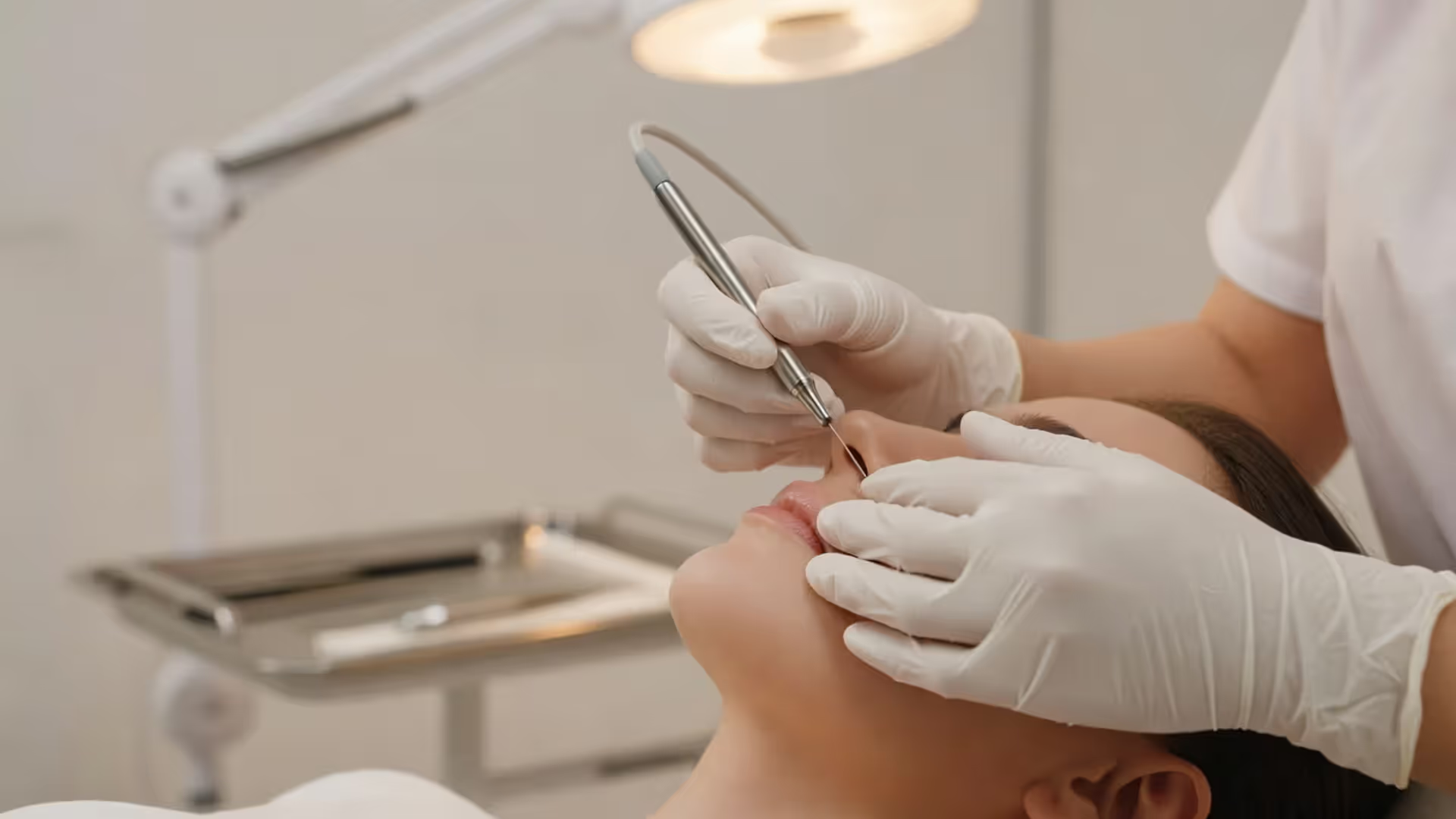
Most people first encounter the word "electrologist" while researching permanent hair removal options — and immediately question whether it describes a real licensed profession or simply a marketing label designed to justify a higher price tag. The profession is entirely legitimate. An electrologist is a state-licensed specialist whose entire scope of practice centers on one thing: electrolysis. That focus matters because electrolysis stands alone as the only hair removal technique the FDA officially classifies as genuinely permanent. Electrologists occupy a distinct professional category — separate from estheticians, separate from dermatologists — with dedicated training programs, licensing examinations, and legal protections in most states that restrict the procedure to credentialed practitioners only. Before booking a first appointment, understanding exactly who these professionals are and what the treatment actually involves is worth your time.
How Electrolysis Hair Removal Works at the Follicle Level
Beneath all the clinical terminology, the fundamental mechanic is straightforward: a hair follicle gets permanently disabled so it can no longer produce hair. But grasping how does electrolysis hair removal work in a meaningful way requires a closer look at what's happening below the skin's surface.
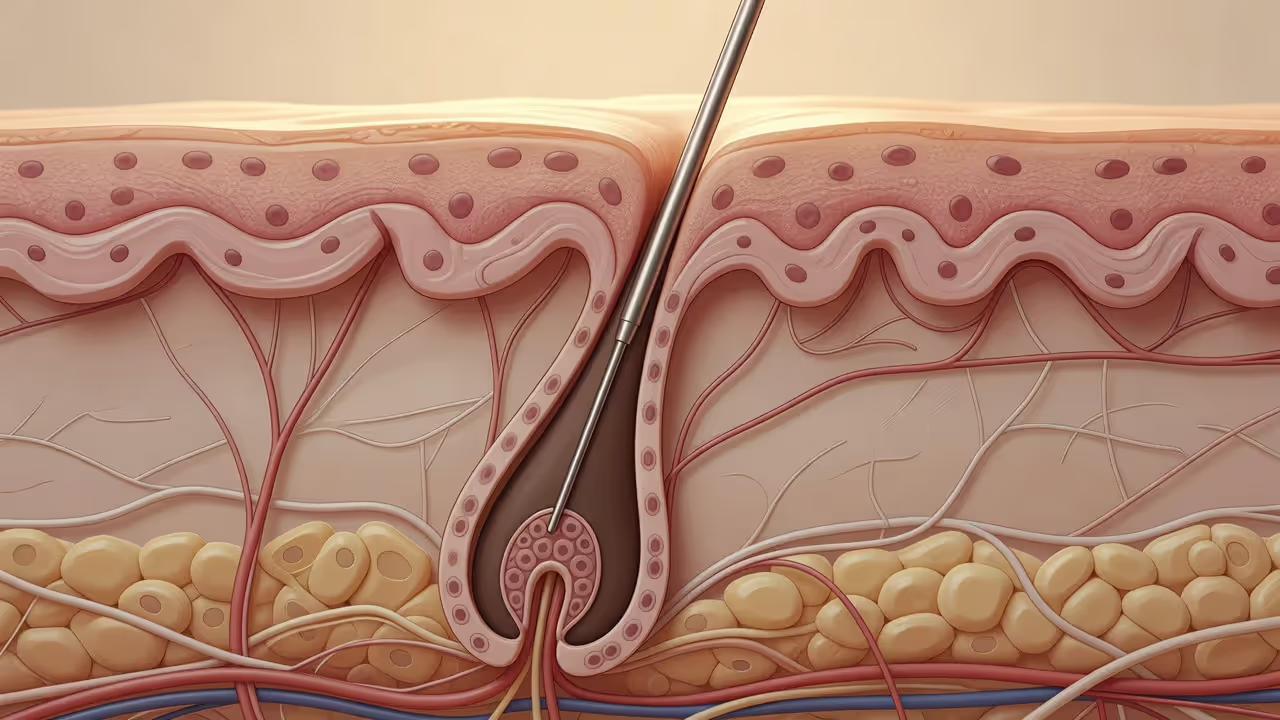
Each hair on your body originates inside a follicle — a narrow, tube-shaped pocket embedded within the dermis. At the base of that pocket sits the dermal papilla, a concentrated cluster of cells responsible for delivering blood supply and nutrients to the developing hair shaft. When that papilla is fully disabled, the follicle loses its ability to generate new hair indefinitely. That cellular cluster is the precise target of every electrolysis treatment.
To reach it, the electrologist inserts an ultra-thin metal probe — comparable in diameter to a single hair strand — directly into the follicle's natural opening. No puncturing occurs; the probe simply follows the channel that already exists. Once the probe reaches the base, a controlled electrical current is delivered in a brief pulse. That current disables the papilla, and the treated hair is then lifted free with tweezers. The process repeats, follicle by follicle, across the entire treatment area.
The Three Types of Electrolysis Methods Explained
Three distinct delivery methods exist, each using electrical energy differently to achieve follicle destruction.
Galvanic relies on electrochemistry rather than heat. A steady low-level direct current travels through the probe and interacts with the fluid naturally present in surrounding tissue. The reaction produces sodium hydroxide — a caustic compound that chemically breaks down the cellular structure around the papilla. Galvanic is exceptionally thorough, especially on dense or coarse hair, but it works slowly. Treating a single follicle can require several seconds of current exposure.
Thermolysis — also referred to as shortwave or radio-frequency electrolysis — bypasses chemistry entirely and works through rapid heat generation. An alternating current causes water molecules within the follicle to vibrate at high speed, producing localized thermal energy that damages the papilla. Each probe insertion takes a fraction of a second, which explains why thermolysis has become the standard approach in most US practices. When a session involves treating hundreds of individual follicles, speed becomes a real clinical advantage.
Blend combines both mechanisms in a single delivery. The heat generated by thermolysis accelerates the electrochemical activity of the galvanic current, causing the sodium hydroxide to form faster and distribute more evenly through the follicle tissue. Many experienced practitioners favor blend specifically for facial treatments — it captures the thoroughness of galvanic while maintaining the efficiency that thermolysis provides.
Author: Vivienne Ashmore;
Source: juneoils.com
Is Electrolysis Permanent Hair Removal or Just Long-Lasting
This is where electrolysis genuinely pulls away from every competing hair removal technology on the market.
The FDA has specifically designated electrolysis as a method of permanent hair removal — not "long-term reduction," not "significant suppression," but permanent removal. That regulatory language carries real weight, because laser devices, IPL systems, and even aggressive waxing routines can all delay regrowth for extended periods without earning that same classification.
The reason competing technologies fall short comes down to structural destruction. Laser energy targets pigment — it heats the follicle through light absorption, which can miniaturize it and slow production significantly. But follicles that are dormant during treatment, or those carrying minimal pigment, frequently survive the session intact. Electrolysis doesn't rely on pigment contrast at all. The electrical current eliminates the papilla through direct tissue interaction, making hair color and skin tone irrelevant to the outcome.
There's an important nuance here that many first-time clients overlook: a single session doesn't permanently clear an entire area, even though the method itself is permanent. Hair growth cycles through three phases — the active growth stage (anagen), a brief transitional window (catagen), and a dormant resting period (telogen). Electrolysis achieves its most complete follicle destruction when a hair is actively growing, because that's when the papilla sits closest to the probe tip and remains most vulnerable. Any follicle resting quietly during your appointment may survive that session and require treatment during a future visit when it re-enters active growth.
The permanence is real and FDA-recognized — it simply applies one follicle at a time, which is precisely why multiple sessions across several months are part of the process.
Electrolysis remains the only FDA-recognized method of permanent hair removal, making it a reliable long-term option for patients of all skin tones and hair types — something no other technology can currently claim.— Richards Josie
Electrolysis vs Laser Hair Removal — Key Differences
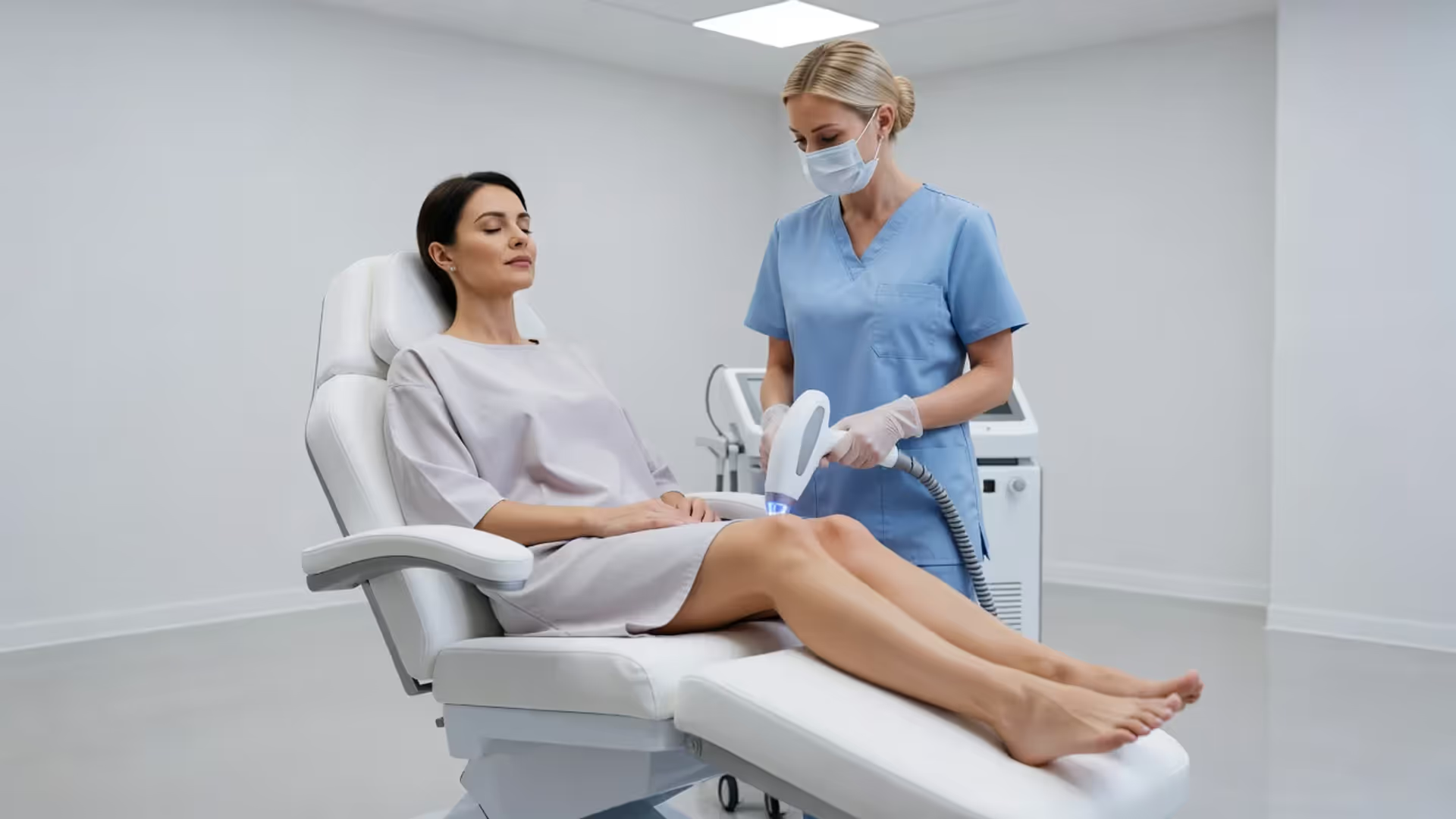
Both treatments frequently get grouped under the same "permanent hair removal" umbrella in everyday conversation, but they operate on completely different scientific principles, serve different candidate profiles, and produce different long-term outcomes. Treating them as interchangeable before understanding those distinctions is one of the most common reasons people walk away disappointed.
| Comparison Factor | Electrolysis | Laser Hair Removal |
|---|---|---|
| Permanence classification | Complete permanent removal | Permanent reduction — ongoing regrowth expected for many patients |
| FDA regulatory status | Recognized as permanent hair removal | Classified as permanent hair reduction only |
| Average cost per session | $30–$100 for shorter appointments | $150–$500 depending on body area and clinic |
| Skin tone range | Fully compatible across every complexion | Most reliable on light skin with dark, coarse hair |
| Sensation experienced | Brief localized sting or heat pulse at each follicle | Broader snapping or burning sensation across larger surface areas |
| Typical sessions required | 8–18 or more, depending on area and hair density | 6–10 initial sessions with likely periodic maintenance afterward |
The most consequential practical difference between the two methods centers on how each one interacts with hair pigment. Laser devices emit concentrated light that follicles absorb based on their melanin content — the sharper the contrast between dark hair and lighter surrounding skin, the more efficiently the light converts to heat and disables the follicle. Hair that carries little pigment — platinum blonde, silver gray, natural red, or white — simply doesn't absorb enough light energy for the laser to generate meaningful follicle damage. Meanwhile, clients with deeper complexions face an elevated risk of post-treatment pigmentation changes when laser energy scatters into the surrounding skin rather than concentrating in the follicle. Electrolysis sidesteps both of those constraints completely. Electrical current doesn't depend on any color differential — it destroys tissue through chemistry or localized heat regardless of what pigment is or isn't present in the hair shaft.
Cost comparisons require more nuance than a simple per-session price check. Laser sessions appear expensive individually, but each one covers a broad surface area in just a few minutes. Electrolysis is priced by time and advances follicle by follicle, which means the math shifts dramatically depending on what's being treated. For a concentrated area like the upper lip, the total cost of a complete electrolysis course is often quite competitive. For the full back or both legs, the calculation changes considerably in laser's favor. Neither method is categorically more affordable — the right answer depends on the specific area, hair density, and the total number of sessions your situation actually requires.
Author: Vivienne Ashmore;
Source: juneoils.com
What to Expect at an Electrolysis Session
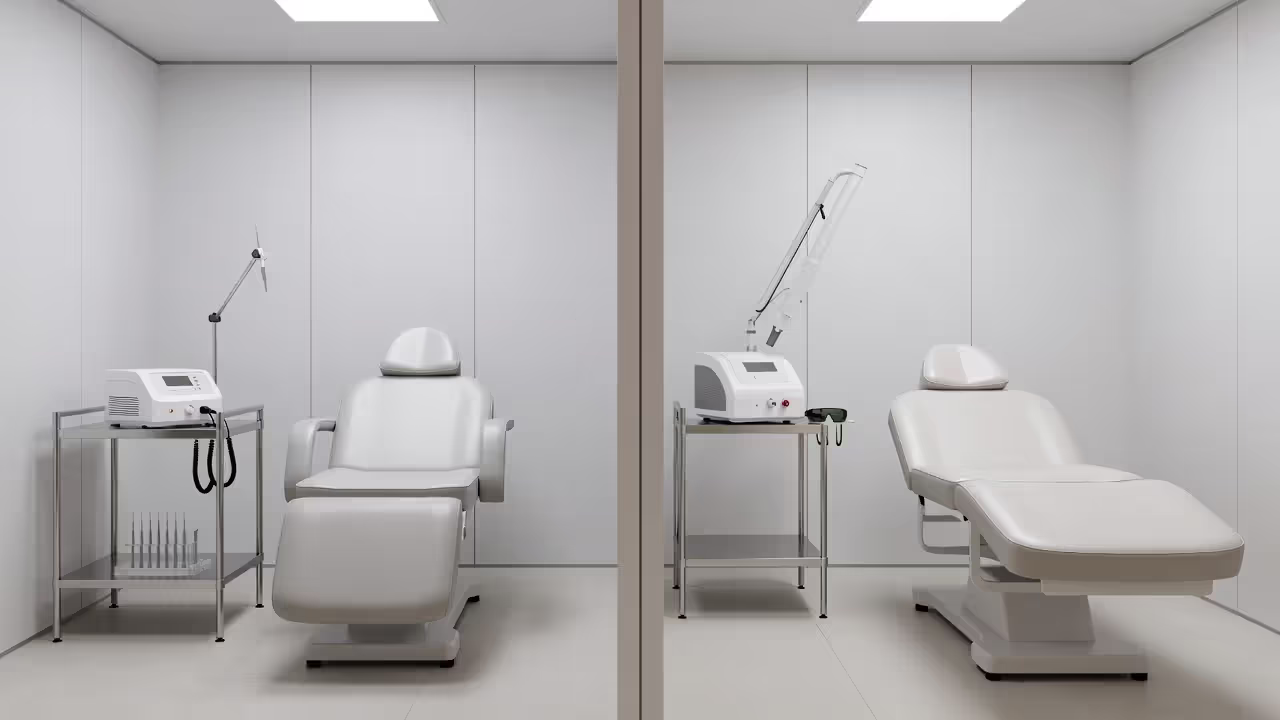
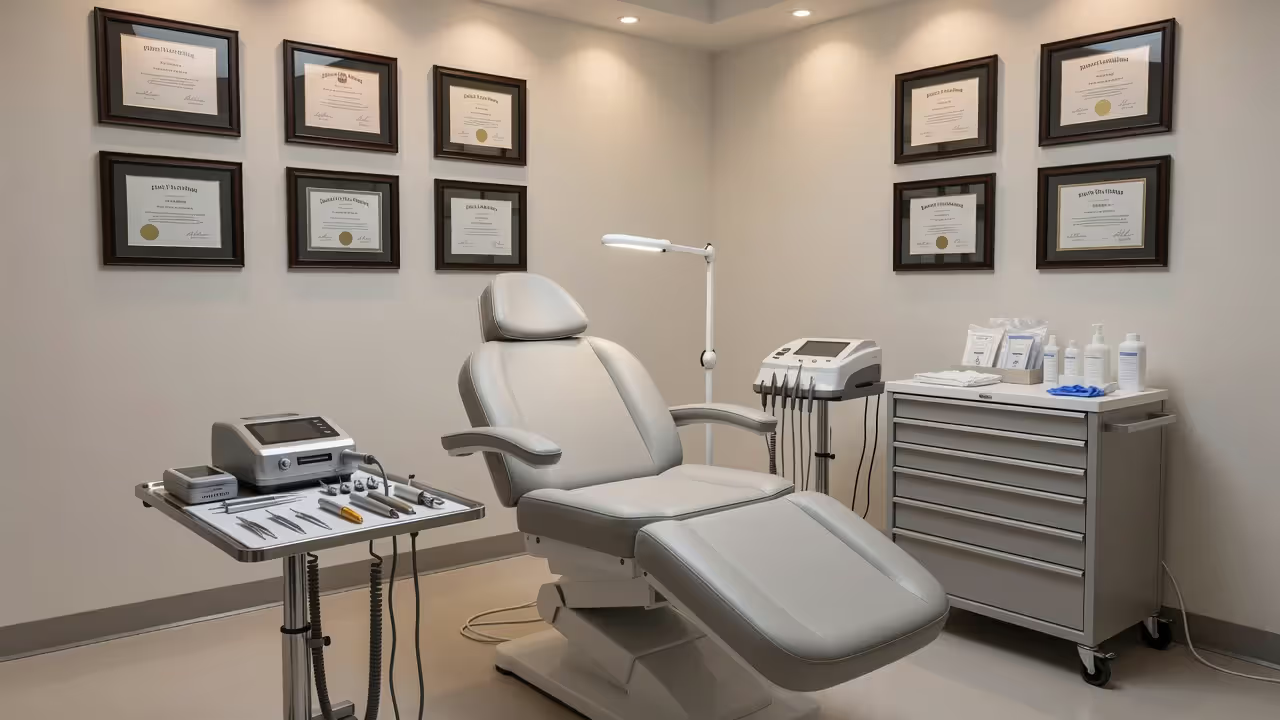
Walking into your first appointment, expect an environment that feels more clinical than a waxing bar but far less formal than a medical office. Most electrology practices consist of a small, well-lit treatment room equipped with a reclining chair or padded table and a high-magnification lamp positioned directly over the work area.
Before any probe touches skin, a thorough intake conversation happens first. A qualified electrologist will review your medical history, ask about current medications, and clarify your treatment goals. Certain medications are directly relevant — isotretinoin, for example, affects skin healing and may require postponing treatment until a safe window has passed. Blood thinners, photosensitizing drugs, and some topical prescriptions can also influence how the skin responds. This intake process isn't procedural formality; it shapes the method selected and how aggressively the current is calibrated.
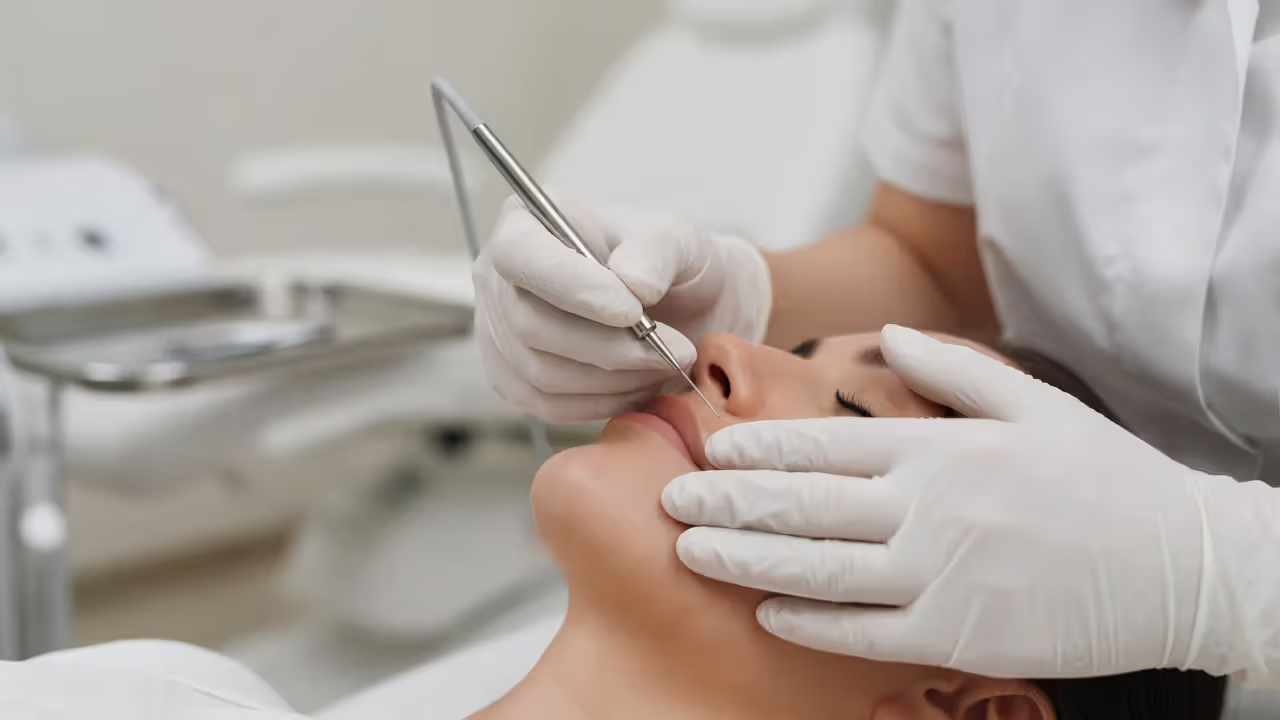
Once treatment begins, the electrologist uses a magnifying lamp or wears optical loupes to visualize individual follicles — particularly important for facial work, where follicles are densely packed and precise probe placement determines whether the papilla gets fully targeted. The probe enters the follicle, a current pulse is delivered, and the treated hair is lifted free. Then the next follicle. The rhythm is methodical and continuous.
The sensation varies by person and location. Common descriptions range from a quick pinprick to a brief flash of warmth — rarely sharp or prolonged, but consistently noticeable. Areas with thinner, more sensitive skin — the upper lip, the underside of the chin, and the inner bikini line — tend to produce stronger reactions than areas like the forearms or outer thighs. Some clients find sessions entirely tolerable from the first appointment. Others find specific zones genuinely uncomfortable. Either experience is normal, and each individual current delivery lasts under a second with thermolysis.
After the session, the treated skin typically shows some redness and may develop small temporary welts around individual follicle openings. This response is expected and generally clears within a few hours for most people. Applying a cold compress immediately after and keeping the area out of direct sun for the following 24 hours helps the skin settle more quickly.
How to Prepare for Your First Appointment
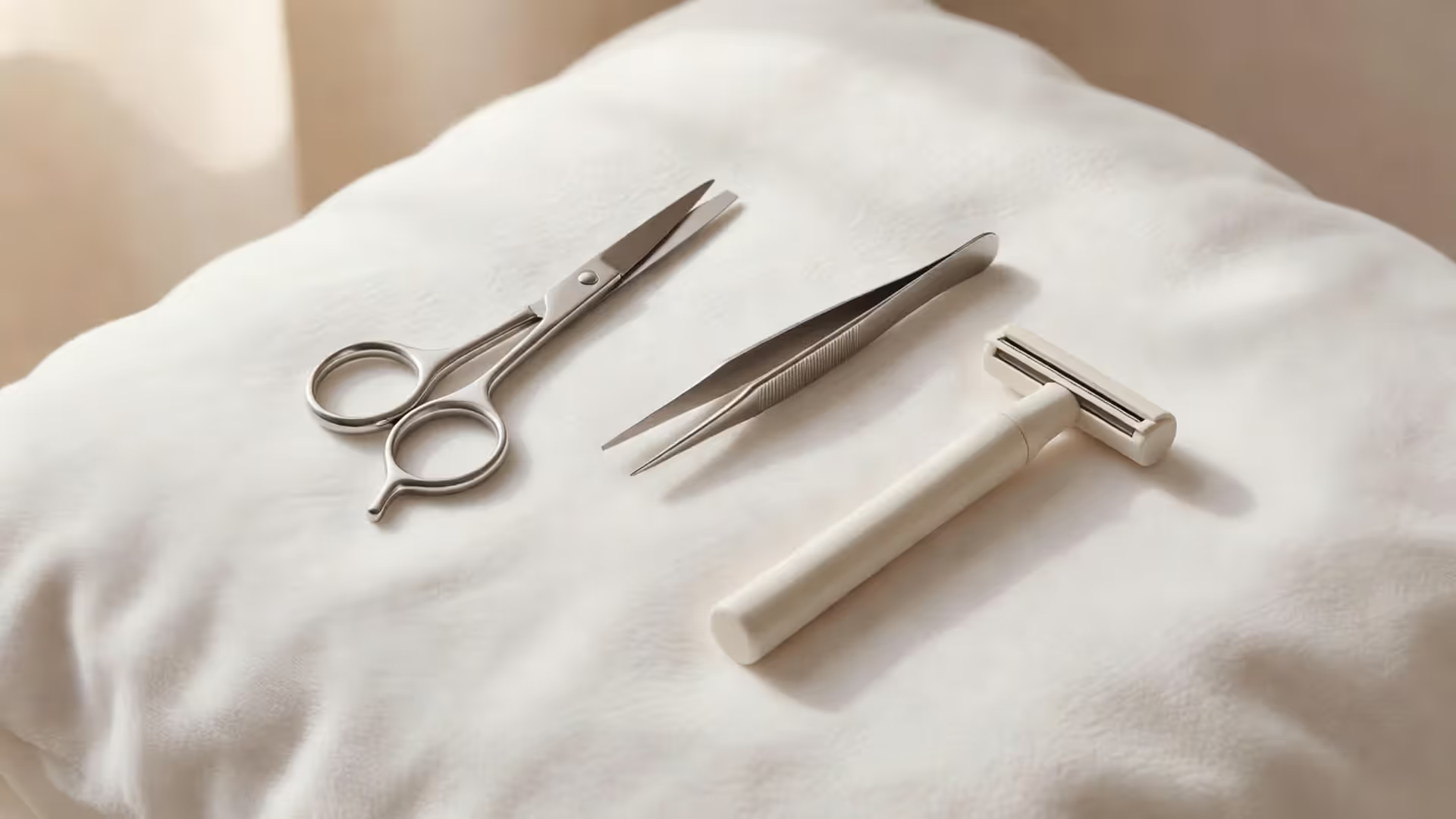
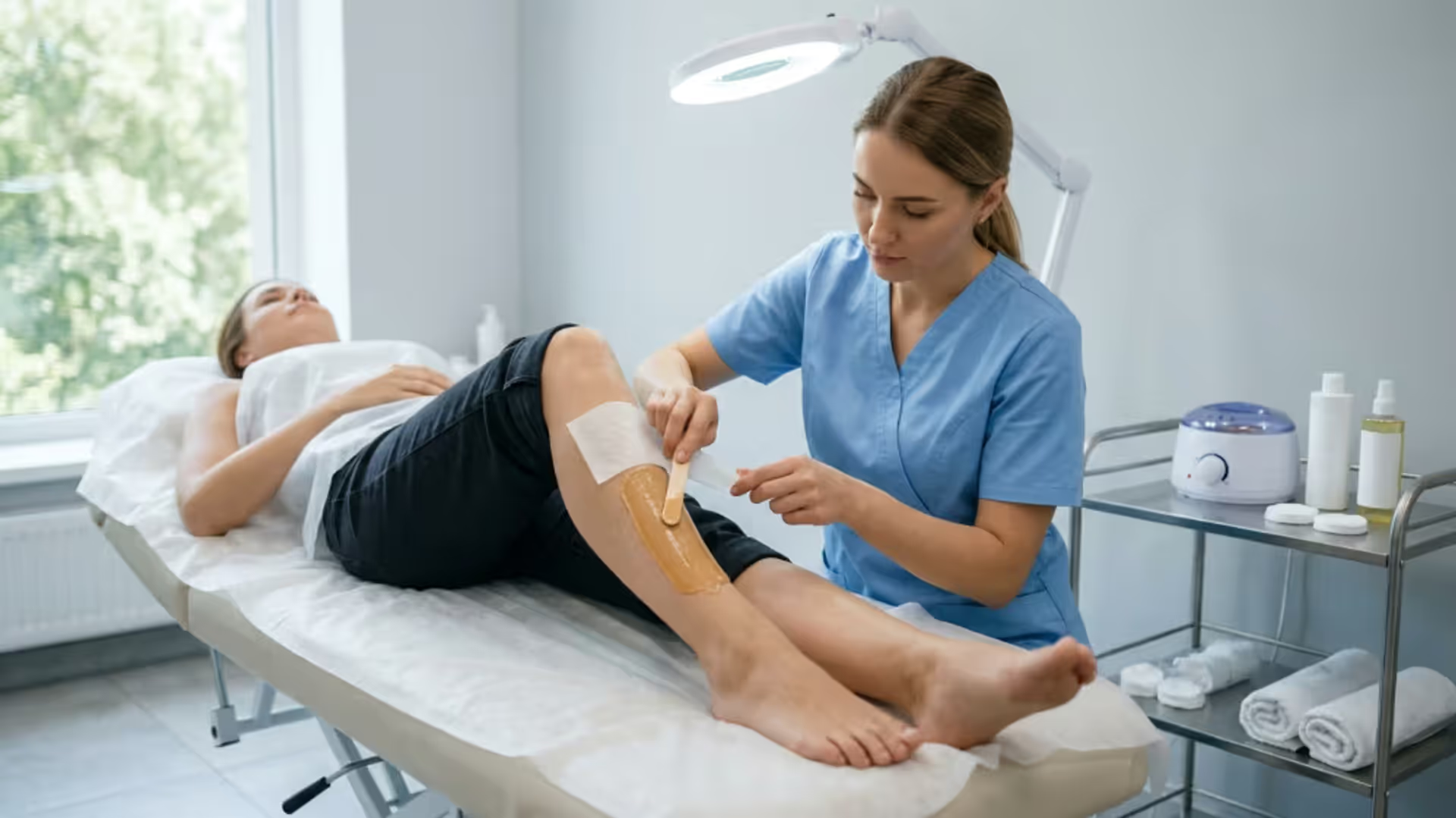
Stop tweezing and waxing at least two weeks before your scheduled session. Both methods pull the hair shaft out from the root, removing the physical structure the electrologist needs to guide the probe to the papilla. Without hair present inside the follicle, accurate probe placement becomes impossible. Shaving is perfectly acceptable and won't interfere with the treatment at all.
Arrive with clean, product-free skin on the area being treated — no thick moisturizers, serums, or makeup. If you have a low pain threshold or are treating a particularly sensitive area, ask your electrologist whether a topical numbing cream is appropriate and how far in advance to apply it. Caffeine has a measurable effect on skin sensitivity and nerve reactivity, so skipping your usual pre-appointment coffee can make a noticeable difference in how the session feels. Wear clothing that allows easy, unrestricted access to the treatment area without requiring awkward positioning.
Author: Vivienne Ashmore;
Source: juneoils.com
How Many Sessions of Electrolysis Are Needed for the Face
Once people understand the mechanics of how electrolysis works, session count becomes the immediate follow-up question. No ethical electrologist will hand you a definitive number at the first consultation without evaluating your hair density, growth patterns, and treatment history — but there are realistic ranges that give you a useful baseline.
For facial areas, most clients work through somewhere between 8 and 18 sessions before reaching full clearance. That window is wide because the variables genuinely drive significant differences in outcome:
- Hair density — A client dealing with a handful of scattered chin hairs requires far fewer total follicle treatments than someone with dense, continuous coverage across the jaw, upper lip, and neck combined.
- Hair growth phase timing — Because follicles in their resting phase don't respond as reliably during treatment, sessions must be spaced to intercept different follicle populations as they cycle back into active growth. Booking appointments more frequently than the biology allows doesn't accelerate final clearance.
- Hormonal influences — Conditions including PCOS, thyroid dysfunction, or the hormonal fluctuations of perimenopause can continuously push dormant follicles into active growth, meaning new hair keeps appearing even as existing follicles are being successfully cleared.
- Appointment consistency — Skipping sessions or taking extended breaks doesn't erase progress already made, but it does allow more resting follicles to re-enter the active growth phase simultaneously, which spreads the remaining work across additional appointments.
Early in a treatment course, sessions are typically scheduled one to two weeks apart to catch as many actively growing follicles as possible. As hair thins progressively, visit frequency decreases — spacing shifts to four weeks, then six, then occasional follow-up checks. Most clients notice a visible reduction after their fourth or fifth session, but reaching genuine full clearance across a facial area generally takes 12 to 18 months of consistent treatment. That timeline reflects the biology of hair growth cycles rather than any limitation of the technology itself.
How to Choose a Licensed Electrologist in Your State
Electrology licensing requirements across the United States are not standardized. Some states mandate extensive supervised clinical hours, written examinations, practical skills assessments, and ongoing renewal requirements. Others apply lighter oversight. A small number of states have no regulatory framework for the profession at all — meaning someone with minimal training could legally offer electrolysis services without any formal credential. Knowing where your state falls on that spectrum is the first step in protecting yourself as a consumer.
The American Electrology Association maintains a searchable directory of member practitioners and administers voluntary certification standards that frequently exceed minimum state requirements. AEA-certified electrologists have completed additional coursework and committed to a defined code of professional practice. Membership doesn't automatically guarantee quality, but it provides a meaningful baseline that basic state licensing alone may not.
When evaluating a specific practitioner, ask direct, concrete questions rather than relying on general impressions:
- What is your state license number, and where can I verify it independently?
- Which electrolysis method do you use most often, and what makes it the right choice for my particular hair type and skin?
- What proportion of your practice involves facial hair treatment, and for how many years have you been practicing?
- Do you have before-and-after documentation or references from clients with similar hair and skin characteristics?
Certain warning signs are worth treating as dealbreakers: any practitioner who guarantees clearance in a specific number of sessions before conducting a proper assessment, equipment that appears dated or poorly maintained, inability to answer straightforward questions about treatment methodology, or clinics that list electrolysis as one of twenty services with no apparent specialization.
Pricing alone reveals very little about practitioner quality. Independent electrologists operating smaller practices often charge rates that compare favorably to franchise wellness chains — not because their skill is lower, but because their overhead structure is different. Credentials, demonstrated experience, and the quality of their communication during your consultation are far more reliable indicators of what your results will look like than the hourly rate posted on their website.
Author: Vivienne Ashmore;
Source: juneoils.com
FAQ: Common Questions About Electrologists and Electrolysis
Electrolysis isn't the quickest path to hair-free skin, and the per-session investment requires realistic budgeting. But for anyone whose goal is results that hold permanently — not just "substantially reduced" or "significantly slower regrowth" — it remains the only method that delivers that outcome across every skin tone, every hair color, and every body area. Pairing a qualified, licensed electrologist with honest expectations about the treatment timeline gives you the strongest possible foundation for actually getting there.
Related Stories

Read more
Read more

The content on this website is provided for general informational and educational purposes only. It is intended to explain concepts related to cosmetology, hair care, skincare, aesthetic treatments, and beauty procedures.
All information on this website, including articles, guides, and examples, is presented for general educational purposes. Results may vary depending on individual skin type, hair type, or treatment protocols.
This website does not provide professional medical, dermatological, or cosmetic services, and the information presented should not be used as a substitute for consultation with licensed aestheticians, dermatologists, or medical professionals.
The website and its authors are not responsible for any errors or omissions, or for any outcomes resulting from decisions made based on the information provided on this website.