
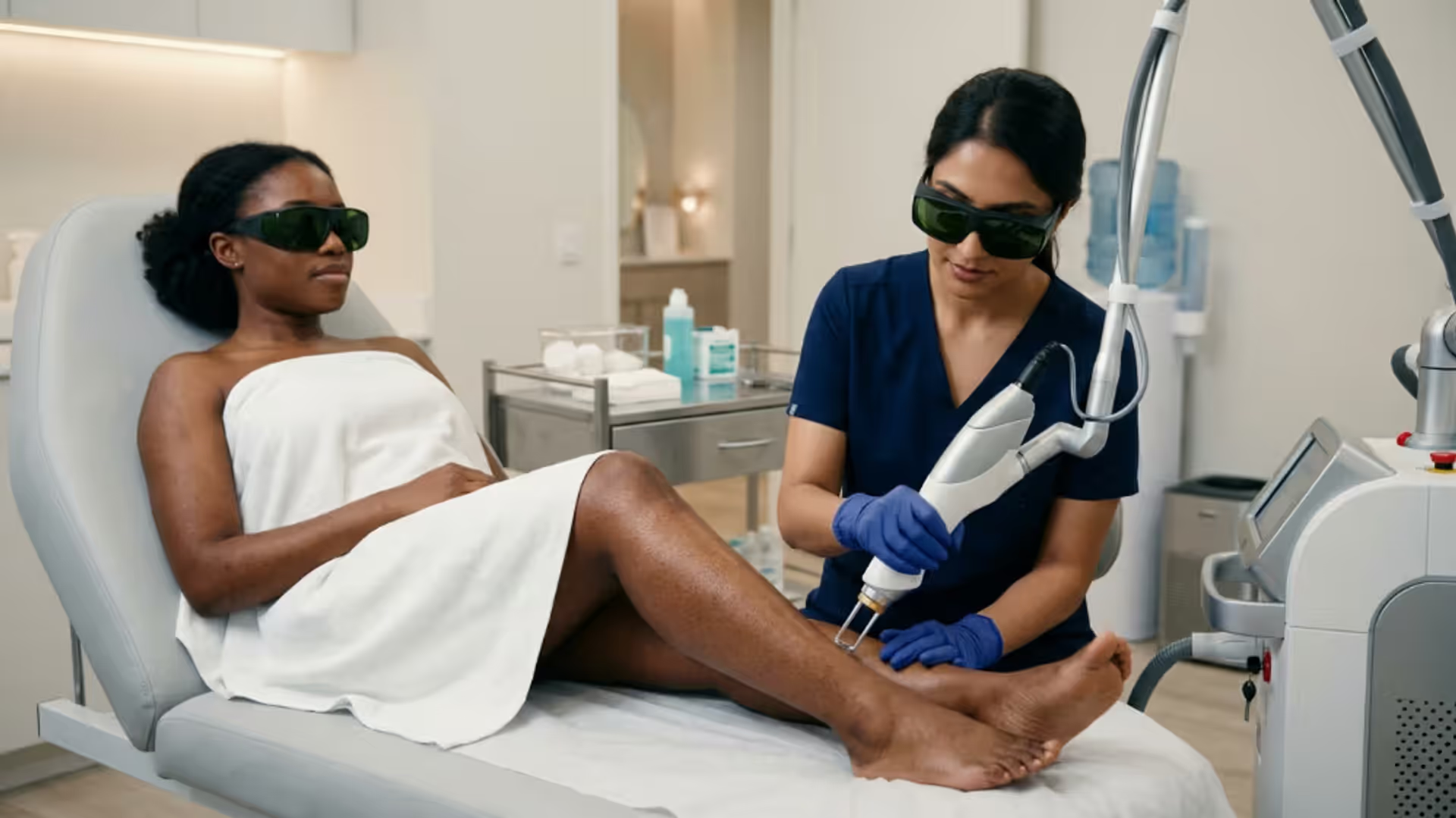
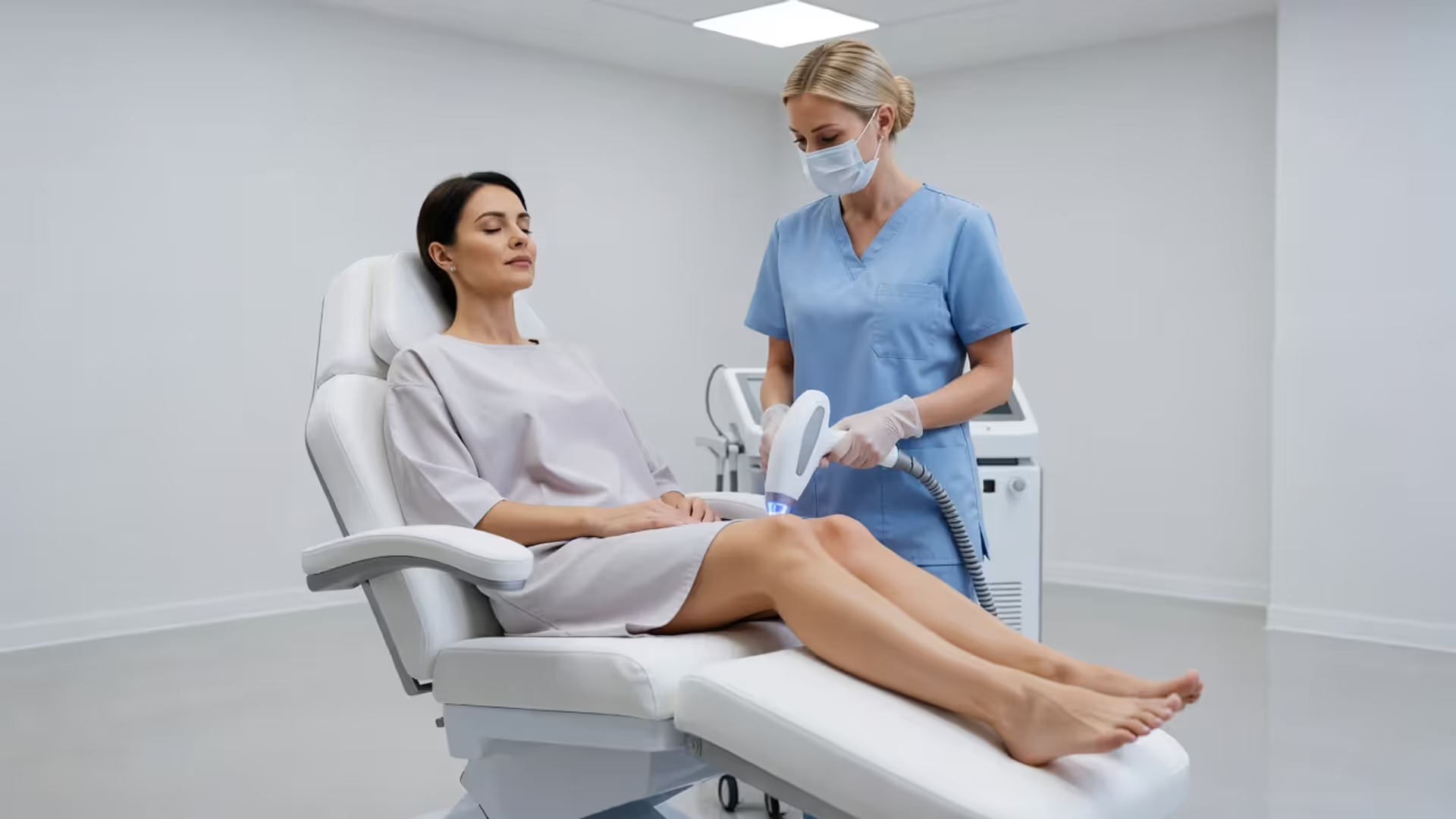
Laser hair removal treatment being performed safely on dark skin in a professional clinic
Laser Hair Removal for Dark Skin

If you have dark skin and you've been researching laser hair removal, the information out there can feel contradictory. Some sources wave red flags. Others treat it as completely routine. The honest answer is that both perspectives contain some truth — and which one applies to you depends almost entirely on the equipment being used and the expertise of the person operating it. Dark skin tones can be treated safely and with genuinely good results. What changes is the level of precision required and how much the choice of provider actually matters.
Why Skin Tone Matters in Laser Hair Removal
At its core, laser hair removal is a targeting exercise. The device sends a focused beam of light energy into the skin, which gets drawn toward melanin — the pigment responsible for color in both hair and skin. When that energy reaches the follicle, it converts to heat, which disrupts the follicle's ability to produce new hair growth.
That process sounds straightforward, but there's a catch that becomes especially significant for people with deeper complexions.
How Melanin Affects Laser Energy Absorption
The technology doesn't distinguish between the melanin sitting in your hair follicle and the melanin distributed throughout your skin tissue. It simply responds to pigment wherever it exists. On fair skin, the follicle is substantially darker than the surrounding skin, giving the laser a clear, high-contrast target. The energy flows toward the follicle with relatively little interference from the skin itself.
On darker complexions, that contrast narrows considerably. The skin contains far more melanin, which means it competes with the follicle for the laser's energy. When the surrounding tissue absorbs too much of that energy, the result is heat building up in the wrong location — and heat in the wrong location causes burns, blistering, or lasting changes to skin pigmentation.
This is why treatment planning for laser hair removal must account for skin tone from the very start. Clinicians use the Fitzpatrick skin type scale — a classification system that ranges from Type I (very fair, always burns) through Type VI (deeply pigmented, never burns) — to determine which laser settings and device types are appropriate for each patient. The higher the Fitzpatrick classification, the more precisely the treatment must be tailored.
Risks of Using the Wrong Laser on Dark Skin
Choosing an incompatible laser for dark skin doesn't just reduce effectiveness — it can cause real, sometimes permanent harm. Hyperpigmentation, where treated areas darken due to inflammation, is the most frequently reported complication. Hypopigmentation — patches of skin that lose pigment and appear lighter than the surrounding area — is less common but harder to reverse. Burns and scarring are also documented outcomes when the wrong device is used without appropriate adjustments.
These aren't theoretical worst-case scenarios. They occur in practice when clinics apply equipment calibrated for lighter skin tones to patients with Fitzpatrick Type V or VI skin, either because that's the only device available or because the provider lacks the specialized knowledge to recognize the mismatch.
Author: Julian Crestwell;
Source: juneoils.com
Which Laser Works on Dark Skin
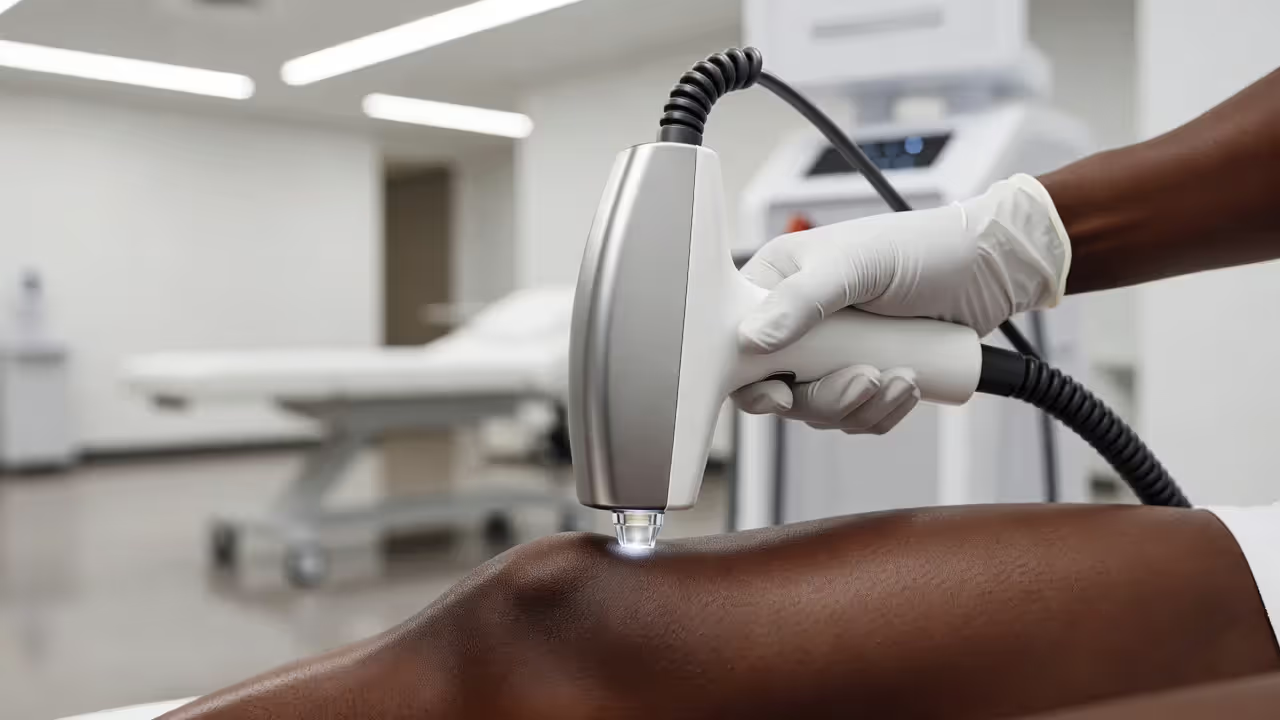
Wavelength is the defining variable. Longer wavelengths penetrate deeper into skin tissue before the energy begins to scatter, which means they can bypass the melanin concentrated in the upper skin layers and deliver energy more directly to the follicle below. For anyone with a deeper skin tone, this distinction isn't a minor technical detail — it's the difference between a safe treatment and a damaging one.
Nd:YAG Laser — The Strongest Case for Darker Skin Tones
Operating at 1064 nm, the Nd:YAG represents the longest wavelength available in clinical hair removal, and that depth of penetration is precisely what makes it the most suitable option for dark skin. Because the beam travels deeper before interacting with tissue, it largely bypasses epidermal melanin and concentrates its energy at the follicle level rather than in the surrounding skin.
Clinical research consistently supports this. Studies examining outcomes in Fitzpatrick Type IV through VI patients show that Nd:YAG treatments produce meaningful hair reduction with a substantially lower rate of adverse events compared to shorter-wavelength alternatives. There is a trade-off: on lighter skin tones, alexandrite lasers tend to achieve higher rates of permanent follicle destruction. But for patients with darker complexions, accepting slightly more sessions in exchange for a dramatically reduced risk of burns or pigmentation damage is the clinically sound approach.
Diode Laser and Its Suitability for Darker Tones
Diode lasers typically operate in the 800–810 nm range, placing them between the Nd:YAG and alexandrite in terms of wavelength and skin depth. For patients classified as Fitzpatrick Type IV, a properly configured diode laser can perform well. Some of the newer diode platforms — particularly those equipped with advanced contact cooling systems — have been used successfully on Type V skin under careful protocols.
The phrase "properly configured" carries significant weight here. Lower energy fluence, extended pulse durations, and consistent cooling are all essential when using a diode laser on medium-dark to dark skin. Without those adjustments, the risk profile shifts upward quickly. For patients at the deeper end of the Fitzpatrick scale, particularly Type VI, the Nd:YAG remains the more defensible choice regardless of how advanced the diode system is.
Lasers to Avoid on Dark Skin Tones
Alexandrite lasers, which operate at 755 nm, are highly effective on lighter skin but carry a significant burn risk for anyone above Fitzpatrick Type III. The wavelength is short enough that the epidermis absorbs a large share of the energy before it reaches the follicle, making it poorly suited for melanin-rich skin.
IPL — Intense Pulsed Light — is not a laser at all. It emits a broad, unfocused spectrum of light wavelengths simultaneously, which makes precise follicle targeting essentially impossible on darker skin. The energy scatters across multiple tissue layers, dramatically increasing the risk of surface damage. Ruby lasers, with an even shorter wavelength of 694 nm, are rarely used in modern practice and should be considered entirely off the table for dark skin tones.
The table below summarizes how these options compare across the factors that matter most for dark skin treatment:
| Laser Type | Wavelength | Safe for Dark Skin (IV–VI) | Risk of Burns | Common Use |
| Nd:YAG | 1064 nm | Yes | Low | All body areas, dark skin tones |
| Diode | 800–810 nm | Conditionally (IV–V) | Moderate | Legs, arms, face on medium-dark skin |
| Alexandrite | 755 nm | No | High | Light to medium skin tones only |
| IPL | 500–1200 nm | No | Very High | Light skin only |
| Ruby | 694 nm | No | Very High | Rarely used; light skin only |
Author: Julian Crestwell;
Source: juneoils.com
Is Laser Hair Removal Safe for Dark Skin
The straightforward answer is yes — provided the treatment uses appropriate technology and the provider has genuine experience with darker complexions. That condition isn't a disclaimer added to soften the answer. It's the actual determining factor.
Over the past decade, the landscape for laser hair removal on black skin and other deep skin tones has changed substantially. Nd:YAG platforms have become more refined, integrated cooling systems have improved significantly, and a growing number of board-certified dermatologists now focus specifically on skin of color as a clinical specialty. Fitzpatrick Type V and VI patients are no longer an afterthought in laser hair removal — they're a recognized patient population with specific protocols developed around their needs.
The danger doesn't come from the procedure category itself. It comes from providers who lack the training to recognize when their equipment is inappropriate for a given patient, or who apply the same settings they'd use on lighter skin without adjustment. A practitioner who treats dark skin regularly will approach the consultation, the test patch, and the session parameters very differently than someone whose experience is primarily with lighter complexions.
On the subject of test patches: any reputable provider should perform a small trial treatment on an inconspicuous area before proceeding with a full session. This gives both the patient and the clinician concrete information about how that specific skin responds to that specific device at those specific settings — before committing to treating a larger surface area.
Does Laser Hair Removal Lighten or Darken Skin
This question comes up constantly, and the answer requires separating what the treatment is designed to do from what can go wrong when it doesn't go as planned.
Laser hair removal has no intentional effect on skin color. The goal is follicle disruption, not pigment alteration. However, two types of unintended pigmentation changes can occur, and people with darker skin tones have a higher baseline risk for both.
Post-inflammatory hyperpigmentation (PIH) is the more common of the two. It manifests as darkened patches in the treated zone, typically triggered by the skin's inflammatory response to heat. The patches aren't permanent in most cases — they tend to fade over several weeks to a few months — but they can persist longer if the underlying cause isn't addressed. PIH is more likely when laser energy settings are too aggressive, when the skin is freshly tanned, or when post-treatment sun exposure occurs before the skin has fully recovered.
Hypopigmentation works in the opposite direction: the treated area loses pigment and appears lighter than the surrounding skin. This happens when laser energy damages melanocytes — the specialized cells responsible for producing pigment. Unlike PIH, hypopigmentation can be permanent, which is why it's considered the more serious complication. It typically results from excessive energy delivery and is most often associated with the use of short-wavelength lasers on dark skin.
To directly address the question of whether laser hair removal lightens skin: not by design, but incorrectly performed treatments can leave lighter patches. Reducing that risk comes down to correct laser selection, conservative energy settings, and strict avoidance of UV exposure in the weeks surrounding each treatment session. Tanned skin contains elevated levels of active melanin, which significantly increases the likelihood of surface tissue absorbing energy that should be reaching the follicle.

Author: Julian Crestwell;
Source: juneoils.com
How to Prepare for Laser Hair Removal on Dark Skin
Preparation has a direct and measurable impact on both the safety of your treatment and the quality of your results. Skipping steps here isn't just inconvenient — it can affect how your skin responds and how much recovery you need afterward.
Choosing a Qualified Provider With Experience in Dark Skin
Provider selection is the single variable that matters most. Not every clinic offering laser hair removal has meaningful experience with Fitzpatrick Type V or VI skin, and the difference in outcomes between an experienced and inexperienced provider in this area is significant.
During consultations, ask specific questions: Which laser do you use for patients with my skin tone, and why? How many clients with similar complexions have you treated? What does your protocol look like for managing hyperpigmentation risk? A provider who knows what they're doing will answer these questions with specificity and confidence. One who deflects, gives vague reassurances, or pivots to talking about their equipment brand rather than their clinical approach is worth reconsidering. Request to see documented outcomes from patients with comparable skin tones — not just generic before-and-after galleries.
Board-certified dermatologists who explicitly list skin of color as a focus area are a strong starting point. If you're in an area with limited options, a telehealth consultation with a specialist can help you evaluate providers before you commit to a clinic.
Pre-Treatment Skin Care Tips
In the four to six weeks before your first appointment, minimize direct sun exposure and avoid tanning entirely — including spray tans and UV beds. Elevated melanin from a tan raises your burn risk and can interfere with how the laser calibrates to your skin.
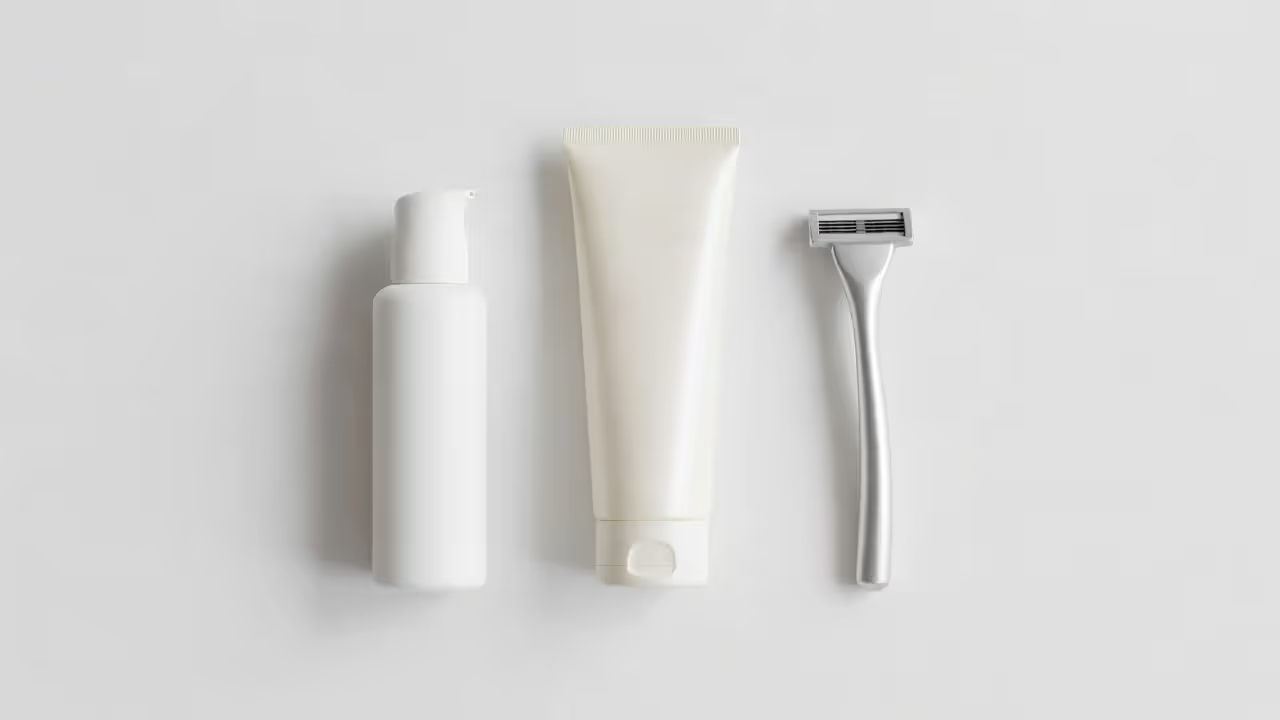
Discontinue any retinoids, alpha hydroxy acids, or skin-brightening treatments at least one week prior to your session, or according to whatever timeline your provider specifies. These products increase skin sensitivity and can affect how the surface responds to laser energy. Shave the area being treated approximately 24 hours before your appointment — this is necessary for the laser to reach the follicle effectively — but do not wax, thread, or use depilatory creams, as those methods remove the follicle itself, which is what the laser needs to target. On the day of treatment, arrive with clean, product-free skin.
Author: Julian Crestwell;
Source: juneoils.com
What to Expect During and After Treatment
A realistic timeline for meaningful hair reduction on dark skin typically involves six to ten sessions. Because Nd:YAG lasers, while significantly safer for deeper skin tones, operate with somewhat less follicle-disrupting intensity than alexandrite lasers do on lighter skin, additional sessions are sometimes needed to achieve comparable reduction percentages. Treatment intervals generally run four to eight weeks, timed to correspond with the active growth phase of the hair cycle in each specific body area.
During the actual session, most patients describe the sensation as a sharp, repetitive snap against the skin — similar to the flick of a rubber band but more concentrated. Nd:YAG treatments are frequently reported as more intense in sensation than diode or alexandrite procedures. Modern devices address this through built-in contact cooling systems that chill the skin surface immediately before and after each pulse. For patients with lower pain tolerance, a topical anesthetic applied under occlusion 30 to 45 minutes before the appointment can meaningfully reduce discomfort.
Immediately after treatment, some degree of redness and localized swelling is expected and normal. This typically resolves within one to two days. For the 48 hours following each session, avoid anything that raises skin temperature — hot showers, steam rooms, vigorous exercise. Keep the treated area moisturized, apply a broad-spectrum sunscreen of SPF 30 or higher daily without exception, and resist the urge to scratch or exfoliate if the skin feels irritated.
Results accumulate gradually across sessions rather than appearing all at once. After the second or third treatment, most patients notice that regrowth is slower and the hairs that do return are finer in texture. By the fifth or sixth session, the majority of patients with dark skin see somewhere between 60 and 80 percent reduction. Reaching the full extent of your results requires completing the recommended course of treatment — there's no shortcut through that timeline.
When I'm treating patients with deeper skin tones, the Nd:YAG is the device I reach for every time. At the right fluence and pulse duration, it gives us real, lasting hair reduction without the burn risk and depigmentation complications we see when shorter-wavelength systems are used inappropriately. What I want patients to understand is that the laser itself is only part of the equation — the clinical judgment behind the settings is what actually determines the outcome.
— Downie Jeanine
FAQ: Laser Hair Removal for Dark Skin Questions Answered
Two factors determine whether laser hair removal on dark skin goes well or badly: the wavelength of the device being used and the depth of experience the provider brings to treating melanin-rich skin. The Nd:YAG laser has the clinical evidence and the physical properties to make it the most reliable choice for deeper complexions. A practitioner who regularly treats Fitzpatrick Type V and VI patients brings the judgment to use it correctly. Invest the time in finding both before your first appointment — the outcome difference is significant enough to be worth it.
Related Stories
Read more
Read more

The content on this website is provided for general informational and educational purposes only. It is intended to explain concepts related to cosmetology, hair care, skincare, aesthetic treatments, and beauty procedures.
All information on this website, including articles, guides, and examples, is presented for general educational purposes. Results may vary depending on individual skin type, hair type, or treatment protocols.
This website does not provide professional medical, dermatological, or cosmetic services, and the information presented should not be used as a substitute for consultation with licensed aestheticians, dermatologists, or medical professionals.
The website and its authors are not responsible for any errors or omissions, or for any outcomes resulting from decisions made based on the information provided on this website.