
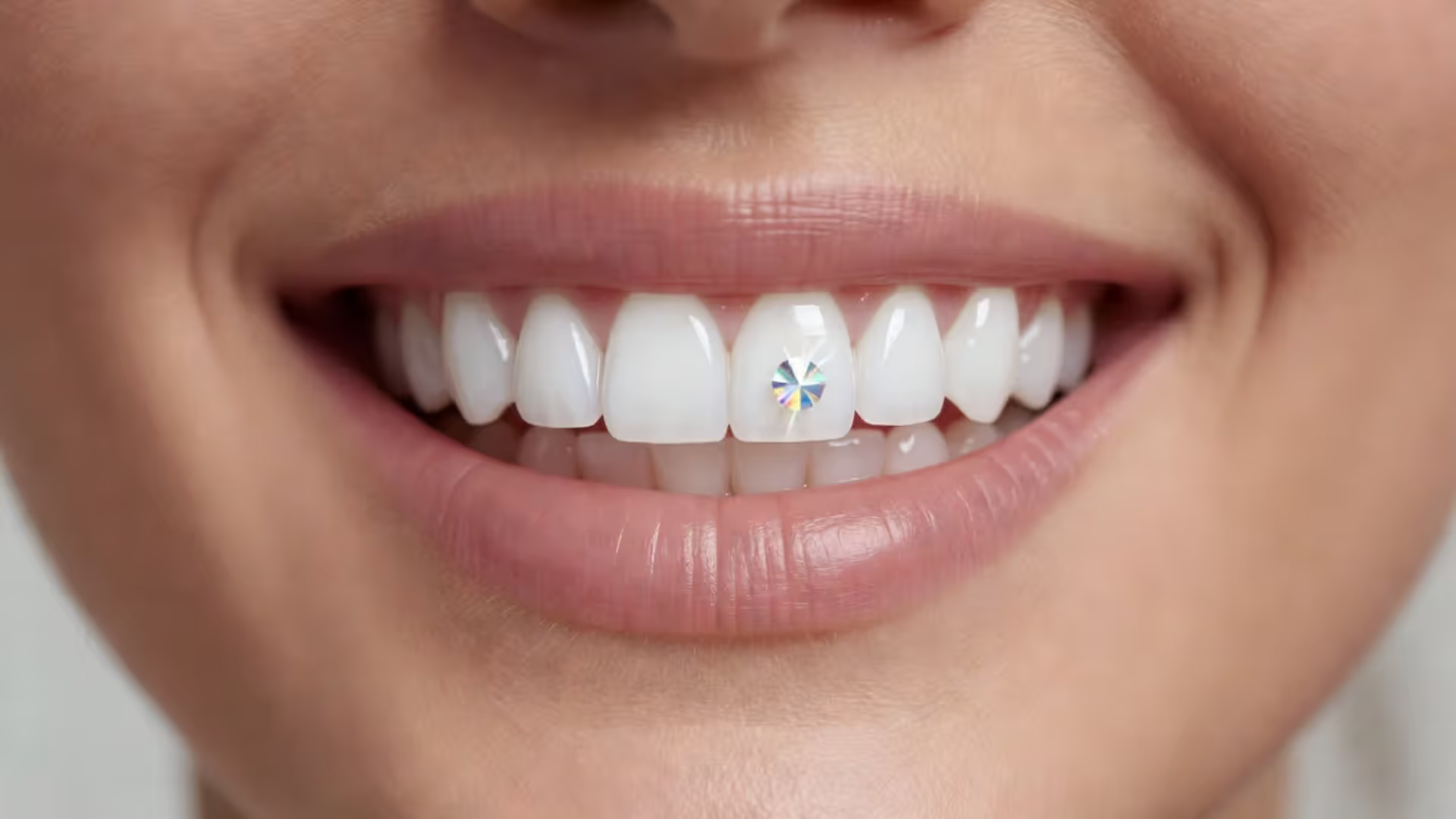
What Are Tooth Gems and How Do They Work
What Are Tooth Gems and How Do They Work?

Tooth gems are small decorative pieces — crystals, gems, or metal shapes — bonded directly to the surface of a tooth. They've been around in various forms since the 1990s, but the trend has surged again in recent years, driven by celebrity culture and social media. If you've seen someone flashing a tiny sparkle near their smile and wondered what's going on, you're not alone.
The appeal is obvious. It's a low-commitment way to personalize your smile without drilling, filing, or permanent alteration. But there are real questions worth asking before you book an appointment or order a DIY kit online. How safe are they? How long do they actually last? And what does the process even look like?
This guide covers everything you need to know — from gem types and application to aftercare and honest tradeoffs.
Types of Tooth Gems Available
So, what are tooth gems, exactly? They're tiny ornamental pieces attached to the outer surface of a tooth using a dental-grade adhesive. No drilling involved. The gem sits on top of the enamel, not embedded in it.
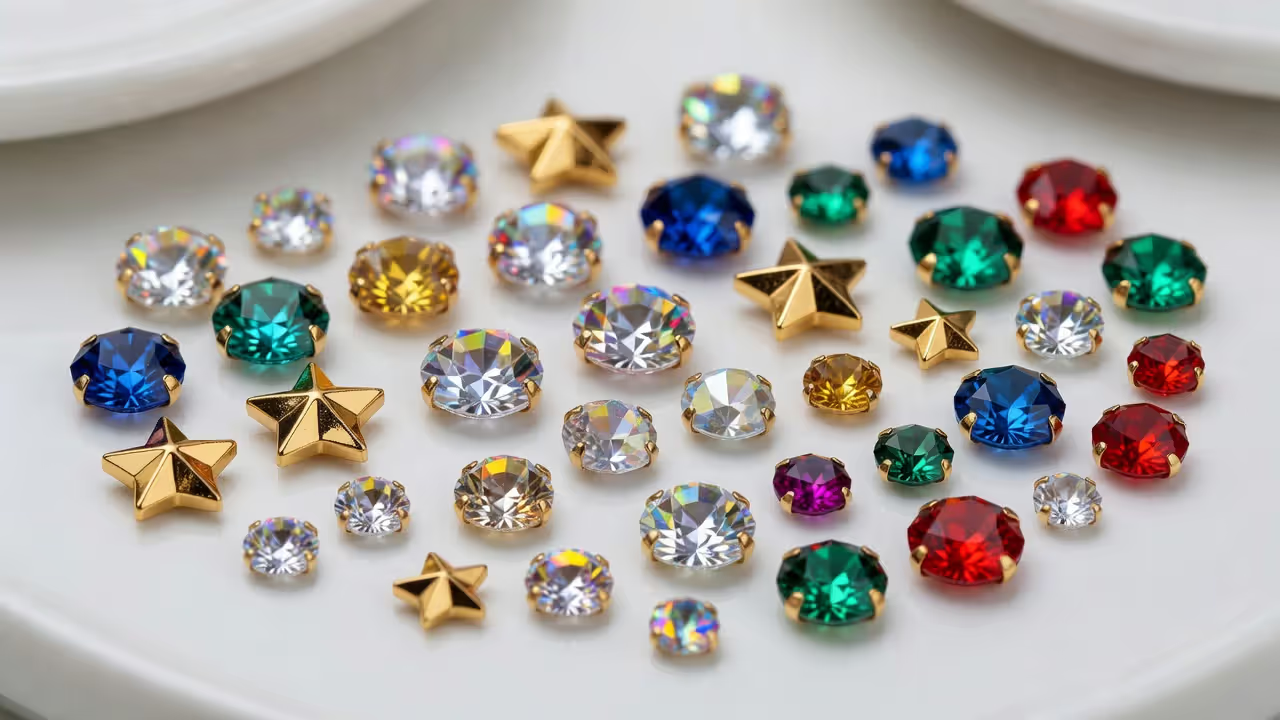
There are three main varieties you'll encounter:
Crystal gems are the most common. Think Swarovski-style flat-backed rhinestones in clear, pink, blue, or iridescent finishes. They're affordable, widely available, and work well for first-timers.
Gold and metal gems include small gold stars, hearts, or custom shapes. Some are solid 14k or 18k gold; others are gold-plated. These tend to cost more but look more refined and last longer than crystal options in many cases.
Gemstone gems — actual semi-precious stones like opal, turquoise, or cubic zirconia — sit at the premium end. They're less common but popular among people who want something truly unique.
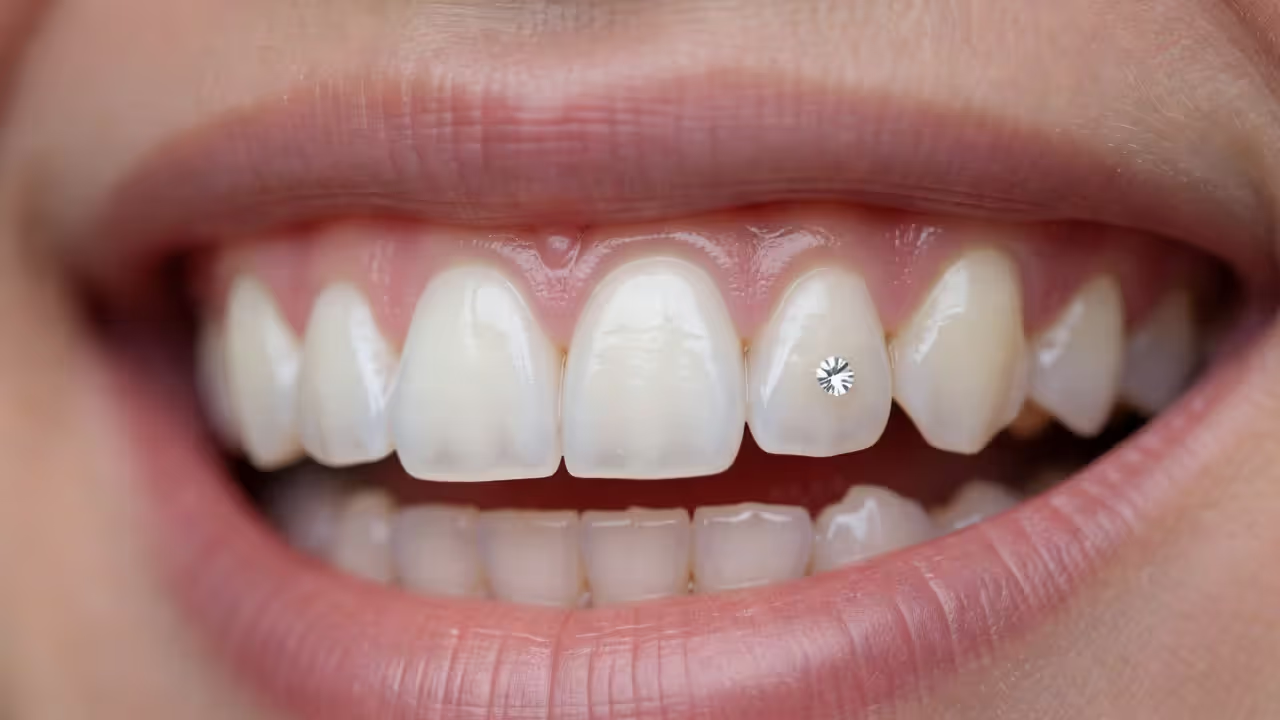
Placement matters too. Most people opt for a front tooth — typically the upper central incisors — because that's where the gem is most visible. Some go for a canine or a lower incisor. Placement on a molar or premolar is less common but does happen for a more subtle look.
Author: Marissa Penrose;
Source: juneoils.com
The Tooth Gem Application Process Step by Step
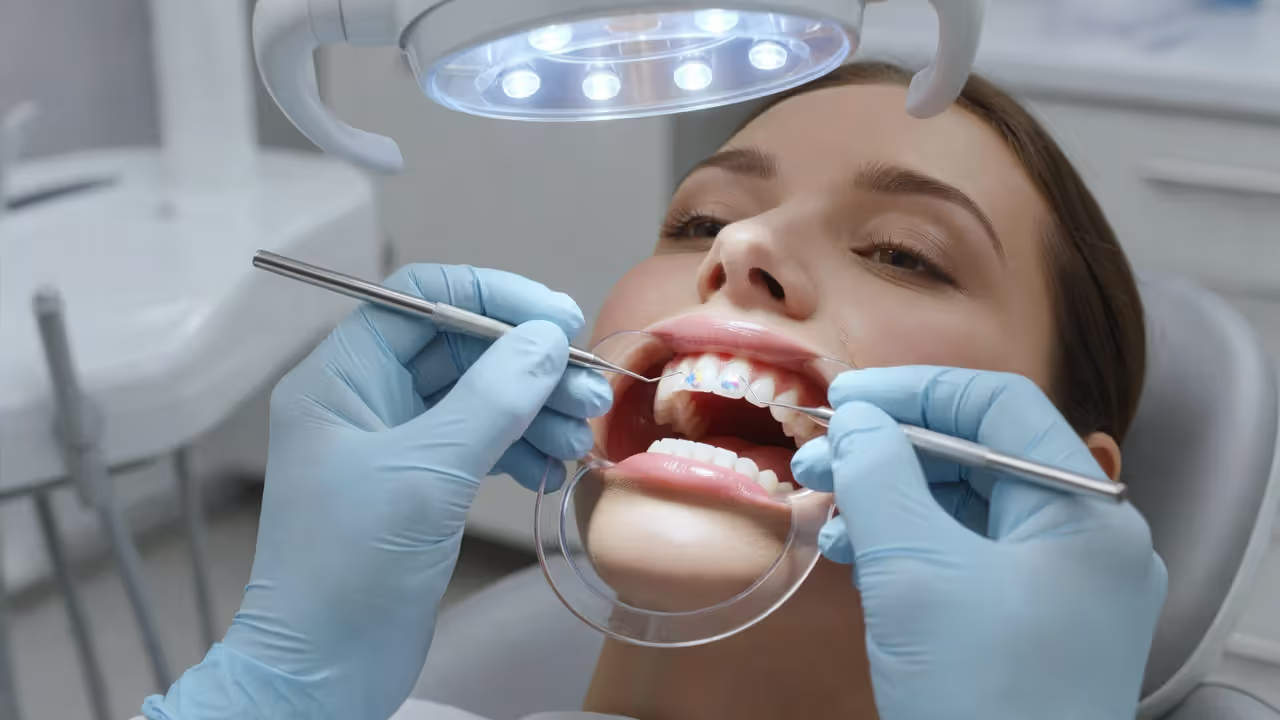
The actual process is simpler than most people expect. No needles, no anesthesia, no drilling. A professional appointment typically takes 20 to 45 minutes from start to finish.
Here's what happens: the technician or dentist cleans and dries the target tooth thoroughly. Then they apply an etching gel — the same kind used in standard cosmetic dental work — to create a slightly rough surface on the enamel. This helps the adhesive bond properly. After rinsing and drying again, they apply a small amount of dental bonding adhesive to the gem and press it onto the tooth surface. A UV or LED curing light hardens the adhesive in seconds. That's it.
Professional Application vs. DIY Kits
Professional application is done by a licensed dentist or a trained cosmetic technician. The adhesive is dental-grade, the tools are sterile, and the placement is precise. You also get a follow-up option if the gem shifts or falls off early.
DIY kits are a different story. They're sold online for $10–$30 and typically include a gem, a small tube of adhesive, and a UV light. The problem? Most DIY adhesives are not dental-grade. Some kits use nail glue or craft adhesive — substances that were never designed to sit against enamel or gum tissue for weeks. The pattern I see most often is people using DIY kits, having the gem fall off within days, and then reapplying incorrectly, which increases the risk of enamel damage.
The simpler option usually wins here: go professional.
How Long the Procedure Takes
A professional appointment runs 20 to 45 minutes. Most of that time is prep — cleaning, etching, and drying. The actual bonding step takes under five minutes. DIY application at home can technically be done in 10–15 minutes, but rushing the drying and curing steps is a common mistake that leads to early detachment.
Author: Marissa Penrose;
Source: juneoils.com
Are Tooth Gems Safe for Your Teeth
This is the question most people really want answered. The short version: when applied correctly by a professional using dental-grade materials, tooth gems are generally considered low-risk. But "low-risk" isn't the same as "risk-free."
The main concerns are:
Enamel etching. The etching process creates micro-abrasions on the tooth surface to help the adhesive grip. This is reversible in most cases, but repeated etching in the same spot — from multiple applications or removals — can weaken enamel over time.
Adhesive safety. Dental-grade composite adhesives are tested and approved for oral use. Non-dental adhesives from DIY kits are not. Some contain chemicals that can irritate gum tissue or cause sensitivity.
Hygiene risks. A gem creates a small ledge on the tooth surface. Plaque and bacteria can accumulate around the edges if you're not cleaning carefully. This can increase the risk of cavities near the gem site.
Who should avoid them. People with active cavities, gum disease, enamel erosion, or orthodontic appliances should skip tooth gems until those issues are resolved. Braces and gems don't mix well — the gem can interfere with bracket placement and make cleaning nearly impossible.
Cosmetic dental accessories like tooth gems can be safe when applied with proper dental materials, but patients should be aware that anything bonded to enamel carries some risk if not applied or removed correctly. Always consult a dental professional before proceeding.— Messina John
The biggest safety mistake people make is removing a gem themselves. Prying it off with a fingernail or a tool can chip the enamel underneath. Always have a professional remove it.
How Long Do Tooth Gems Last
How long do tooth gems last? It depends on the gem type, the adhesive used, and how well you care for them.
On average:
- Crystal gems: 6 months to 1 year with professional application
- Gold or metal gems: 1 to 2 years, sometimes longer
- Gemstone gems: Varies widely — 6 months to 2 years depending on stone weight and adhesive quality
DIY kits? Realistically, 1 to 4 weeks. Some fall off within days.
Several factors affect durability. Biting into hard foods (think ice, hard candy, crusty bread) puts mechanical stress on the gem and can dislodge it. Teeth grinding — bruxism — is particularly rough on gems and will shorten their lifespan significantly. Acidic drinks like soda and citrus juice can weaken the adhesive bond over time.
Author: Marissa Penrose;
Source: juneoils.com
You'll know it's time for a replacement when the gem looks cloudy, feels loose, or develops a visible gap at its edge. Don't wait for it to fall off on its own — a loose gem can become a choking hazard or scratch adjacent tissue.
Pros and Cons of Tooth Gems
Before committing, it helps to see the tradeoffs laid out clearly.
| Dimension | Pro | Con |
|---|---|---|
| Aesthetics | Adds a personalized, eye-catching detail to your smile | May look dated or unprofessional in certain settings |
| Cost | Relatively affordable ($50–$200 professionally applied) | Ongoing cost if you replace or reapply frequently |
| Enamel impact | Non-invasive; no drilling required | Etching process can weaken enamel with repeated applications |
| Durability | Gold gems can last 1–2 years | Crystal gems may only last 6–12 months; DIY options far less |
| Reversibility | Fully removable by a professional | DIY removal risks chipping or scratching enamel |
| Maintenance effort | Minimal if you maintain good oral hygiene | Requires extra care around gem edges to prevent plaque buildup |
The table makes it clear: most of the downsides are manageable if you go professional and commit to proper aftercare. The risks scale up significantly with DIY kits and self-removal.
Caring for Tooth Gems After Application
Good news: caring for tooth gems doesn't require a complicated new routine. But it does require consistency.
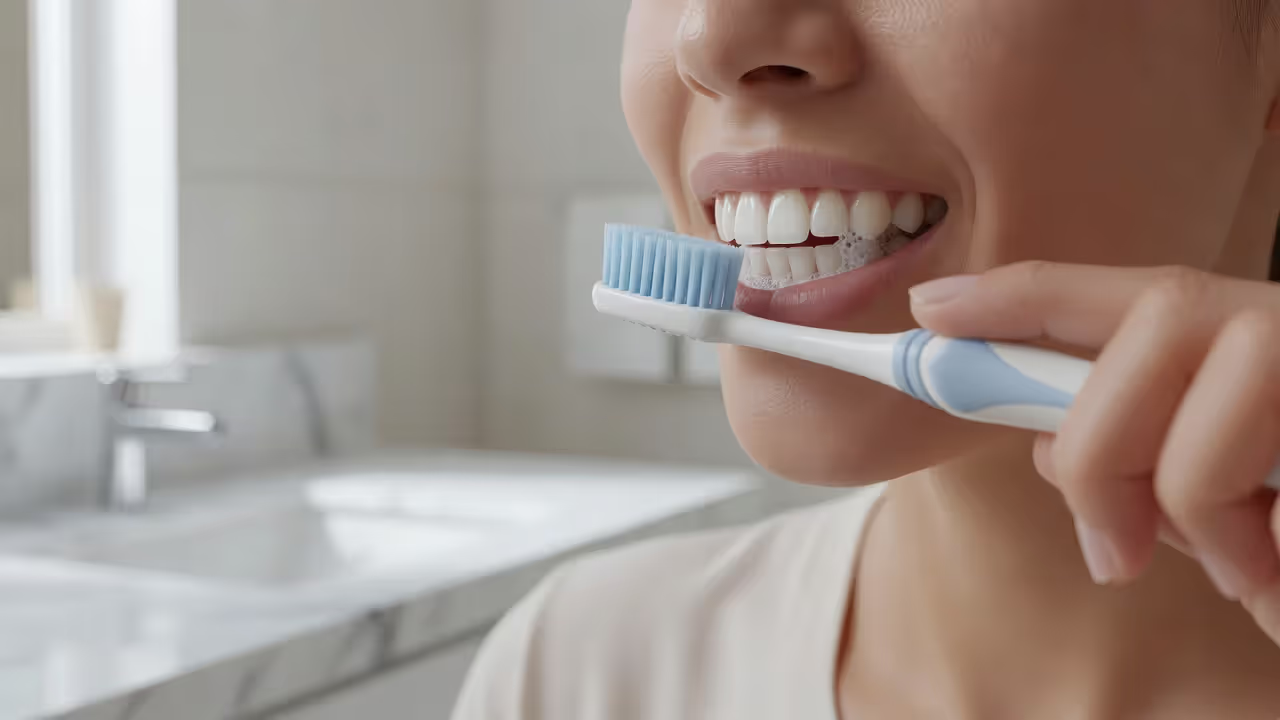
Daily cleaning. Brush gently around the gem — don't scrub directly over it with heavy pressure. A soft-bristled toothbrush works best. Floss normally, but be careful not to snag the gem with the floss thread. Water flossers are a great option for cleaning around the gem's edges without mechanical stress.
Foods and drinks to avoid. Skip hard, crunchy foods for at least 48 hours after application while the adhesive fully cures. Long-term, reduce your intake of hard candies, ice, and very chewy foods. Limit acidic drinks like soda, sports drinks, and citrus juices — they can gradually break down the adhesive bond.
Spotting early detachment. Run your tongue over the gem regularly. If it feels raised on one side, slightly wobbly, or different than usual, that's your cue to call your dentist or technician. Early intervention is much better than waiting for it to fall off mid-meal.
A common mistake: people assume that because the gem looks fine, everything is fine. But adhesive can weaken from the inside out, especially with acidic exposure. Visual checks aren't always enough — tactile checks with your tongue catch problems earlier.
Author: Marissa Penrose;
Source: juneoils.com
FAQ: Tooth Gem Questions Answered
Tooth gems sit in an interesting space — they're genuinely low-commitment compared to most cosmetic dental work, but they're not entirely without risk. The difference between a safe, lasting result and a frustrating experience almost always comes down to two things: professional application and consistent aftercare. If you're curious about trying one, start with a single crystal gem from a licensed provider, take care of it properly, and see how it fits your lifestyle before going bigger.
Related Stories

Read more

Read more


The content on this website is provided for general informational and educational purposes only. It is intended to explain concepts related to cosmetology, hair care, skincare, aesthetic treatments, and beauty procedures.
All information on this website, including articles, guides, and examples, is presented for general educational purposes. Results may vary depending on individual skin type, hair type, or treatment protocols.
This website does not provide professional medical, dermatological, or cosmetic services, and the information presented should not be used as a substitute for consultation with licensed aestheticians, dermatologists, or medical professionals.
The website and its authors are not responsible for any errors or omissions, or for any outcomes resulting from decisions made based on the information provided on this website.