
What You Should Know About Scalp Pigmentation Before You Commit
What You Should Know About Scalp Pigmentation?

Deciding to do something permanent to your scalp isn't a small call. And yet thousands of people across the US commit to scalp pigmentation every year without fully understanding what they're signing up for. Some walk away thrilled. Others end up Googling "how do I fix this." This guide is for anyone who wants to go in with eyes open — before the needle touches skin.
What Is Scalp Micropigmentation and How Does It Work
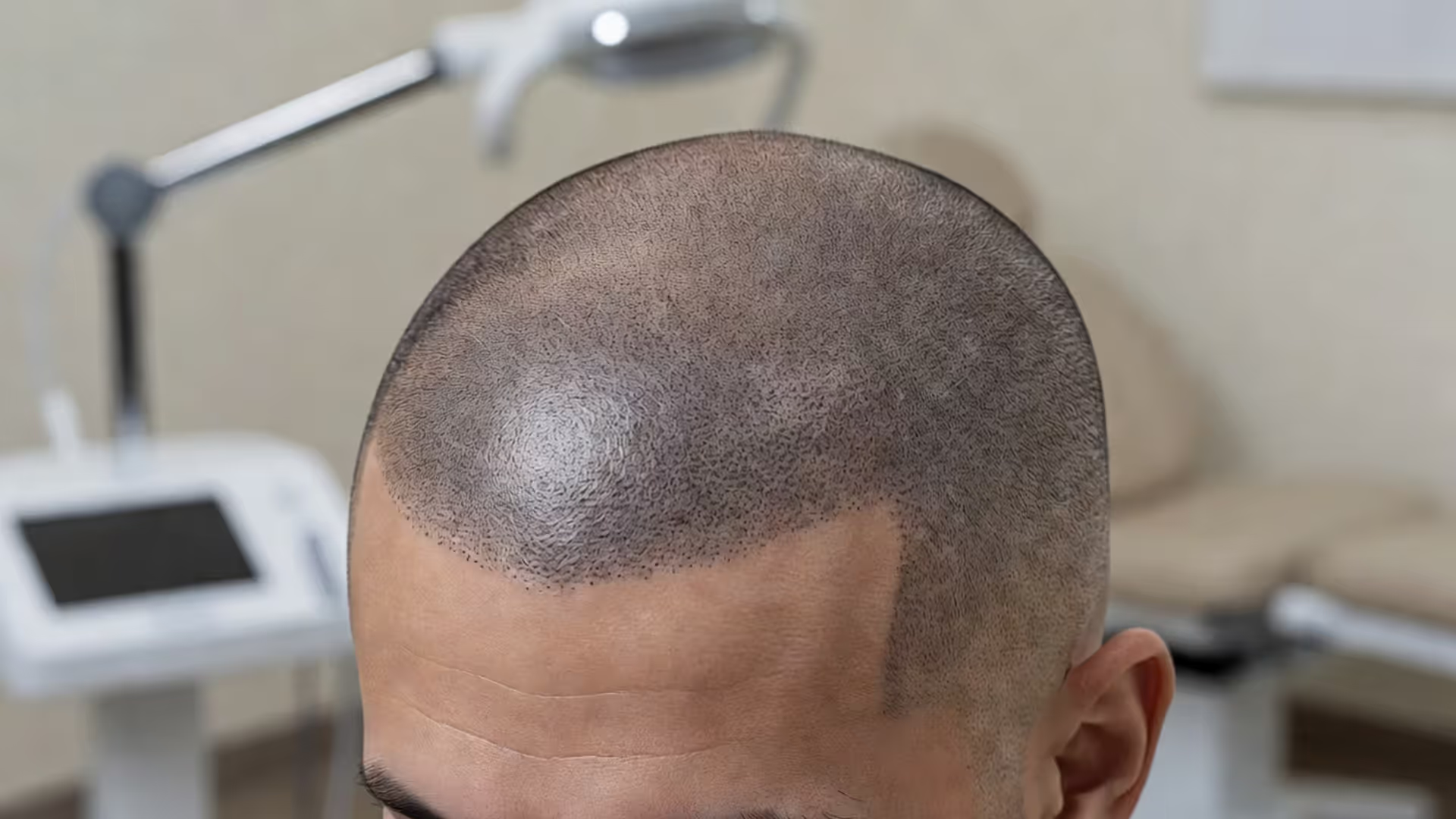
Scalp micropigmentation is a non-surgical cosmetic procedure that uses specialized equipment to deposit pigment into the upper dermis of the scalp. The result mimics the appearance of hair follicles — tiny dots that, from a normal viewing distance, look like a freshly shaved head or a denser hairline. It's used to treat pattern baldness, alopecia, thinning hair, and even scalp scarring from hair transplants.
It's not a hair loss cure. It doesn't grow hair. What it does is create the visual impression of hair, and when done well, that impression is convincing enough that most people won't question it.
How the Pigment Is Applied to the Scalp
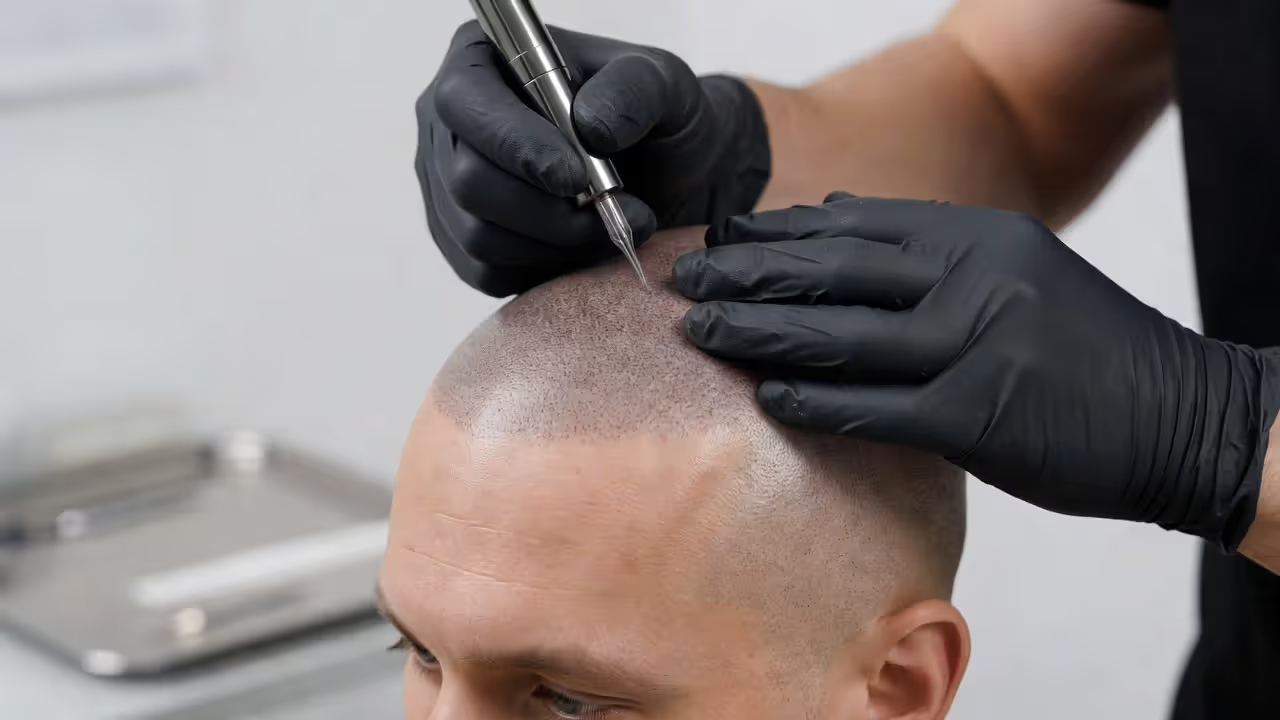
A trained technician uses a fine needle — typically a single-use, micro-gauge needle — to place pigment deposits just below the skin's surface. The depth matters enormously. Too shallow and the pigment migrates or fades fast. Too deep and it spreads, creating blurry dots that look nothing like follicles.
Sessions are usually split across two to four appointments, spaced a few weeks apart. The first session lays the base layer. Subsequent sessions build density and refine the hairline. Most people need at least two sessions to reach a finished result — three is common for more advanced hair loss stages.
Who Is a Good Candidate for This Procedure
Almost anyone experiencing hair loss can explore this option, but the best candidates are people with stable hair loss (not actively progressing), realistic expectations, and a commitment to maintaining a shaved or very short head look. If you're hoping to keep long hair and just add density, SMP is less effective — the dots become visible when hair grows past a certain length.
People with certain skin conditions like active psoriasis or seborrheic dermatitis on the scalp may need to address those first. And anyone prone to keloid scarring should consult a dermatologist before proceeding.
Author: Marissa Penrose;
Source: juneoils.com
Does Scalp Micropigmentation Look Natural
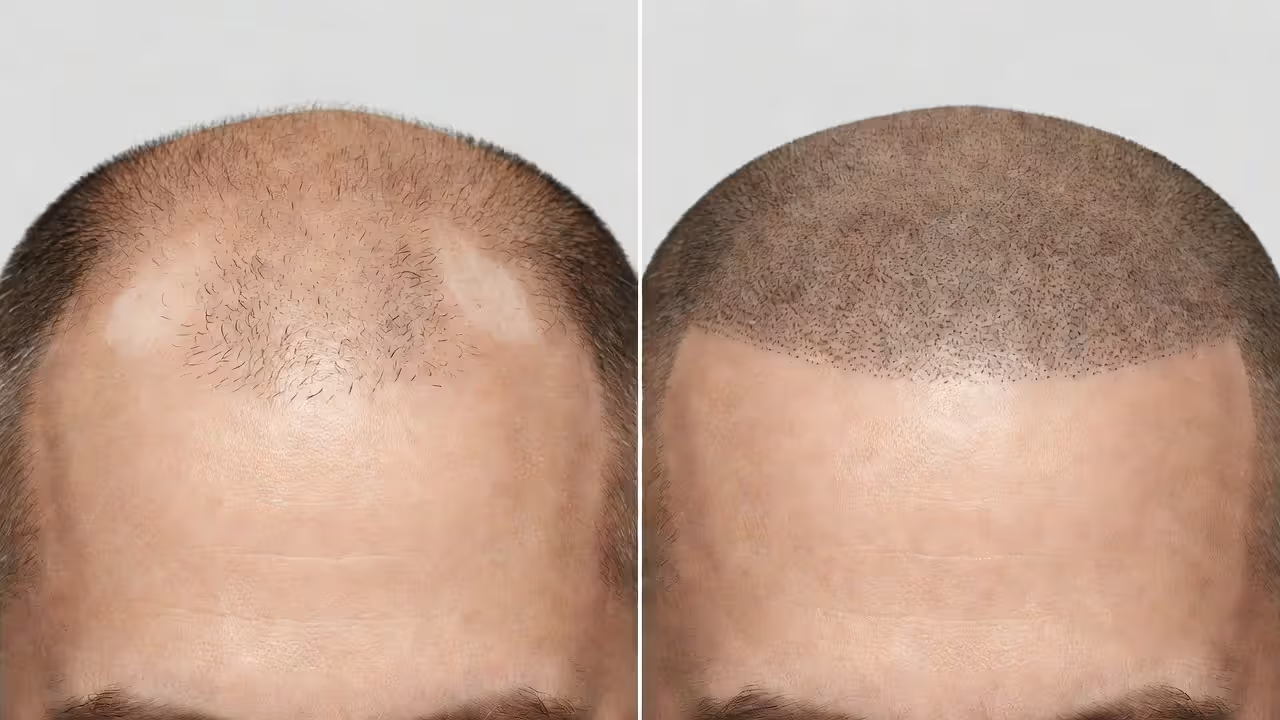
The honest answer: it depends on who does it and how well you maintain it. A well-executed procedure on the right skin tone with the correct pigment shade can be genuinely indistinguishable from a shaved head. A poorly executed one looks exactly like what it is — dots tattooed on a bald scalp.
Factors That Affect the Realistic Appearance of Results
Hairline design is probably the single biggest factor. A natural hairline isn't a straight line — it has micro-irregularities, slight recession at the temples, and a soft edge. Technicians who draw geometric or overly symmetrical hairlines produce results that look artificial immediately.
Pigment color matters just as much. The shade needs to match your existing hair color and account for how it will fade over time. A pigment that starts as a perfect match can shift bluish or greenish after a few years if the wrong ink formula was used — a common complaint in botched cases.
Skin tone plays a role too. SMP tends to look most seamless on medium to darker skin tones where contrast between pigment and scalp is naturally lower. On very fair skin, the dots can appear more visible if spacing or sizing is off.
How Technician Skill Influences the Final Look
This is where the procedure either succeeds or fails. There's no universal licensing standard for SMP in the US — regulation varies by state, and some practitioners operate under tattoo artist licenses while others work under esthetics or cosmetology permits. That gap in oversight means the market includes both exceptional artists and people who completed a weekend course.
The pattern I see most often is clients who chose a provider based on price rather than portfolio. Always ask to see healed results — not fresh ones. Fresh work always looks sharper than it will after it settles.
Author: Marissa Penrose;
Source: juneoils.com
Scalp Micropigmentation Pros and Cons
No procedure is right for everyone. Here's a clear breakdown of what you're gaining and what you're giving up.
| Category | Pro | Con |
| Appearance Realism | Highly realistic when done by a skilled technician | Can look artificial with poor hairline design or wrong pigment |
| Upfront Cost | One-time investment vs. ongoing hair loss treatments | $1,500–$4,000+ depending on coverage area and provider |
| Maintenance Frequency | Low day-to-day upkeep | Touch-ups needed every 3–5 years as pigment fades |
| Pain Level | Generally mild to moderate; numbing cream available | Sensitive scalp areas (temples, crown) can be uncomfortable |
| Longevity | Results last 4–6 years before significant fading | Fading is inevitable; sun exposure accelerates it |
| Reversibility | Laser removal is possible | Removal is expensive, slow, and may not fully clear the pigment |
The simpler option usually wins here for people who've already accepted their hair loss and want a low-maintenance solution. SMP fits that profile well. It doesn't fit someone hoping for a temporary fix they can easily undo.
How Long Does Scalp Micropigmentation Last and What Affects Fading
Most providers quote a range of four to six years before a meaningful touch-up is needed. That's realistic for someone who takes care of their scalp — but it's not guaranteed.
Several things accelerate fading. UV exposure is the biggest one. The scalp gets direct sun, and without SPF protection, pigment breaks down faster. People who spend a lot of time outdoors without head coverage typically see noticeable fading within two to three years.
Skin type matters too. Oily skin tends to push pigment out more aggressively over time. People with naturally oily scalps may find their results fade faster than average and need touch-ups closer to the three-year mark.
Aftercare in the first two weeks post-procedure also affects long-term retention. Sweating heavily, swimming in chlorinated pools, or exposing the scalp to sun during the healing period can pull pigment before it fully sets. Most technicians will give you a strict aftercare list — follow it.
Touch-up sessions are typically less expensive than the original procedure, usually running $200–$600 depending on how much area needs refreshing.
Author: Marissa Penrose;
Source: juneoils.com
Botched Scalp Micropigmentation — What Goes Wrong and How to Spot It
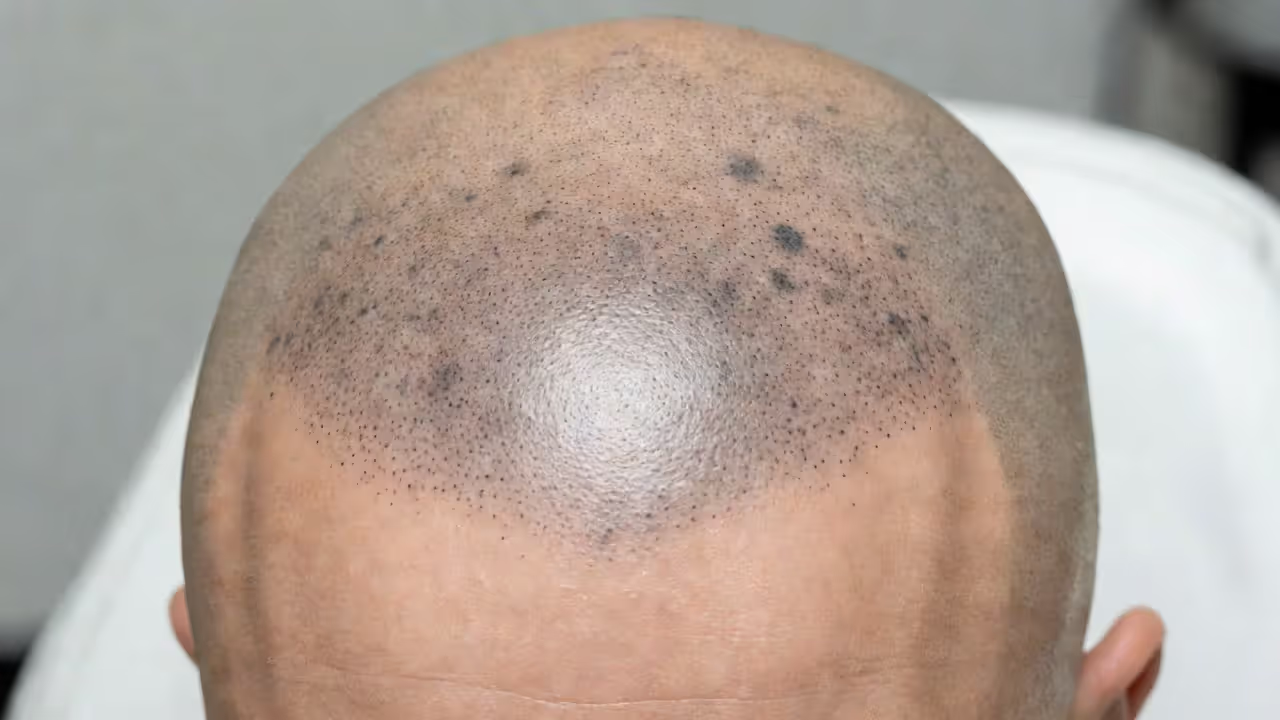
Bad SMP outcomes are more common than the industry likes to admit. The lack of standardized training and licensing means quality varies wildly, and some clients don't realize there's a problem until the work has fully healed — weeks after they've paid.
Common Signs of a Poor Procedure
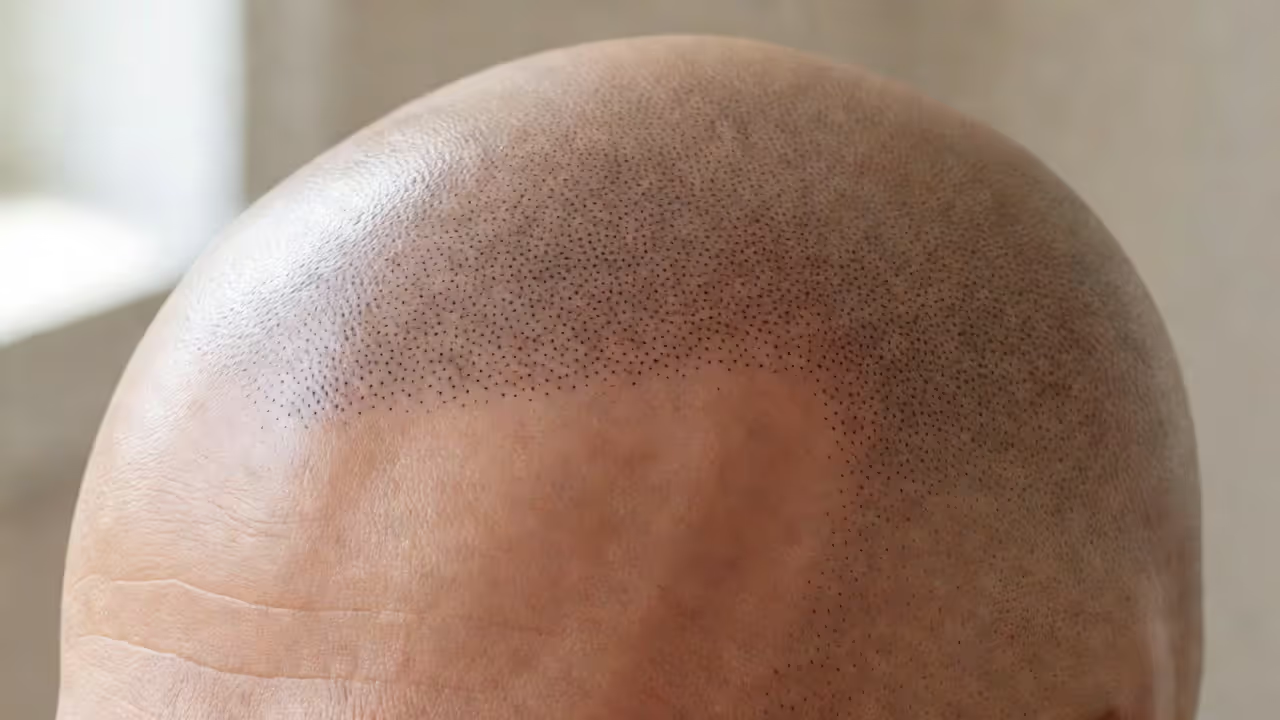
The most obvious red flag is dot size. Natural follicles are tiny — roughly 1mm in diameter. If the dots on your scalp are larger than that, they'll look like a pattern of dark spots rather than stubble. This happens when a technician uses the wrong needle gauge or goes too deep.
Color shift is another giveaway. Pigment that heals blue, green, or purple indicates the wrong ink formula was used. Some tattoo inks — especially those not formulated specifically for SMP — change color as they age in the skin.
A hairline that looks drawn-on, too low, too straight, or perfectly symmetrical is a clear sign of poor design judgment. Real hairlines have texture. They recede slightly at the temples. They don't look like a ruler was used.
Uneven density — patches that look darker in some spots and almost empty in others — suggests inconsistent needle depth or spacing during application.
When done correctly, scalp micropigmentation replicates the look of a closely shaved head with remarkable precision — but the key word is correctly.
— Traquina Paul
What Your Options Are If Results Go Wrong
You have a few paths. First, a correction session with a more skilled technician can sometimes improve color and density issues. This works best when the original work isn't too far off — think refinement, not rescue.
For more severe cases, laser removal is the most effective option. Q-switched lasers, similar to those used for tattoo removal, can break down the pigment over multiple sessions. Expect six to twelve sessions for significant clearing, at $200–$500 per session. It's not cheap, and results aren't always complete — some pigment may remain permanently.
Some clinics now specialize specifically in SMP correction and removal. If you're dealing with botched scalp micropigmentation, seek out a provider with documented before/after correction cases, not just general SMP experience.
Author: Marissa Penrose;
Source: juneoils.com
Cost Breakdown and What to Look for When Choosing a Provider
Pricing for scalp pigmentation in the US typically falls into three tiers. Budget providers charge $800–$1,500 — and while that's not automatically a red flag, it often correlates with less experienced technicians or lower-quality pigments. Mid-range clinics run $1,500–$3,000 for full scalp coverage. Premium specialists in major cities can charge $3,500–$5,000 or more.
What you're paying for at the higher end: years of documented experience, proprietary pigment formulas designed specifically for scalp work, and a proper consultation process that includes hairline design review before any needle touches your skin.
When vetting a provider, ask these specific questions:
- Can I see healed results from clients with a similar skin tone and hair loss stage?
- What pigment brand and formula do you use, and is it specifically formulated for SMP?
- What happens if I'm not satisfied — do you offer correction sessions?
- Are you licensed in this state for this type of procedure, and under which license category?
Don't skip the consultation. Any provider who's willing to start immediately without a design discussion and a review of your expectations is a provider worth walking away from.
FAQ: Scalp Pigmentation Questions Answered
Scalp pigmentation is a legitimate, effective solution for hair loss when it's done right — and a frustrating, expensive problem when it's not. The difference almost always comes down to provider selection. Take your time, review healed portfolios, ask hard questions, and don't let a lower price tag make the decision for you. The procedure itself is sound. The execution is everything.
Related Stories

Read more
Read more



The content on this website is provided for general informational and educational purposes only. It is intended to explain concepts related to cosmetology, hair care, skincare, aesthetic treatments, and beauty procedures.
All information on this website, including articles, guides, and examples, is presented for general educational purposes. Results may vary depending on individual skin type, hair type, or treatment protocols.
This website does not provide professional medical, dermatological, or cosmetic services, and the information presented should not be used as a substitute for consultation with licensed aestheticians, dermatologists, or medical professionals.
The website and its authors are not responsible for any errors or omissions, or for any outcomes resulting from decisions made based on the information provided on this website.